Typical MOQ per SKU: 5k pcs; tiered pricing from 20k+.NDA & compliance support available.

Polar Hair Dye Shampoo : Guide to Temporary Hair Dye Solution

Everything You Need to Know About Polar Hair Dye Shampoo for Salon-Quality Color at Home

Hair color products are changing.

Many people want faster and easier ways to cover gray hair or refresh faded color.

They may not want a salon visit every few weeks.

They may also want to avoid the strong smell and longer process of traditional permanent dye.

Polar Hair Dye Shampoo is one example of this trend.

It combines shampoo-style application with temporary hair color.

It is often used for gray blending, root touch-up, and at-home color refresh.

This guide explains how it works, what results to expect, how to use it safely, and what buyers should know before choosing this type of product.

As a private label shampoo manufacturer, Xiangxiang Daily supports shampoo, conditioner, hair mask, hair oil, scalp care, hair styling, and hair color product development for global buyers.


What Is Polar Hair Dye Shampoo?

Polar Hair Dye Shampoo is a temporary hair color shampoo.

It is designed to deposit color while you wash your hair.

This type of product is also called a color depositing shampoo or hair color shampoo.

It is different from a normal daily shampoo.

It contains color ingredients that help tint the hair surface.

It is also different from permanent dye.

Permanent dye usually uses a developer and an oxidative process.

A temporary color shampoo is easier to use, but the result is not as long-lasting.

Most users choose this product type for:

  • Gray blending.
  • Root touch-up.
  • Color refresh.
  • Fast at-home use.
  • A softer alternative to permanent dye.
  • Temporary color maintenance between salon visits.

The key point is simple.

This product can help refresh color, but it should not be expected to perform exactly like salon permanent hair dye.


How This Temporary Hair Dye Shampoo Works

A color shampoo works by leaving pigment on the hair surface.

The color effect depends on the formula, hair condition, shade, and contact time.

Porous hair may absorb more color.

Very dark hair may show a weaker result.

Gray hair may need repeated use for better blending.

The process is usually simple:

  1. Wet the hair.
  2. Apply the product evenly.
  3. Massage it through the hair.
  4. Leave it on for the suggested time.
  5. Rinse well.
  6. Use conditioner if needed.

Some users see color after one use.

Some need more than one application.

This is normal for temporary and semi-temporary color products.

Results are usually easier to see on gray, light brown, or lightened hair.

They may be less visible on very dark hair.


Polar Hair Dye Shampoo vs Permanent Hair Dye

The main difference is strength and duration.

Permanent dye is stronger.

It can change the hair color more deeply and last longer.

A hair dye shampoo is easier, faster, and less complex.

But the result fades sooner.

FeatureTemporary Hair Color ShampooPermanent Hair Dye
ApplicationShampoo-style useSeparate dye and developer process
TimeUsually fasterUsually longer
Color resultGradual or temporaryStronger and longer lasting
Gray coverageBetter for blending or touch-upBetter for full coverage
Fade patternFades with washingGrows out and fades more slowly
User fitAt-home maintenanceMajor color change or full dye result

If you want a major color change, permanent dye may be more suitable.

If you want a fast refresh or gray blending, a temporary color shampoo may be enough.


Who Should Try a Hair Dye Shampoo?

This product type can fit people who want simple color maintenance.

It may be useful for:

  • People with early gray hair.
  • People who want to blend gray roots.
  • Users who want a quick color refresh.
  • Busy users who do not want a long dye process.
  • Men who want simple gray blending.
  • People maintaining dark brown or black hair color.
  • Users who want a temporary result before committing to stronger dye.

It may not be the best choice for everyone.

It may not fully cover resistant gray hair.

It may not show well on very dark natural hair.

It may also stain porous or lightened hair more strongly than expected.


Who Should Be Careful?

Any hair dye product can cause irritation for some users.

This includes temporary color products.

Be careful if you have:

  • A sensitive scalp.
  • A history of hair dye allergy.
  • Recent scalp irritation.
  • Broken or scratched scalp skin.
  • Very damaged or over-processed hair.
  • Bleached hair with high porosity.
  • Past reactions to dark hair dyes.

Do a patch test before using a new hair color product.

The FDA recommends doing a patch test every time before dyeing hair.

It also advises users to check the ingredient statement for ingredients that may have caused problems before, such as PPD.

You can review the FDA hair dye safety page here: FDA hair dyes guidance.

AAD also advises testing store-bought hair color before using it.

If you get redness, swelling, burning, itching, or a rash, do not continue using the dye.

You can review AAD’s hair coloring tips here: AAD coloring and perming tips.


Key Ingredients to Check

Ingredient lists vary by product.

But most color shampoos include four main parts.

1. Color Ingredients

These ingredients give the product its tint.

They may include direct dyes, oxidative dye ingredients, or other colorants depending on the formula.

Users should always read the label.

This is especially important if they have had past reactions to hair dye.

2. Cleansing Agents

The shampoo base helps spread the product through the hair.

It also helps rinse oil and residue.

A gentler cleansing system can help reduce a dry after-feel.

3. Conditioning Ingredients

Conditioning agents help improve softness and combing.

They can also help reduce roughness after coloring.

Common directions include panthenol, amino acids, oils, silicones, or cationic conditioners.

4. pH Adjusters and Stabilizers

The formula needs to stay stable during storage.

pH can affect product feel, color behavior, and hair smoothness.

For brands, stability is a key part of product development.


Benefits of Using a Temporary Color Shampoo

This product format has several advantages.

It is popular because it feels simple.

  • Convenience: It can combine cleansing and color refresh in one step.
  • Fast use: Many users like the shorter application time.
  • Gray blending: It can help soften the contrast between gray and natural hair.
  • At-home routine: Users can refresh color without a salon visit.
  • Gradual effect: Some users prefer color that builds over repeated use.
  • Lower commitment: The result is not as permanent as full dye.

For many users, the main benefit is control.

They can use the product when gray roots become visible.

They can also stop using it if they do not like the result.


Possible Drawbacks

A hair color shampoo is not perfect.

Users should know the limits before buying.

  • Temporary result: Color fades with washing.
  • Uneven coverage: Porous or damaged hair may absorb color unevenly.
  • Staining risk: Pigment may stain hands, nails, towels, pillowcases, or shower surfaces.
  • Limited lift: It does not lighten dark hair.
  • Gray resistance: Some gray hair may not hold pigment well.
  • Allergy risk: Some users may react to dye ingredients.
  • Shade mismatch: The final color may look different from the package image.

This is why expectations matter.

A temporary hair dye shampoo is best for refresh and blending.

It is not always the right choice for dramatic color change.


How to Use Polar Hair Dye Shampoo Safely

Always follow the product label first.

Different products may have different instructions.

A general routine may look like this:

  1. Read the full label.
  2. Do a patch test before first use.
  3. Wear gloves.
  4. Protect clothing and towels.
  5. Wet the hair fully.
  6. Apply the product evenly.
  7. Start with gray roots or target areas.
  8. Massage through the lengths.
  9. Leave on for the suggested time.
  10. Rinse until the water runs clear.
  11. Use conditioner if the hair feels dry.

Do not leave the product on longer than directed.

Do not use it on irritated scalp skin.

Do not use it on eyebrows or eyelashes unless the product is specifically allowed for that use.

If irritation happens, rinse immediately and stop using it.


How to Get Better Results

Results depend on preparation and hair condition.

These tips can help:

  • Use gloves every time.
  • Apply evenly from roots to ends.
  • Focus on gray roots first.
  • Use a wide-tooth comb for even spread.
  • Rinse well to reduce staining.
  • Use dark towels after coloring.
  • Use conditioner to improve softness.
  • Avoid heavy styling products before application.

If hair has mineral buildup, color may apply unevenly.

A gentle reset wash may help before color use.

For more detail, read our guide on clarifying shampoo.


How Long Does the Color Last?

The result is temporary.

It usually fades with washing.

How long it lasts depends on several factors.

FactorEffect on Color
Hair porosityPorous hair may hold more pigment but can fade unevenly
Base colorGray and light hair may show stronger results
Wash frequencyMore washing usually means faster fading
Shampoo typeStrong cleansing products may remove color faster
Contact timeLonger contact may give deeper color, within label directions
Condition of hairDamaged hair may absorb unevenly

For color maintenance, users often choose gentle shampoo and conditioner on non-color days.

For product planning, buyers can compare our hair mask manufacturer category to build a color care set.


How to Choose the Right Shade

Shade choice is important.

The wrong shade can look too dark, too warm, or uneven.

Use these simple rules:

  • Choose black for black or very dark hair.
  • Choose dark brown for softer gray blending.
  • Choose brown shades if black looks too strong.
  • Do not expect a light color to show on dark hair.
  • Do not expect this product to bleach or lighten hair.
  • Test a small hidden section first.

For men with short hair, shade choice may be easier.

For long hair, uneven application is more likely.

For bleached or highlighted hair, testing is especially important.


Can It Cover Gray Hair?

It can help blend gray hair.

But full gray coverage is not guaranteed for every user.

Gray hair can be resistant.

Some gray strands do not take color easily.

Repeated use may improve the visible result.

Still, users should expect a softer blend rather than salon-level permanent coverage.

This is a key point for product content and advertising.

Brands should avoid overpromising.

Clear claim language builds trust.


Can It Stain Skin or Towels?

Yes, staining can happen.

This is common with many color-depositing products.

To reduce staining:

  • Wear gloves.
  • Apply carefully around the hairline.
  • Use petroleum jelly near the hairline if suitable.
  • Rinse until the water runs clear.
  • Use dark towels after application.
  • Clean the shower area quickly.

If the product stains the skin, wash it off gently.

Do not scrub too hard.

Strong scrubbing can irritate the skin.


Private Label Product Ideas for B2B Buyers

Temporary hair color shampoo is also useful for brand planning.

It can fit beauty brands, men’s care brands, salon suppliers, online sellers, and distributors.

Product ideas include:

  • Black hair color shampoo for gray blending.
  • Dark brown color shampoo for softer natural results.
  • Men’s gray blending shampoo.
  • Color refresh shampoo for salon clients.
  • Root touch-up shampoo for at-home use.
  • Color shampoo and conditioner set.
  • Color care mask for post-color softness.
  • Travel-size color shampoo for trial packs.

For brands, this type of product needs very clear instructions.

It should explain who the product is for.

It should also explain what the product cannot do.

This reduces complaints and improves user trust.

For broader hair care planning, buyers can review our private label hair care manufacturer category.


Formula and Packaging Points for Brands

A hair dye shampoo needs more careful planning than a normal shampoo.

Color products can stain.

They also need stronger instructions and quality checks.

Buyers should think about:

  • Shade range.
  • Target hair color.
  • Gray blending claim.
  • Staining control.
  • Glove inclusion.
  • Instruction leaflet.
  • Warning statements.
  • Patch test wording.
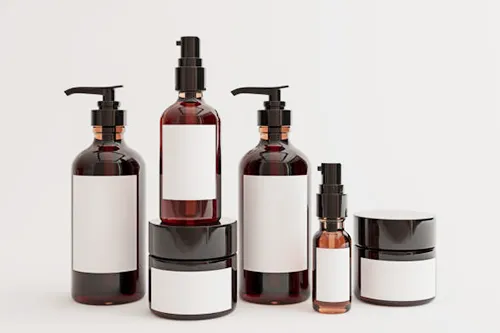
  • Bottle and pump choice.
  • Carton and label design.

Packaging should make the shade easy to identify.

Instructions should be simple and visible.

For online sales, before-and-after education can help customers understand realistic results.


Quality Checks Before Bulk Production

Quality control is very important for this category.

A small shade difference can create complaints.

Before bulk production, buyers should check:

  • Color deposit result.
  • Gray blending effect.
  • Shade consistency.
  • Foam and spreadability.
  • Rinse-off feel.
  • Hair softness after use.
  • Scalp feel.
  • Staining on skin and towels.
  • Viscosity and flow.
  • Packaging leakage.
  • Label and warning text.
  • Hot and cold stability.
  • Batch consistency.

For factory-side quality planning, buyers can review Xiangxiang Daily’s cosmetic quality control page.

For larger orders, our cosmetics manufacturing support can help with production, filling, packing, inspection, and export preparation.


Common Mistakes to Avoid

Many complaints happen because users expect the wrong result.

Common mistakes include:

  • Expecting permanent color from a temporary product.
  • Skipping the patch test.
  • Using the wrong shade.
  • Applying unevenly.
  • Leaving the product on too long.
  • Using it on irritated scalp skin.
  • Using white towels after application.
  • Expecting it to lighten dark hair.

For brands, clear education is part of product quality.

A good formula still needs good instructions.


Conclusion

Polar Hair Dye Shampoo is part of a growing temporary hair color trend.

It can be useful for gray blending, root touch-up, and color refresh.

It is easier to use than many traditional dye products.

But it is not the same as permanent salon color.

Results depend on hair condition, base color, shade, contact time, and wash frequency.

Users should do a patch test, follow the label, protect towels and clothing, and keep expectations realistic.

For B2B buyers, temporary hair dye shampoo can become a strong product direction for men’s grooming, salon maintenance, e-commerce, and private label hair care lines.

Xiangxiang Daily can help global buyers develop shampoo, conditioner, hair mask, hair oil, scalp care, hair styling, and hair color products.

For custom shampoo projects, start with our private label shampoo manufacturer service.


FAQ

Does Polar Hair Dye Shampoo work for gray hair?

It can help blend gray hair.

Some users may need repeated use for better results.

Very resistant gray hair may not get full coverage.

Is hair dye shampoo permanent?

No.

It is usually temporary or semi-temporary.

The color fades with washing.

Can it lighten dark hair?

No.

A color-depositing shampoo does not bleach or lighten hair.

It can only add or refresh color.

Can it stain skin?

Yes, staining can happen.

Wear gloves, apply carefully, and rinse well.

Should I apply it to wet or dry hair?

Most shampoo-style hair color products are used on wet hair.

Always follow the label directions for the exact product.

How often should I use it?

Use depends on the label, hair type, color goal, and fading speed.

Do not overuse if the hair or scalp feels dry or irritated.

Can men use hair dye shampoo?

Yes.

This format can be useful for short hair, gray blending, and simple grooming routines.

What should brands prepare before developing a private label version?

Prepare the target user, shade range, formula direction, packaging, warning text, patch test wording, sample standard, and order plan.

Can Xiangxiang Daily support private label hair dye shampoo?

Yes.

Xiangxiang Daily can support formula direction, packaging, samples, quality checks, and production planning for private label hair care projects.

Elevate Your Brand, Grow Your Sales

R&D support, stability testing, and compliance files aligned to your launch calendar—shortening time-to-market and accelerating revenue.

Table of Contents

Latest Blog Posts

Check out the latest industry trends and take inspiration from our updated blogs, giving you a fresh insight to help boost your business.

Submit Your Request