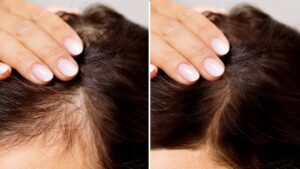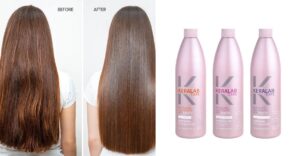

Sulfate-free shampoo is a strong product direction for hair care brands. Many consumers now want a gentler wash. They also want soft hair, scalp comfort, and formulas that do not leave the hair feeling dry.
For B2B buyers, this creates a clear opportunity. A brand can build a daily-use shampoo for salons, e-commerce stores, supermarkets, distributors, or wholesale channels. The key is to make the product gentle but still effective.
A good formula should clean the scalp, rinse well, and support naturally moisturized hair. It should also remain stable during storage and shipping. Working with a professional personal care manufacturer can help brands manage formula design, packaging, testing, and bulk production planning.
1) What Is Sulfate-Free Shampoo?
Sulfate-free shampoo is made without common sulfate cleansers such as SLS or SLES. These ingredients create strong foam, but some consumers feel they are too harsh for frequent use.
A sulfate-free formula uses milder cleansing agents. The goal is simple: clean the hair and scalp without a rough or stripped feeling. This makes it suitable for many product concepts, including dry hair care, color care, scalp health, anti-frizz care, and clean beauty lines.
It is important to understand one point. Removing sulfates does not automatically make a shampoo better. The full formula still needs good foam, a pleasant texture, a clean rinse, and stable performance.
2) Why Brands Are Developing This Product
This category has strong market awareness. Many shoppers already search for gentle shampoo, clean shampoo, and sulfate-free hair care. That makes the product easier to explain on packaging, online product pages, and sales materials.
In the Philippines, buyers often look for hair care that works in hot and humid weather. They may want a fresh scalp feel, light texture, and smoother hair after washing. A heavy formula may not be suitable for daily use in this market.
In Nigeria, the market need can be different. Many consumers focus on dry or damaged hair, textured hair, breakage control, and moisture retention. A gentle cleansing formula can become the first step in a full care routine.
For brands, shampoo is also a good entry product. Once it performs well, you can expand into conditioner, hair mask, scalp treatment, and hair oil. This helps create repeat purchase instead of relying on one single SKU.
3) Xiangxiang Daily OEM Support for Hair Care Brands
Xiangxiang Daily supports personal care and beauty brands with OEM/ODM development. For hair care projects, we can discuss formula direction, fragrance style, packaging type, sample adjustment, and production planning based on your target market.
As a professional Hair Care Manufacturer, Xiangxiang Daily supports shampoo, conditioner, hair mask, scalp care, hair oil, and styling products. For cleansing products, our Private Label Shampoo & Conditioner Manufacturer service can help brands build a practical product plan.
Project support may include:
- Formula direction for gentle cleansing.
- Custom formulation for dry, oily, colored, curly, or damaged hair.
- Scalp health positioning and ingredient planning.
- Fragrance selection for salon, tropical, herbal, or clean beauty concepts.
- Packaging options such as pump bottles, flip-top bottles, and travel sizes.
- Quality checks based on formula, packaging, and export needs.
Because each project is different, MOQ, lead time, documents, and testing should be confirmed according to the actual formula, packaging, and order plan.
4) Choose a Clear Product Position
A broad shampoo concept is hard to sell. Before sampling, your brand should define the main user and the main hair concern. This helps the supplier adjust texture, foam, fragrance, and claim direction.
Common product positions include:
- Moisturizing shampoo: For dry, rough, curly, or textured hair.
- Scalp health shampoo: For a fresh, clean, and comfortable scalp feel.
- Color-care shampoo: For dyed hair and salon aftercare.
- Anti-frizz shampoo: For humid markets and hard-to-manage hair.
- Repair shampoo: For dry or damaged hair with a smoother after-wash feel.
- Clean beauty shampoo: For brands focused on gentle, vegan, botanical, or silicone-free claims.
For the Philippines, a light anti-frizz or scalp-fresh formula can work well. For Nigeria, a moisturizing formula for textured or damaged hair may be a stronger direction.
5) Is This Shampoo Good for Color Treated Hair?
Color treated hair is one of the most common reasons consumers choose a gentle cleansing product. After dyeing, bleaching, or toning, the hair surface can become more fragile. A harsh wash may make the hair feel dry, rough, or dull faster.
For this reason, many salon brands use gentle shampoo as part of their color-care line. The goal is not to make a medical claim. The goal is to offer a mild wash experience that helps the hair feel smoother after cleansing.
When developing shampoo for color treated hair, brands should pay attention to three areas:
- Mild cleansing: The formula should remove oil and buildup without a stripped feel.
- Conditioning support: The shampoo should help improve softness and combing after rinsing.
- Fragrance balance: Salon-style scents can improve product value, but the scent should not feel too heavy.
This type of product can work well for salons, e-commerce stores, and retail hair care brands. It can also be paired with conditioner, hair mask, and leave-in care products for a full color-care routine.
6) Custom Formulation: What Matters Most?
A strong shampoo formula needs balance. If it is too mild, the hair may not feel clean. If it is too strong, the product may lose its gentle positioning.
Key formula points include:
- Cleansing system: Mild surfactants should remove oil and dirt without a stripped feel.
- Foam quality: Many consumers still expect soft and rich foam.
- Moisture support: Ingredients such as glycerin, panthenol, betaine, and aloe vera can help the hair feel naturally moisturized.
- Scalp comfort: Rosemary, tea tree, niacinamide, or botanical extracts can support a scalp health story when suitable.
- Hair feel: Conditioning agents can improve softness, combing, and smoothness.
- Fragrance: The scent should match the market and stay stable in the formula.
Brands should test the shampoo on the target hair type. A formula for oily scalp should feel light. A formula for dry or damaged hair may need a richer after-feel.
7) Formula Ideas for Different Hair Types
A strong shampoo line should not use the same formula story for every customer. Different markets and hair types need different product directions. This is especially important when your brand sells through distributors or online stores in several countries.
For oily scalp: The formula should feel fresh and easy to rinse. It should not leave a heavy coating on the scalp. A light herbal, mint, or citrus fragrance can support a clean product image.
For dry or damaged hair: The formula may need more moisture support. Panthenol, betaine, aloe vera, amino acids, and conditioning agents can help the hair feel softer after washing.
For curly or textured hair: The shampoo should focus on gentle cleansing and moisture retention. This direction can be useful for Nigeria and other markets where natural hair care is important.
For color treated hair: The formula should focus on mild cleansing, smoothness, and a salon-care story. This is useful for brands that want to build a premium shampoo line.
For humid markets: The product should not feel too rich. In markets such as the Philippines, many consumers prefer a fresh scalp feel and smooth hair without heaviness.
8) Packaging Options for Shampoo OEM Projects
Packaging affects cost, shelf image, and shipping safety. Since shampoo is a liquid product, the bottle and cap must be tested with the actual formula.
Common packaging choices include:
- Flip-top bottles: Good for retail and e-commerce.
- Pump bottles: Suitable for salons, family sizes, and premium lines.
- Travel bottles: Useful for sampling, hotels, gift sets, and online promotions.
- Value-size bottles: Suitable for distributors, wholesalers, and family-use products.
- Minimal packaging: Useful for clean beauty or modern salon brands.
For hot markets, packaging checks are very important. Brands should review leakage, label adhesion, bottle shape, carton strength, and fragrance stability. Our Warehousing and Logistics support can help brands plan export packing based on project needs.
9) Label Claims and Product Page Messaging
Good packaging is not only about bottle shape. The front label and product page must explain the product clearly. For B2B buyers, this matters because strong messaging helps distributors, retailers, and online sellers promote the product faster.
Useful claim directions include:
- Gentle daily cleansing.
- For dry and damaged hair.
- For color treated hair.
- Scalp health support.
- Helps hair feel naturally moisturized.
- Lightweight formula for humid weather.
- Suitable for salon and retail hair care lines.
Brands should avoid claims that sound too medical. Shampoo is a cosmetic product, so the language should stay clear and compliant. It is better to use phrases such as “helps hair feel softer” or “supports a fresh scalp feel” instead of strong treatment claims.
10) Quality Checks Before Bulk Production
A good lab sample is only the first step. The product also needs to perform well after filling, packing, storage, and shipping.
Important checks include:
- Stability: Check color, scent, viscosity, and separation.
- Packaging compatibility: Confirm that the bottle, cap, pump, and label work with the formula.
- Microbial control: The formula needs a suitable preservation system.
- Viscosity: The product should pour or pump smoothly.
- Batch consistency: Foam, color, scent, and texture should remain steady.
- Final inspection: Check filling volume, sealing, label position, and leakage risk.
You can also review our Quality Control process to understand how inspection supports stable OEM manufacturing.
11) What Brands Should Prepare First
A clear product brief helps the manufacturer work faster. It also reduces repeated sample changes. This is useful when your team needs to launch quickly or compare several product concepts.
Your brief should include:
- Target market, such as the Philippines, Nigeria, UAE, UK, or global e-commerce.
- Sales channel, such as salon, supermarket, distributor, Amazon, TikTok Shop, or wholesale.
- Main claim, such as moisturizing, scalp health, anti-frizz, repair, or color care.
- Target hair type, such as oily scalp, dry hair, curly hair, textured hair, or damaged hair.
- Preferred ingredients and ingredients to avoid.
- Benchmark product photos or samples.
- Bottle size, packaging style, and order quantity range.
- Target launch date and budget level.
If your idea is still early, an OEM & ODM Services partner can help turn it into a practical formula and packaging plan.
12) How to Choose a Shampoo Manufacturer
The right supplier should do more than fill bottles. A good partner should understand formula performance, packaging, quality control, and export communication.
When comparing suppliers, check these points:
- Formula experience: Ask about gentle shampoo, scalp care, repair care, and color-care projects.
- Custom formulation ability: The supplier should adjust foam, viscosity, fragrance, color, and after-wash feel.
- Packaging support: The team should review bottle type, pump function, label material, and carton strength.
- Quality control: Ask about stability checks, microbial control, filling inspection, and batch consistency.
- Clear communication: The supplier should explain MOQ, lead time, testing needs, and production schedule.
- Line extension: A stronger partner can help you expand into conditioner, hair mask, scalp treatment, and hair oil.
With Cosmetics Manufacturing support, brands can plan shampoo as part of a full hair care system.
13) Product Line Extension Ideas
After launching shampoo, brands can build a stronger routine around it. This helps increase repeat purchase and shelf value.
Useful extensions include:
- Shampoo & Conditioner Manufacturer support for matching conditioner development.
- OEM Hair Mask for weekly moisture or repair care.
- Private Label Scalp Treatment Products Manufacturer support for scalp serums and scalp scrubs.
- Private Label Hair Oil Manufacturer support for shine, nourishment, and frizz control.
This product system is useful for brands that want more than one SKU. It also helps distributors and retailers see a complete category plan.
Conclusion
Sulfate-free shampoo is a useful product direction for modern hair care brands. It can support gentle cleansing, scalp health, color care, frizz control, and moisture care.
The best product starts with a clear market plan. A formula for the Philippines may need a fresh and light feel. A formula for Nigeria may need stronger moisture support for dry or damaged hair.
If you are looking for a flexible Sulfate-Free Shampoo OEM partner, Xiangxiang Daily can help you discuss custom formulation, packaging selection, sampling, and production planning based on your brand needs.
FAQ — Sulfate-Free Shampoo OEM
Q1: Can I create sulfate-free shampoo under my own brand?
Yes. You can develop shampoo with your own brand name, formula direction, fragrance, packaging, and product claims.
Q2: Is this product suitable for the Philippines?
Yes. It can be positioned for humid weather, frequent washing, anti-frizz care, and a fresh scalp feel.
Q3: Is it suitable for Nigeria?
Yes. It can be positioned for dry hair, textured hair, moisture care, and breakage-prone hair.
Q4: Can the formula be customized?
Yes. Foam, viscosity, fragrance, color, cleansing strength, and after-wash feel can be adjusted during sampling.
Q5: Is it good for color treated hair?
Yes. A gentle formula can be positioned for color treated hair when the product focuses on mild cleansing, smoothness, and salon aftercare.
Q6: What packaging is commonly used?
Flip-top bottles, pump bottles, travel bottles, and value-size bottles are common choices. The best option depends on your sales channel and price level.