PDRN serum is becoming one of the most searched skincare ideas in the beauty market. It connects Korean beauty trends, skin barrier care, hydration, glow, and premium active ingredient positioning. For private label skincare brands, this makes it a strong product direction for serum, ampoule, and facial care lines.
The opportunity is not only about adding a trending ingredient. A successful product needs the right texture, supporting actives, packaging, claim wording, and target market story. Brand owners also need clear communication because PDRN skincare can sound too medical if the wording is not controlled.
For B2B buyers, this category can support premium facial care, salon retail, beauty clinic aftercare-inspired lines, e-commerce skincare sets, and K-beauty-style launches. Working with a professional personal care manufacturer can help brands turn the trend into a practical product plan.
1) Why PDRN Skincare Is Gaining Attention
PDRN stands for Polydeoxyribonucleotide. In cosmetic ingredient lists, related materials may also appear as Sodium DNA. The exact name depends on the raw material source and supplier documentation.
This ingredient became popular because many consumers now look for skincare that supports a hydrated, smooth, and healthy-looking complexion. The story also fits current demand for skin barrier support, glow care, and gentle anti-aging routines.
For private label brands, the appeal is clear. PDRN gives a product a premium image. It also works well with familiar ingredients such as hyaluronic acid, peptides, niacinamide, panthenol, cica, and ceramides.
This makes it easier to build a complete product range. A brand can develop a facial serum, face cream, facial mask, eye mask, and sunscreen routine around the same repair-inspired skincare story.
2) How Brands Should Position This Product
Before developing samples, brands should define the product position. This step affects formula texture, ingredient selection, packaging, claim wording, and retail price.
Barrier comfort: This direction is suitable for sensitive skin positioning. The formula can focus on hydration, comfort, and a stronger skin feel.
Glow and hydration: This angle works well for e-commerce and beauty retail. The product can target dull-looking skin, dryness, and uneven skin tone.
Peptide care: A PDRN pink peptide concept can support a premium anti-aging story. It can pair PDRN with peptides for firmness, smoothness, and skin texture improvement.
Post-treatment-inspired care: This can work for salon, spa, and clinic retail channels. The wording should focus on comfort and moisture, not medical recovery.
K-beauty ampoule: This direction uses a light texture, clean design, and ingredient-led story. It is suitable for brands that want a trend-driven image.
3) What PDRN Means in Cosmetic Development
PDRN has a strong ingredient story. However, brands should be careful with claims. A topical cosmetic product is not a medical treatment. It should not be described as healing wounds, treating scars, or replacing professional procedures.
Better cosmetic claim directions include:
- Helps skin feel hydrated and comfortable.
- Supports a smoother-looking complexion.
- Helps improve the look of tired skin.
- Supports the appearance of a healthy skin barrier.
- Leaves skin looking fresh, plump, and radiant.
- Helps improve the look of uneven skin tone.
- Supports a softer and more refined skin texture.
This wording is easier to use across product pages, packaging, social media, and distributor materials. It also reduces compliance risk for export markets.
4) Xiangxiang Daily Support for Facial Serum Projects
Xiangxiang Daily supports skincare, body care, and hair care product development for global beauty brands. For active facial care projects, we can discuss formula direction, texture, packaging format, fragrance-free options, sample adjustment, and product line planning based on real project needs.
As a Private Label Skin Care Manufacturer, Xiangxiang Daily supports serum, cream, sunscreen, facial mask, eye mask, makeup remover, and related skincare products.
For serum and cream projects, our Facial Serum & Cream Manufacturer service can help brands develop products for retail, e-commerce, salon, spa, and wholesale channels.
Project support may include formula discussion, packaging matching, sample review, label direction, quality checks, and production planning. The final solution should match your brand concept, target market, packaging choice, and order plan.
5) Formula Systems That Make the Product Easier to Sell
A strong active serum should not depend on one ingredient alone. Most successful formulas use a support system. This helps improve skin feel and makes the product story easier to explain.
Hydration system: Water, glycerin, butylene glycol, dipropylene glycol, sodium hyaluronate, betaine, and trehalose can help create a fresh and plumping feel.
Barrier comfort system: Panthenol, ceramides, cholesterol, fatty acids, squalane, and beta-glucan can support dry or stressed skin positioning.
Soothing system: Cica, madecassoside, allantoin, bisabolol, oat extract, and ocimum sanctum leaf extract can help build a comfort-focused story.
Glow system: Niacinamide, licorice root extract, curcuma longa turmeric root extract, and vitamin-inspired ingredients can support uneven skin tone positioning.
Peptide system: Palmitoyl tripeptide-1 and palmitoyl tetrapeptide-7 can support a premium anti-aging story. These ingredients fit well in peptide serum and pink serum concepts.
Botanical story: Melia azadirachta flower extract, melia azadirachta leaf extract, and other plant extracts can support a cleaner and more natural product image when used properly.
The final formula should stay balanced. Too many actives can make the product harder to stabilize. It can also make the consumer message less clear.
6) Texture Design for Different Sales Channels
Texture is one of the most important parts of facial serum development. A good product should absorb well, layer easily, and feel premium during use.
Watery serum: This texture feels light and fresh. It is suitable for humid markets and younger consumers.
Gel serum: This format gives a smooth and cushiony skin feel. It works well for hydration and glow positioning.
Milky serum: This texture looks more nourishing. It is useful for barrier care and dry skin lines.
Ampoule texture: This format feels concentrated and premium. It works well for K-beauty-inspired brands.
Cream serum: This can support mature skin, dry skin, and nighttime skincare lines.
Texture modifiers and stabilizers may include polyglycerin-3, acrylates/c10-30 alkyl acrylate crosspolymer, acrylate acrylic acid copolymer, glyceryl acrylate acrylic acid, glyceryl acrylate sodium acryloyldimethyl taurate copolymer, and pvm/ma copolymer. The exact choice depends on the desired viscosity, finish, and packaging format.
7) Benchmark INCI Reading for Product Teams
Many B2B buyers collect benchmark products before starting a private label project. This is useful, but the ingredient list should be read carefully. It shows formula direction, not the full manufacturing process.
A lightweight hydrating benchmark may include a base such as butylene glycol polyglycerin-3 with water and humectants. This type of structure can support a fresh and non-sticky skin feel.
Another benchmark may show water glycerin dipropylene glycol isopropyl myristate glycereth-26 near the early part of the ingredient list. This suggests a formula direction that combines hydration with a smoother and more emollient after-feel.
Some serum formulas use polymer systems for texture and film formation. A buyer may see phrases such as pvm ma copolymer ethylhexylglycerin caprylyl glycol fragrance in benchmark INCI lists. This can indicate a formula with sensory support, preservation support, and a light fragrance direction.
For texture building, glyceryl acrylate acrylic acid and related polymers may appear in some ingredient lists. These ingredients can help create a gel-like touch, improve spreadability, and support a more elegant serum finish.
For a pink peptide concept, buyers may find palmitoyl tripeptide-1, palmitoyl tetrapeptide-7, and cyanocobalamin. Cyanocobalamin can support a pink visual identity when used in a suitable formula system.
For a botanical story, a benchmark may include extract curcuma longa turmeric root extract cyanocobalamin or similar ingredient combinations. This does not mean the product has a medical effect. It simply shows how brands combine color, botanical storytelling, and active skincare positioning.
Preservation and sensory support ingredients may include caprylyl glycol, ethylhexylglycerin, glyceryl caprylate, and fragrance. For sensitive skin positioning, fragrance-free or low-fragrance formulas may be more suitable.
This type of INCI review helps brands prepare better briefs. It also helps suppliers understand whether the target product should feel watery, cushiony, milky, nourishing, or fast-absorbing.
8) Market Ideas for the Philippines and Nigeria
Market planning should match climate, skin concerns, retail channels, and local buyer preferences.
For the Philippines: Lightweight serum, gel texture, glow care, and non-sticky finish may work well. The product story can focus on hydration, fresh skin feel, and daily skincare routines for humid weather.
For Nigeria: Glow, moisture, smooth skin, and uneven skin tone care may be stronger selling points. A slightly richer serum or serum-and-cream set can support premium skincare positioning.
For e-commerce brands: Texture photos, ingredient callouts, before-routine and after-routine visuals, and bundle sets can improve product understanding.
For salon and spa channels: A professional-looking ampoule or airless pump format can make the product feel more premium.
For distributors: Simple product claims and clear catalog language matter. Buyers should quickly understand the hero ingredient, target skin concern, packaging format, and retail positioning.
9) Packaging Ideas for Premium Facial Serums
Packaging affects product image, formula protection, shipping safety, and customer experience.
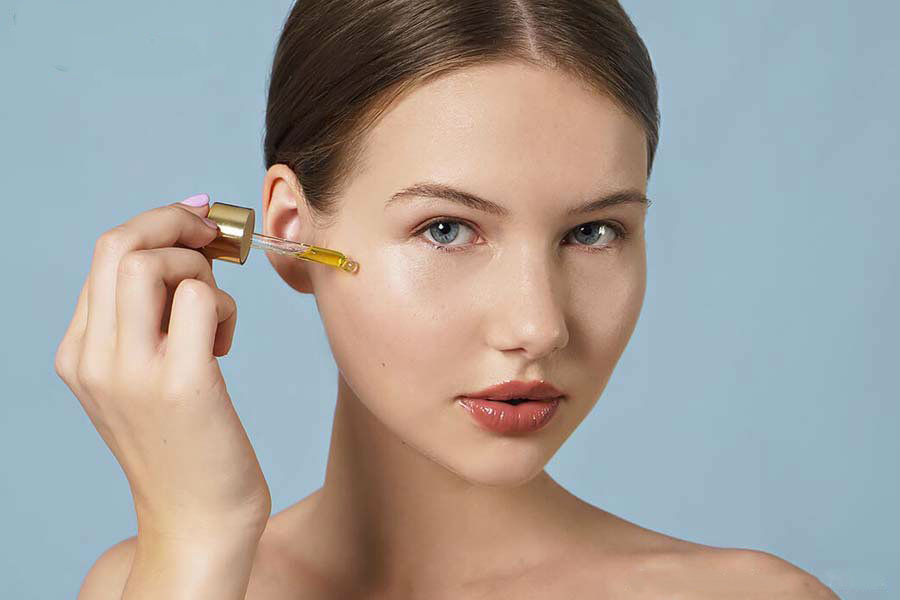
Dropper bottles are common for premium facial serums. They show the texture clearly and work well for online product photos.
Airless pump bottles are useful for formulas that need better protection from air exposure. They also give a clean and professional image.
Ampoule bottles can support a clinic-inspired or K-beauty concept. They are suitable for higher-value skincare sets.
Mini vials work well for trial kits, beauty boxes, travel sets, and salon sampling.
Dual-product sets can pair serum with face cream, facial mask, or sunscreen. This helps brands increase order value and build a complete routine.
For export projects, brands should check leakage, pump function, dropper compatibility, label adhesion, carton strength, and formula stability during shipping.
10) Product Line Planning Around the Hero Serum
A facial serum can become the hero product of a skincare range. It can also support a full routine.
A simple product line may include:
- Hydrating facial serum for daily glow.
- Barrier face cream for dry or stressed skin.
- Facial mask for intensive care positioning.
- Eye mask for premium anti-aging sets.
- Sunscreen for daytime routine protection.
This type of line is useful for beauty retailers and online sellers. It gives customers a clear routine. It also gives distributors more products to present to local stores.
Brands can connect serum projects with Eye Mask & Facial Mask Manufacturer support to build mask sets. They can also add Private Label Sunscreen Manufacturer support for daytime skincare routines.
11) Product Page Angles for B2B Buyers
A good product page should help buyers understand the serum quickly. It should explain the trend, texture, target user, packaging, and customization options.
Useful B2B angles include:
- Active facial serum for private label skincare brands.
- K-beauty-inspired ampoule for premium product lines.
- Hydrating serum with hyaluronic acid and peptides.
- Pink peptide serum for glow and smooth skin texture.
- Fragrance-free serum for sensitive skin positioning.
- Serum and cream set for retail skincare brands.
- Facial care line for salon and spa channels.
The product page should use clear photos. Texture images, dropper shots, packaging close-ups, ingredient visuals, and routine images can help buyers understand the product faster.
If the brand has video assets, a short texture or application video can also help. It does not need to be complex. A simple clip showing the serum drop, spread, and finish can make the product easier for buyers to evaluate.
12) Claim Control for Skincare Marketing
Claim control is very important for this category. Strong ingredient stories can attract attention, but overclaiming can create risk.
Brands should avoid medical claims such as wound healing, scar treatment, disease treatment, or tissue regeneration unless the product has suitable approval and evidence for the target market.
Better cosmetic wording includes:
- Hydrating serum for tired-looking skin.
- Barrier support skincare for a comfortable skin feel.
- Glow serum for a fresh and smooth-looking complexion.
- Peptide serum for early visible aging care.
- K-beauty-inspired serum for premium skincare routines.
- Serum for uneven skin tone and dull-looking skin.
This language still sounds attractive. It is also easier to use on packaging, product pages, distributor catalogs, and online listings.
13) Quality Checks Before Bulk Production
Private label serum projects should be checked carefully before bulk production. A formula may look good in a lab sample, but it still needs to perform during filling, storage, and shipping.
Important checks may include appearance, odor, viscosity, pH, color stability, packaging compatibility, microbial control, and filling performance. For transparent or light-colored serums, color change should be reviewed closely.
Packaging compatibility is also important. Some formulas work well in glass dropper bottles. Others perform better in airless pumps. The final choice should match the texture, formula system, brand image, and target sales channel.
For export orders, brands should also consider carton strength, leakage testing, label adhesion, and temperature changes during transport. These details can affect customer experience after the product reaches the market.
14) Questions to Prepare Before Sampling
Before starting a serum project, brands should prepare a simple product brief. This helps reduce repeated changes and makes supplier communication easier.
Useful questions include:
- Do you want a watery serum, gel serum, milky serum, ampoule, or cream serum?
- Is the target story hydration, glow, barrier comfort, or anti-aging care?
- Do you prefer a fragrance-free formula or a light skincare scent?
- Should the formula include peptides, niacinamide, hyaluronic acid, cica, or ceramides?
- Do you want dropper bottle, airless pump, ampoule bottle, or mini vial packaging?
- Which market will the product target first?
- Will the serum be sold alone or as part of a skincare set?
If your product idea is still early, Personal Care Research & Development support can help turn the concept into a clearer formula and packaging direction.
Conclusion
PDRN serum is a strong product opportunity for private label skincare brands. It combines trend value, premium ingredient storytelling, and flexible product line potential.
The best product should have more than a trending name. It needs a clear texture, stable formula system, suitable packaging, careful claim language, and a product page that speaks to real buyer needs.
If you are looking for a flexible Facial Serum & Cream Manufacturer, Xiangxiang Daily can help you discuss active serum concepts, supporting ingredients, packaging choices, sample direction, and skincare line planning based on your brand requirements.
FAQ — PDRN Serum for Private Label Brands
Q1: Can I create this type of serum under my own brand?
Yes. Private label skincare brands can develop custom serum products with their own texture, packaging, ingredient story, and product claims.
Q2: What ingredients work well in this formula direction?
Common supporting ingredients include hyaluronic acid, peptides, niacinamide, panthenol, cica, ceramides, beta-glucan, glycerin, and sodium hyaluronate.
Q3: Is this product suitable for sensitive skin positioning?
It can be positioned for sensitive skin care if the formula is designed carefully. Brands may choose fragrance-free formulas, soothing ingredients, and mild claim language.
Q4: What packaging is suitable for premium facial serum?
Dropper bottles, airless pumps, ampoule bottles, and mini vials are common options. The best choice depends on the texture, brand image, and sales channel.
Q5: Can this serum be part of a full skincare line?
Yes. It can be paired with face cream, facial mask, eye mask, toner, essence, or sunscreen to create a complete routine.
Q6: What claims should brands avoid?
Brands should avoid medical claims such as wound healing, scar treatment, or disease treatment unless they have suitable approval and evidence for the target market.
Q7: What should I prepare before contacting a manufacturer?
Prepare your target market, texture preference, packaging idea, key ingredients, product positioning, benchmark product, and expected sales channel.