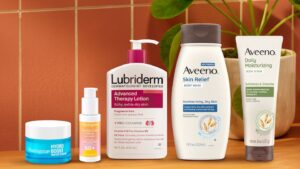
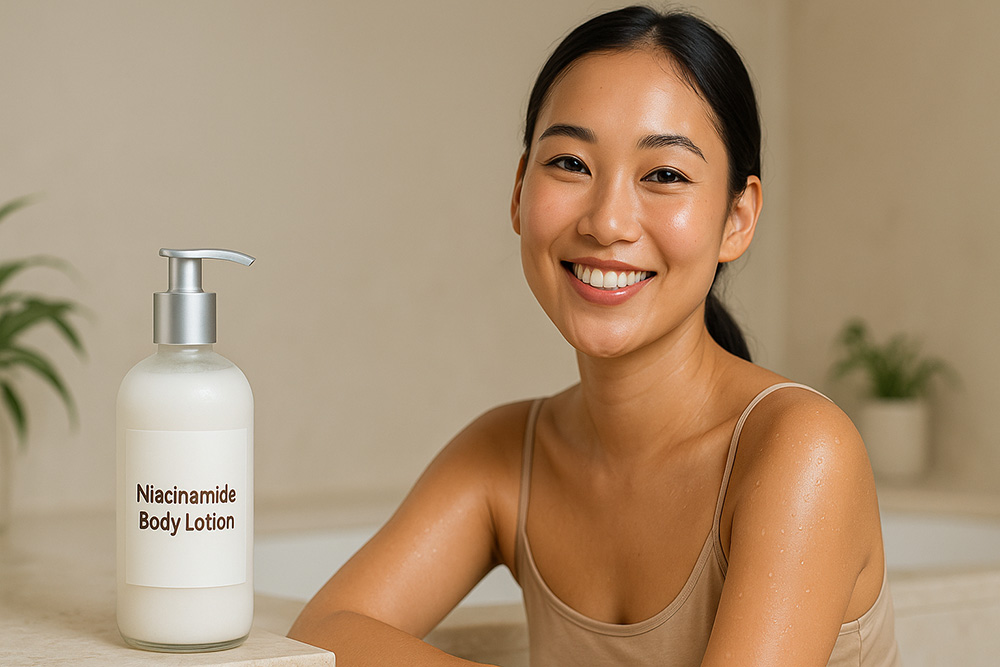
Body lotion is no longer only a basic moisturizer. It is now part of a full body care routine. Consumers want soft skin, smooth texture, glow, and a pleasant scent.
Many shoppers also want skincare-style ingredients for the body. This gives beauty brands more room to create new products.
For beauty retailers, distributors, online sellers, and private label brands, body lotion is a strong product choice. It is easy to sell. It is easy to explain. It also works well in body care sets.
The best product should match the target market. It should also match the climate, skin need, scent style, package type, and sales channel. A professional personal care manufacturer can help brands build a clear product plan.
1) Why Body Lotion Is a Strong Category
Body lotion has daily use value. Many consumers use it after a shower. Some use it before sleep. Others use it after shaving or during dry seasons.
This makes the product good for repeat sales.
The category is also flexible. A brand can launch one daily lotion. It can also build a full body care range.
Common product ideas include dry skin care, glow care, barrier care, fragrance layering, and premium body treatment.
For B2B buyers, body lotion has clear advantages:
- It is easy for consumers to understand.
- It fits retail, online, salon, spa, and supermarket channels.
- It can be sold alone or in body care sets.
- It works for both mass and premium markets.
- It pairs well with body wash, body scrub, body oil, and body mist.
2) Product Ideas Brands Can Develop
Before sampling, brands should choose a clear product idea. This helps the formula team. It also makes the product page easier to write.
Daily moisturizing lotion: This is the classic choice. It focuses on soft skin, quick absorption, and daily comfort.
Brightening body lotion: This product can target dull-looking skin and uneven skin tone appearance.
Barrier care lotion: This formula can use ceramides, panthenol, oat extract, and glycerin. It can fit dry or sensitive skin lines.
Body milk: This texture is lighter than cream. It works well in humid markets and daily routines.
Firming body lotion: This product can use peptides, caffeine, seaweed extract, or collagen-inspired claims.
Fragrance body lotion: This product focuses on scent and soft skin. It can pair with body mist or perfume.
Luxury body cream: This texture is richer than lotion. It can fit dry skin, mature skin, spa retail, and gift sets.
3) Xiangxiang Daily Body Lotion Support
Xiangxiang Daily supports body care, skin care, and hair care product development for global beauty brands.
For lotion and cream projects, we can discuss texture, scent, packaging, samples, and product line planning.
As a private label body care manufacturer, Xiangxiang Daily supports body wash, body lotion, body cream, body scrub, body oil, massage oil, soap, and other body care products.
For lotion and cream projects, our body lotion manufacturer service can support retail, online, wholesale, spa, salon, and export channels.
If your brand needs wider support, our OEM and ODM personal care services can help turn ideas into formula and packaging plans.
4) Texture Ideas for Different Markets
Texture can decide if customers buy again. A body lotion should feel good in the target climate. It should also match the product story.
Light lotion: This texture absorbs fast. It feels fresh. It works well in humid markets.
Body milk: This texture is thin and easy to spread. It is good for large pump bottles and daily use.
Cream lotion: This texture feels richer. It suits dry skin, night use, and premium moisture lines.
Body butter: This format is thick and rich. It is useful for very dry skin and spa products.
Serum body lotion: This concept uses a light feel with active ingredients. It can support glow, smoothness, or barrier care.
Oil-in-lotion: This formula gives more slip and shine. It works well for luxury body care.
For the Philippines, light textures may work better. A non-sticky finish is important.
For Nigeria, richer moisture may be more attractive. Glow and long-lasting softness can also work well.
5) Ingredient Stories That Help Sales
Ingredient stories help consumers understand the product. They also help buyers compare one lotion with another.
For moisture: Glycerin, hyaluronic acid, sodium PCA, betaine, aloe vera, and urea can support hydration claims.
For barrier care: Ceramides, panthenol, cholesterol, fatty acids, oat extract, and allantoin can support dry skin lines.
For glow: Squalane, sunflower seed oil, jojoba oil, shea butter, cocoa butter, and vitamin E can give a soft feel.
For dull-looking skin: Niacinamide, vitamin C-inspired ingredients, licorice extract, papaya extract, and fruit extracts can support radiance claims.
For smoother skin: Lactic acid, gentle acids, enzymes, or retinol-inspired concepts can support rough texture claims.
For fragrance: Vanilla, coconut, shea, lavender, sandalwood, musk, rose, and tropical fruit scents can create strong appeal.
The ingredient list should match the claim. Brands should avoid medical wording. It is better to use simple cosmetic phrases such as soft skin, smooth feel, daily moisture, and healthy-looking glow.
6) Product Ideas for Beauty Retailers
Retailers often need more than one lotion. A small product family can cover more customer needs. It can also improve shelf value.
Daily Hydration Body Lotion: A light formula for daily use. It can target normal to dry skin. It works well in large pump bottles.
Bright Glow Body Lotion: A niacinamide-led product for dull-looking skin. This idea can work well in beauty retail and online stores.
Barrier Body Cream: A richer product with ceramides, panthenol, and oat extract. It can fit dry skin and sensitive skin lines.
Shea Butter Body Lotion: A classic product for rich body care. It can support warm, creamy, or vanilla scent profiles.
Body Milk Pump Lotion: A light format for humid weather and fast use.
Fragrance Layering Lotion: A scented lotion made to pair with body mist or perfume. It can work well in gift sets.
Firming Body Lotion: A premium formula with peptides, caffeine, seaweed extract, or botanical actives.
7) Packaging Options
Packaging affects price, use experience, shipping safety, and shelf appeal. It should match the texture and sales channel.
Pump bottles: This is the most common format for daily lotions. It is easy to use in the bathroom.
Squeeze tubes: Tubes work well for travel sizes, hand and body cream, and premium retail products.
Jars: Jars are suitable for thick body cream and body butter. They give a rich and premium look.
Airless bottles: Airless packaging can support premium formulas and cleaner use.
Mini bottles: Small sizes are useful for trial kits, hotel products, subscription boxes, and gift sets.
Family-size bottles: Larger bottles are suitable for supermarkets, wholesale channels, and value-driven markets.
For export projects, brands should check pump function, leakage, bottle shape, label adhesion, carton strength, and filling performance.
8) Market Ideas for the Philippines and Nigeria
Body lotion demand changes by climate, skin concern, scent preference, and shopping habit.
For the Philippines: Lightweight lotion, body milk, brightening body lotion, cooling aloe lotion, and fast-absorbing textures may work well.
The product story can focus on daily moisture, fresh skin feel, glow, and humid-weather comfort.
For Nigeria: Shea butter lotion, cocoa butter lotion, glow body lotion, rich body cream, and fragrance-led body care may be strong options.
A lotion can also pair well with body oil for deeper moisture and shine.
For beauty retailers: Attractive packaging, clear scent stories, and product sets can improve shelf appeal.
For online sellers: Texture videos, ingredient callouts, and bundle offers can help conversion.
For distributors: Clear carton details, stable supply, practical price levels, and simple claims are important.
9) Body Lotion Line Pairing Ideas
Body lotion sells better when it is part of a routine. This helps brands increase order value and repeat purchase.
A simple body care routine can include body wash, body scrub, body lotion, body oil, and body mist.
Useful product pairings include:
- body wash manufacturer support for shower gel, serum body wash, or moisturizing body wash.
- body scrub manufacturer support for exfoliation and smooth skin routines.
- private label body oil manufacturer support for glow, spa, and fragrance layering lines.
- body care product manufacturer support for full body care planning.
For example, a brand can create a bright body routine with body wash, body scrub, brightening lotion, and body oil.
A spa brand can create a soft skin ritual with shower gel, body cream, massage oil, and body mist.
10) B2B Product Page Angles
A B2B product page should be easy to scan. Buyers want to know the formula idea, texture, skin need, package type, and market fit.
Useful product page angles include:
- Body lotion for private label beauty retailers.
- Private label body lotion for daily moisture lines.
- Body milk for light body care routines.
- Brightening body lotion for dull-looking skin.
- Shea butter lotion for dry skin markets.
- Fragrance body lotion for body mist sets.
- Barrier body cream for sensitive skin lines.
- Firming body lotion for premium body care lines.
Product photos should show texture clearly. Pump bottle images, cream swatches, body use scenes, ingredient visuals, and routine sets can help buyers decide faster.
If the brand sells online, a short video can help. It can show spreadability, absorption speed, skin finish, and package use.
11) Claim Language for Body Lotion
Body lotion claims should be clear and safe. Strong treatment language can create risk.
Better cosmetic wording includes:
- Helps keep skin moisturized.
- Leaves skin feeling soft and smooth.
- Supports a healthy-looking skin barrier.
- Improves the look of dry and dull skin.
- Helps skin feel comfortable after a shower.
- Gives skin a fresh and radiant look.
- Supports daily body care routines.
For brightening products, brands should be careful with wording. It is better to use phrases such as radiance, glow, and uneven skin tone appearance.
12) Quality Checks Before Bulk Production
Body lotion projects should be checked before bulk production. A formula needs to stay stable during storage, filling, and shipping.
Important checks may include:
- Appearance, color, odor, and texture stability.
- Viscosity and pump performance.
- pH review based on formula type.
- Heat, cold, and freeze-thaw stability.
- Packaging compatibility and leakage testing.
- Microbial control and preservative review.
- Label adhesion and carton strength for export shipping.
For hot and humid markets, heat stability is very important. A lotion that separates or changes odor during storage can damage customer trust.
Brands can also review cosmetic quality control needs before confirming bulk production.
13) Questions Before Sampling
Before starting a body lotion project, brands should prepare a simple product brief. This helps the supplier understand the product faster.
Useful questions include:
- Do you want body lotion, body milk, body cream, or body butter?
- Is the product for moisture, glow, barrier care, firming, or fragrance layering?
- What skin type or market will the product target?
- Do you prefer a light, medium, rich, or oil-in-lotion texture?
- Should the product be fragrance-free or scented?
- Do you want pump bottle, tube, jar, airless bottle, or mini packaging?
- Will the lotion be sold alone or as part of a body care set?
If your product idea is still early, cosmetics manufacturing support can help turn the concept into a practical production plan.
Conclusion
Body lotion is a strong product category for beauty retailers and private label body care brands. It has daily use value. It also has strong repeat purchase potential.
The best product starts with a clear market direction. A light body milk can work well in humid climates. A shea butter lotion can fit dry skin markets. A brightening lotion can support glow-focused routines. A scented lotion can pair with body mist and body oil.
If you are looking for a flexible private label body lotion manufacturer, Xiangxiang Daily can help you discuss texture, ingredients, scent, packaging, samples, and product line planning based on your brand needs.
FAQ — Body Lotion for Beauty Retailers
Q1: Can I create body lotion under my own brand?
Yes. Private label brands can develop body lotion with custom texture, scent, packaging, ingredients, and claims.
Q2: What body lotion products are popular?
Daily lotion, brightening body lotion, shea butter lotion, body milk, barrier cream, and fragrance body lotion are common choices.
Q3: What packaging is best for body lotion?
Pump bottles are common for daily lotion. Tubes, jars, airless bottles, mini bottles, and family-size bottles can also be used.
Q4: Can body lotion be customized for different markets?
Yes. Texture, scent, ingredients, packaging, and claim language can be adjusted for different climates and sales channels.
Q5: What ingredients work well in body lotion?
Common options include glycerin, hyaluronic acid, niacinamide, shea butter, cocoa butter, ceramides, panthenol, oat extract, aloe vera, squalane, and vitamin E.
Q6: Can body lotion be sold as part of a set?
Yes. It pairs well with body wash, body scrub, body oil, body mist, massage oil, and gift set packaging.
Q7: What should I prepare before contacting a manufacturer?
Prepare your target market, texture preference, scent direction, packaging idea, benchmark product, claims, and expected sales channel.