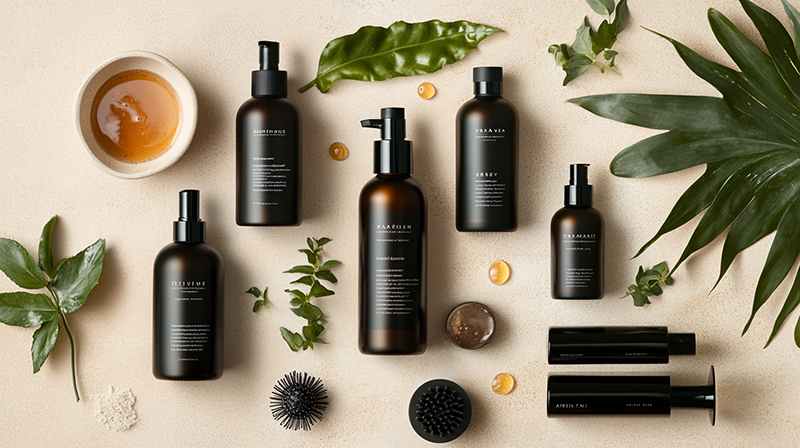
Private label shampoo is a strong product direction for beauty brands, distributors, salons, and online sellers in the Philippines market.
The country has hot and humid weather in many areas. This affects how people choose shampoo. Many consumers want a fresh scalp feel, light hair feel, good fragrance, and easy rinse-off.
For B2B buyers, the goal is not only to choose one shampoo. The goal is to build a hair care line that fits local weather, hair type needs, retail channels, and repeat purchase habits.
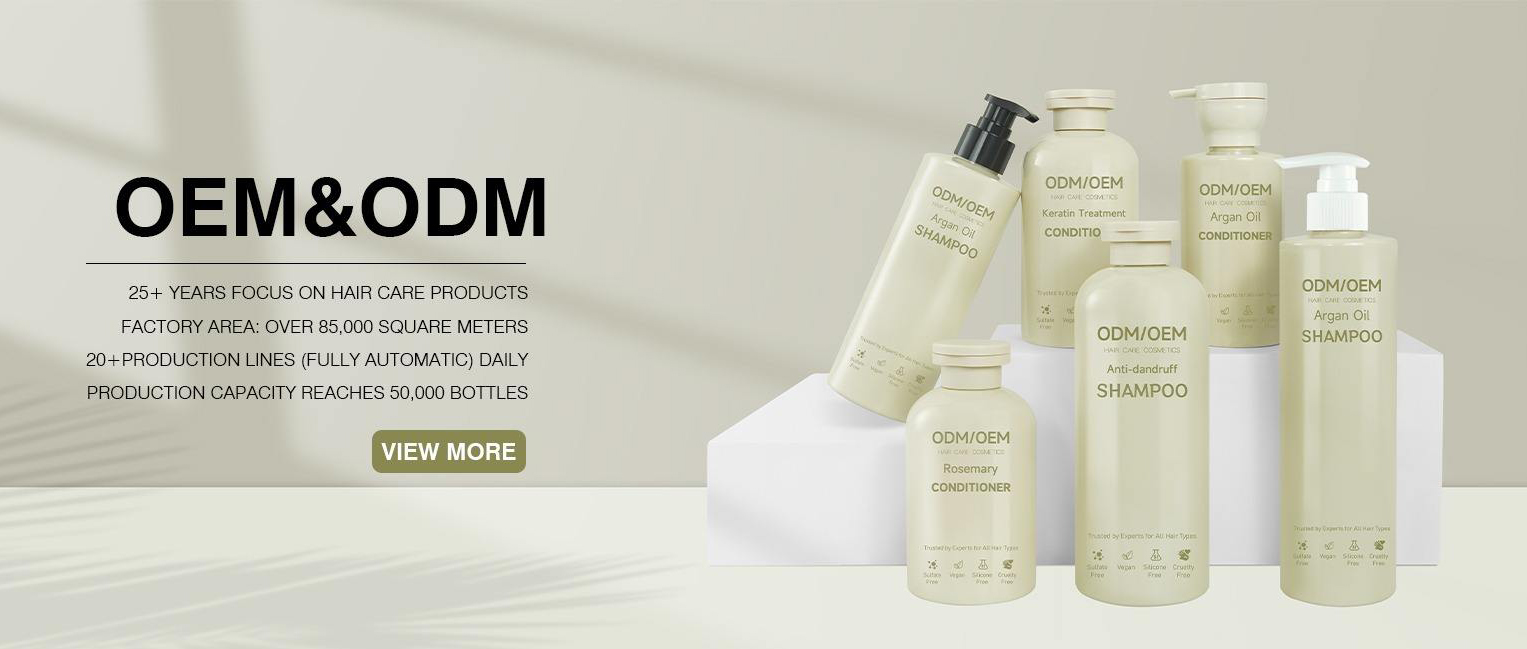
As a personal care manufacturer, Xiangxiang Daily supports shampoo, conditioner, hair mask, hair oil, scalp care, and styling product development for global beauty brands.
1) Why the Philippines Market Matters
The Philippines is an important market for daily hair care products. Shampoo is used often, so it can create stable repeat sales for retailers and distributors.
Hot weather, sweat, humidity, outdoor activity, and styling products can affect the hair and scalp feel.
This creates demand for shampoo products that feel fresh, light, and easy to rinse.
For buyers, the Philippines market can support several product directions:
- Sulfate-free shampoo for gentle cleansing.
- Anti-frizz shampoo for humid weather.
- Oily scalp shampoo for a fresh root feel.
- Clarifying shampoo for product buildup.
- Shampoo and conditioner sets for retail shelves.
- Mini shampoo packs for e-commerce, salons, hotels, and trial campaigns.
Brands should not use the same formula for every country. A shampoo product for the Philippines should match the local climate, channel, and hair care habits.
Xiangxiang Daily supports this category through shampoo and conditioner manufacturer services for private label brands and wholesale buyers.
2) Shampoo Needs in Hot and Humid Weather
Humidity can make hair feel oily, flat, sticky, or frizzy. It can also make the scalp feel less fresh during the day.
This does not mean every formula should be very strong. A good shampoo should clean well but still leave hair manageable.
For oily scalp: A fresh cleansing formula can help roots feel lighter. Tea tree oil, rosemary, mint, green tea, zinc PCA, or light botanical extracts can support this product story.
For scalp health positioning: Brands can focus on a clean scalp feel, fresh roots, and balanced daily washing. Claim language should stay cosmetic and avoid medical wording.
For frizzy hair: A smoothing formula can help hair feel softer and easier to manage. It can pair with conditioner, hair mask, or hair oil.
For frequent washing: A mild formula with good foam and easy rinse-off can support daily or regular use.
For product buildup: A deeper cleansing product can help remove styling residue, sweat, and excess oil from hair.
For dry ends: A shampoo should not leave the hair too rough. Conditioner or hair mask pairing can improve the full routine.
A good product should leave hair feeling clean, but not stripped. This balance is important for repeat purchase.
A related guide, what is clarifying shampoo, can help buyers compare daily cleansing and deep cleansing product positions.
3) Formula Directions for Shampoo Lines
Shampoo can be developed in many formula directions. The best option depends on the target user, price level, channel, and hair type.
Sulfate-free shampoo: This is useful for gentle cleansing, color care, curly hair, and premium daily wash products.
Anti-frizz shampoo: This can work well in humid weather. It should focus on smoother hair feel, easy combing, and a soft finish.
Oily scalp shampoo: This product can focus on fresh roots, light texture, and clear rinse-off. Tea tree oil or rosemary positioning can support this concept.
Moisturizing shampoo: This can support dry hair, colored hair, and damaged hair routines. It can use panthenol, glycerin, amino acids, aloe vera, or light conditioning agents.
Botanical shampoo: Rosemary, tea tree, aloe vera, coconut, mint, green tea, and ginger can support clear ingredient stories.
Clarifying shampoo: This can target product buildup, excess oil, sweat, and heavy hair feel.
Salon repair shampoo: This product can pair with conditioner and hair mask. Claim language should focus on smoother, softer, healthier-looking hair.
Custom formulations: Brands with a clear product idea can adjust foam, fragrance, viscosity, scalp feel, hair after-feel, and ingredient story.
A high-performing related article on sulfate-free shampoo Philippines can support the wider shampoo content cluster and help brands understand local search demand.
4) Product Line Ideas for Philippine Buyers
A shampoo product should not stand alone if the goal is retail growth. A clear product line can help buyers sell more than one item.
Daily Fresh Shampoo: A light shampoo for normal hair and regular use. It can target supermarkets, online shops, and family care channels.
Sulfate-Free Shampoo and Conditioner Set: A gentle cleansing and care set for beauty retailers and e-commerce sellers.
Anti-Frizz Hair Care Set: A shampoo, conditioner, and hair mask line for humid weather and frizzy hair routines.
Oily Scalp Shampoo: A fresh cleansing product for hot weather, sweat, and flat roots.
Tea Tree Scalp Fresh Shampoo: A shampoo concept for clean scalp feel and fresh roots. It can work well for active users and humid climates.
Clarifying Reset Shampoo: A weekly-use product for product buildup and heavy hair feel.
Botanical Shampoo Line: A shampoo range with rosemary, tea tree oil, aloe vera, coconut, mint, or green tea positioning.
Private Label Hair Care Set: A full set can include shampoo, conditioner, hair mask, hair oil, and scalp treatment. This is useful for retailers and distributors that want a complete shelf offer.
Mini Shampoo Trial Pack: A small-size product for online bundles, salons, hotels, travel kits, and sample campaigns.
Useful product links include hair mask manufacturer support for deep care products, private label hair oil manufacturer support for shine and dry ends, and scalp treatment manufacturer support for scalp-focused hair care solutions.
5) Packaging Channel Fit and Minimum Order
Packaging should match the sales channel. A shampoo product for supermarkets may need different packaging from a salon or online product.
Retail bottle: Flip-top bottles and pump bottles can work well for supermarkets, pharmacies, and beauty stores.
Salon size: Large pump bottles can work for salons, spas, hotels, and professional backbar use.
Mini size: Small bottles and sachets can work for trial packs, travel kits, online bundles, and hotel amenities.
Premium packaging: Matte bottles, soft-touch labels, clean design, and matching conditioner packaging can support a stronger brand image.
E-commerce packaging: Bottles and caps should be checked for leakage and parcel shipping damage.
Minimum order planning also matters. Buyers should confirm the minimum order for formula, bottle, cap, label, carton, and finished goods before sampling.
For the Philippines market, fresh colors, clear product claims, tropical scent stories, and easy-to-understand product names can help retail buyers explain the product faster.
For full product planning, OEM and ODM personal care services can help connect formula direction, fragrance, packaging, sampling, and production needs.
6) Quality Checks Before Bulk Production
Quality control is important for shampoo products. A good product should stay stable and feel consistent from sample to repeat order.
Foam and rinse-off: The product should match the target market. Some buyers prefer rich foam. Others prefer mild cleansing and easy rinse-off.
Viscosity: The shampoo should not become too thin or too thick during storage.
Hair feel: Hair should feel clean and manageable after washing. It should not feel too rough.
Scalp feel: The product should leave the scalp feeling fresh and comfortable.
Fragrance stability: The scent should stay pleasant and stable during storage.
Packaging fit: Bottles, caps, pumps, labels, and cartons should be checked before shipment.
Leakage checks: This is important for export orders and e-commerce shipping.
Hot climate checks: Shampoo products should be reviewed under warm storage and shipping conditions.
Batch consistency: Repeat orders should match the approved sample as closely as possible.
High quality shampoo production depends on stable formulas, suitable packaging, clear records, and careful inspection.
Brands can review cosmetic quality control needs before confirming large orders.
For larger projects, cosmetics manufacturing support can help with production planning, filling, packing, quality review, and export preparation.
7) Sampling Brief for B2B Buyers
A clear brief helps the manufacturer prepare better samples. It also helps reduce back-and-forth communication.
Before starting a shampoo project, buyers should prepare:
- Target market and sales channel.
- Main hair concern, such as oily scalp, frizz, dryness, or buildup.
- Target hair type, such as straight, wavy, curly, colored, oily, dry, or damaged hair.
- Formula direction, such as sulfate-free, botanical, anti-frizz, scalp fresh, or clarifying.
- Preferred foam level and rinse-off feel.
- Fragrance direction, such as fresh, coconut, floral, herbal, mint, or salon scent.
- Packaging size, bottle type, label style, and carton needs.
- Matching products, such as conditioner, hair mask, hair oil, or scalp care.
- Minimum order target and expected repeat order plan.
For B2B buyers, a shampoo line should be planned around repeat purchase. The formula, packaging, scent, and matching products should all support that goal.
A related guide on top shampoo manufacturer options can help buyers compare supplier types and shampoo line planning.
Conclusion
Private label shampoo is a useful product direction for the Philippines market. Hot and humid weather creates demand for fresh, lightweight, easy-rinse, and anti-frizz hair care products.
For brands and distributors, the best shampoo product should match the local climate, hair type, channel, packaging style, and price level.
A strong shampoo line can include conditioner, hair mask, hair oil, scalp treatment, and styling products. This helps buyers build a complete private label hair care routine instead of selling one product only.
Xiangxiang Daily can help beauty brands, Philippine retailers, distributors, salons, spas, online sellers, and wholesale buyers develop shampoo products with suitable formula, packaging, quality checks, and export support.
For custom production, our private label shampoo manufacturer service can support shampoo and conditioner product lines for the Philippines market and other global markets.
FAQ — Private Label Shampoo for the Philippines Market
Q1: What shampoo products work well in the Philippines?
Fresh cleansing shampoo, sulfate-free shampoo, anti-frizz shampoo, oily scalp shampoo, clarifying shampoo, and shampoo and conditioner sets can work well for this market.
Q2: Why does humid weather matter for shampoo products?
Humid weather can make hair feel oily, flat, sticky, or frizzy. A shampoo formula should feel light, clean, and easy to rinse.
Q3: What is private label hair care?
Private label hair care means a manufacturer makes hair care products under the buyer’s own brand name. It can include shampoo, conditioner, hair mask, hair oil, scalp care, and styling products.
Q4: Is tea tree oil useful in shampoo products?
Tea tree oil can support a fresh scalp feel and botanical product story. The final use level and claim language should match the formula and target market.
Q5: How should brands choose a shampoo by hair type?
Brands should match the formula to the target hair type. Oily hair may need a fresher formula. Dry or damaged hair may need a softer after-feel and a matching conditioner or mask.
Q6: Is sulfate-free shampoo suitable for the Philippines market?
Yes. Sulfate-free shampoo can support gentle cleansing, color care, curly hair, and premium daily wash positioning.
Q7: What products can be paired with shampoo?
Brands can pair shampoo with conditioner, hair mask, hair oil, scalp treatment, leave-in products, and styling products.
Q8: What should buyers check before bulk production?
Buyers should check foam, rinse-off feel, viscosity, fragrance, hair feel, scalp feel, packaging fit, leakage, stability, and batch consistency.
Q9: What should I prepare before contacting a shampoo manufacturer?
Prepare your target market, hair type, hair concern, formula direction, scent, packaging idea, benchmark product, minimum order target, sales channel, and order plan.