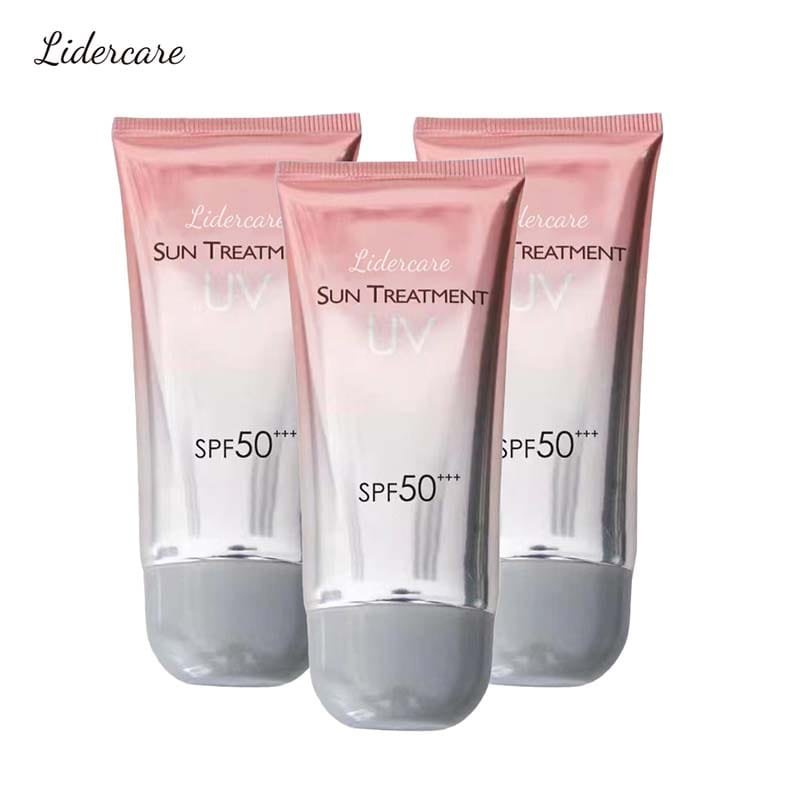
Lightweight sunscreen is a strong product direction for the Philippines market.
The weather is often hot and humid. Many consumers want sun protection that feels fresh, light, and non-greasy.
For wholesale buyers, this product can serve beauty stores, pharmacies, supermarkets, online sellers, salons, spas, hotels, and distributors.
The goal is not only to sell one SPF product. The better goal is to build a sun care line for local weather, skin tone needs, and daily use.
As a personal care manufacturer, Xiangxiang Daily supports sunscreen, skincare, body care, and private label personal care development for global beauty brands.
1) Why Lightweight Sunscreen Matters in the Philippines
Sunscreen comfort is very important in hot-weather markets.
A product may have strong SPF claims. But if it feels sticky, oily, or heavy, consumers may not use it every day.
Daily sunscreen should help protect skin from UV rays. It should also feel good on the skin.
UVB rays are linked with sunburn. UVA rays are linked with long-term sun exposure concerns. This is why many brands want SPF 50 and broad spectrum positioning when testing supports it.
For the Philippines market, buyers often need products with:
- Light texture for humid weather.
- Non-greasy finish for daily use.
- Easy spread on face and body.
- Low white cast on medium and tan skin tones.
- SPF 50 or broad spectrum SPF when supported by testing.
- Packaging that works for retail and online sales.
For B2B buyers, sun care should be planned by format, skin type, finish, packaging, price level, and sales channel.
Xiangxiang Daily supports this category through sunscreen manufacturer services for private label skincare brands and wholesale buyers.
2) Wholesale Sunscreen Product Formats
Different sunscreen formats can serve different channels.
A pharmacy, online seller, beach store, hotel buyer, and beauty retailer may not need the same product.
Daily face sunscreen: A light face sunscreen can work for office routines, school routines, and makeup base use.
Daily SPF lotion: A light lotion can work for face and body care. It should spread fast and feel comfortable.
Gel sunscreen: A gel texture can feel fresh in humid weather. It can target oily skin and city use.
Tinted SPF: A tinted product can help reduce white cast and give light coverage. It can also work as a makeup base.
Sunscreen stick: A stick format is easy to carry. It can work for school bags, travel kits, sports, and reapplication.
Body sunscreen: A larger bottle can support beach, family, hotel, resort, and travel retail channels.
Mini sunscreen: Small tubes and sachets can work for sampling, online bundles, hotels, and convenience stores.
A related article on tinted sunscreen trends in Southeast Asia can help buyers understand shade range, skin tone fit, and low white cast product planning.
3) Formula Ideas for Hot and Humid Weather
A sunscreen formula for humid weather should feel light and easy to apply.
It should also feel comfortable after drying.
For oily skin: A matte or soft-matte finish can work well. Light esters, oil-control powders, and a dry-touch feel can support this direction.
For acne prone skin: A non-greasy and lightweight formula may be easier for daily use. Brands should use claim wording only when the formula and local rules support it.
For dry skin: A hydrating formula can use glycerin, hyaluronic acid, aloe vera, panthenol, or light emollients.
For sensitive skin positioning: A mineral or hybrid formula can be considered. Zinc oxide and titanium dioxide may support a mineral sunscreen story.
For low white cast: A tinted option, pigment adjustment, or hybrid UV filter system can help improve the look on different skin tones.
For daily city use: A non-greasy SPF product can be positioned for commuting, school, office, and makeup base use.
For outdoor use: Water-resistant positioning may be useful when the formula, test data, and local rules support it.
The final formula should not pill when layered with serum, moisturizer, or makeup.
For skincare sets, brands can also connect sunscreen with facial serum manufacturer support for serum and moisturizer products.
4) Product Ideas for Philippine Buyers
Wholesale sunscreen products can be developed for many channels in the Philippines.
Daily Face SPF 50: A light facial sunscreen for daily use. It can work for beauty stores, online sellers, and pharmacies.
Non-Greasy Sunscreen Gel: A fresh gel texture for oily skin, humid weather, and active daily routines.
Tinted Sunscreen for Morena Skin: A low white cast product with shades for medium, tan, and warm undertones.
Acne Prone Skin SPF: A light face sunscreen for buyers targeting oily skin and blemish-prone routines.
Body Sunscreen Lotion: A larger pack for beach, family, hotel, resort, and travel retail channels.
Sunscreen Stick: A portable product for outdoor activity, school, sports, and quick reapplication.
SPF and Skincare Set: A simple set with cleanser, serum, moisturizer, and sunscreen.
Mini SPF Trial Pack: A small product for online bundles, sampling, convenience stores, and promotions.
For wider skincare planning, brands can use private label skin care manufacturer support to build sunscreen together with cleanser, serum, cream, mask, and makeup remover.
5) Packaging and Wholesale Channel Fit
Packaging should match the formula and the sales channel.
For wholesale buyers, packaging also affects shipping safety, shelf display, and repeat orders.
Tube packaging: Tubes are practical for sunscreen. They are light, easy to use, and suitable for retail shelves.
Airless pump: This can support premium skincare positioning and cleaner use.
Small bottle: A compact bottle can work for daily bags, travel, and online bundles.
Stick packaging: Stick format is useful for reapplication and outdoor use.
Sachet packaging: Sachets are useful for sampling, hotel use, trial packs, and affordable retail formats.
Family size: Larger bottles can work for body SPF, beach products, and supermarket channels.
For e-commerce and export orders, leakage control is important. Caps, seals, tubes, labels, and cartons should be checked before shipment.
For full product planning, OEM and ODM personal care services can help connect formula direction, packaging, sampling, and production needs.
6) Claims and Quality Checks
Sunscreen claims need careful review.
SPF, PA, broad spectrum, water-resistant, and blue light claims should be supported by suitable testing and target market rules.
Many consumers also connect daily sunscreen with skin aging concerns. Brands can use cosmetic wording such as “helps protect skin from UV rays” or “supports daily sun care routines.”
Useful cosmetic wording includes:
- Light texture for daily sun care.
- Non-greasy feel for humid weather.
- Helps reduce the look of white cast.
- Suitable for daily face and body use.
- Can be used before makeup.
- Helps protect skin from UVB rays when used as directed.
- SPF 50 or broad spectrum SPF when supported by testing.
Quality checks are also important before bulk production.
Texture check: The formula should spread well and feel comfortable after drying.
Stability check: Heat, cold, color change, odor, separation, and viscosity should be reviewed.
Packaging check: Tubes, pumps, caps, labels, cartons, and leakage risk should be tested.
Application check: The product should work over skincare and under makeup.
Hot climate check: This is important for the Philippines and other tropical markets.
Brands can review cosmetic quality control needs before confirming large orders.
For larger production, cosmetics manufacturing support can help with filling, packing, inspection, and export preparation.
7) Buying Brief for Private Label Sunscreen
A clear brief helps the manufacturer prepare better sunscreen samples.
Before sampling, buyers should prepare:
- Target market and sales channel.
- SPF goal, such as SPF 30 or SPF 50.
- Broad spectrum or PA claim needs.
- Formula type, such as mineral, chemical, or hybrid.
- Finish, such as matte, natural, dewy, or dry-touch.
- Skin type, such as oily, dry, sensitive, acne prone, or combination skin.
- White cast requirements and shade needs.
- Face sunscreen, body sunscreen, stick, gel, or tinted SPF direction.
- Packaging type and size.
- Target price level and order plan.
This information helps the supplier recommend a better formula path and packaging option.
For buyers comparing skincare suppliers, our guide on how to choose a skin care manufacturer can also support supplier evaluation.
Conclusion
Lightweight sunscreen is a strong product direction for the Philippines market.
Hot and humid weather creates demand for SPF products that feel fresh, non-greasy, easy to spread, and low in white cast.
For wholesale buyers, the best sunscreen product should match the local climate, skin tone needs, sales channel, packaging style, and claim rules.
A strong sunscreen line can include face sunscreen, body sunscreen, tinted SPF, gel sunscreen, sunscreen stick, and mini packs for online or retail sales.
Xiangxiang Daily can help skincare brands, Philippine retailers, distributors, online sellers, salons, spas, and wholesale buyers develop sunscreen products with suitable formula, packaging, quality checks, and export support.
For custom production, our private label sunscreen manufacturer service can support wholesale sunscreen products for the Philippines market and other global markets.
FAQ — Wholesale Lightweight Sunscreen Products
Q1: Why is lightweight sunscreen important in the Philippines?
The weather is hot and humid. Many consumers prefer SPF products that feel fresh, non-greasy, and easy to use every day.
Q2: What sunscreen texture works well in humid weather?
Gel, light lotion, dry-touch cream, and soft-matte textures can work well. The best choice depends on the target skin type.
Q3: Is SPF 50 suitable for the Philippines market?
Yes. SPF 50 can be a strong product position when the formula and testing support the claim.
Q4: How can brands reduce white cast?
Brands can use tint adjustment, pigment balancing, hybrid systems, or suitable formula design to improve skin tone match.
Q5: Can sunscreen include skincare ingredients?
Yes. Ingredients such as hyaluronic acid, niacinamide, panthenol, aloe vera, or antioxidants can support a skincare story.
Q6: Can a sunscreen be made for acne prone skin?
Yes. Brands can request a light, non-greasy formula for oily or acne prone skin positioning. Claim wording should match the formula and local rules.
Q7: Why are UVB rays important in sunscreen claims?
UVB rays are linked with sunburn. SPF mainly relates to UVB protection, so brands should confirm SPF claims with suitable testing.
Q8: What packaging is common for wholesale sunscreen products?
Tubes, airless pumps, bottles, sticks, sachets, mini packs, and family-size bottles are common choices.
Q9: What should buyers check before bulk production?
Check texture, SPF claim support, stability, packaging fit, leakage, white cast, application feel, and hot climate performance.
Q10: What should I prepare before contacting a sunscreen manufacturer?
Prepare your target market, SPF goal, formula type, finish, skin type, packaging idea, benchmark product, claim direction, and order plan.