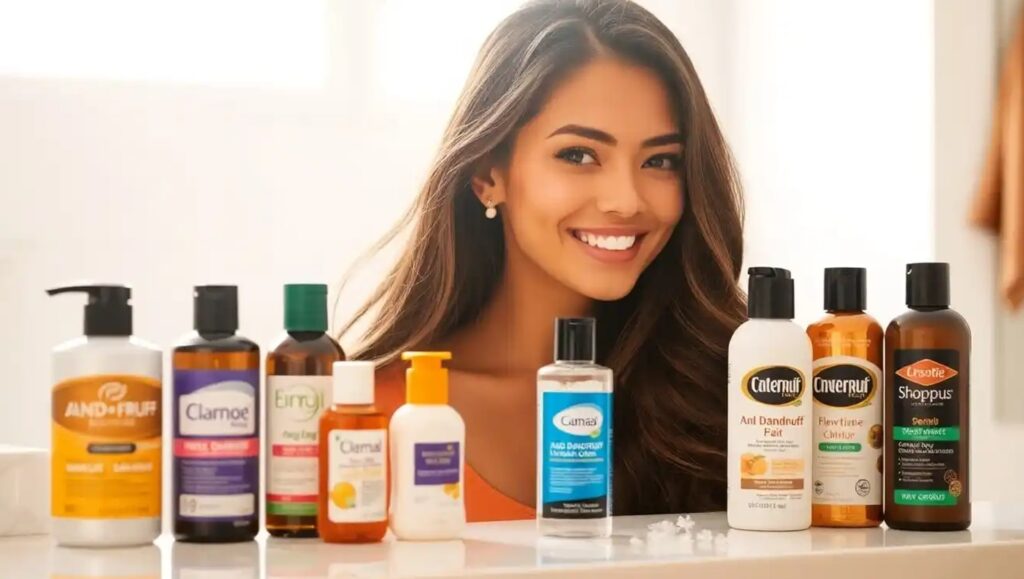
Anti-Dandruff Shampoo is a strong product idea for hot and humid markets.
In warm weather, the scalp can feel oily, sweaty, itchy, or heavy.
Some users also see flakes after frequent washing.
These flakes may come from dead skin on the scalp.
Some cases may also be linked to seborrheic dermatitis.
For B2B buyers, this product should not only promise flake control.
It needs a clear scalp care story.
It also needs stable quality, safe claims, and suitable packaging.
This guide explains how to develop scalp care shampoo products for hot and humid markets.
It is useful for buyers selling in Thailand, Cambodia, DR Congo, the UK, and other markets with frequent hair washing habits.
As a personal care manufacturer, Xiangxiang Daily focuses on shampoo, conditioner, hair care, body care, and skin care products for private label and OEM/ODM buyers.
What Is Anti-Dandruff Shampoo?
Anti-Dandruff Shampoo is made for users with flakes, oily scalp, itchiness, or scalp discomfort.
It cleans the scalp and supports a better care routine.
Some formulas are mild enough for regular use.
Some formulas focus on stronger flake control.
Some products are made for oily scalp.
Some products are made for dry scalp.
Common product ideas include:
- Daily anti-flake shampoo.
- Oily scalp shampoo.
- Dry scalp shampoo.
- Cooling scalp shampoo.
- Herbal scalp care shampoo.
- Sulfate free formulas.
- Shampoo and conditioner set.
- Family-size scalp care shampoo.
- Salon scalp shampoo.
The best formula depends on the market.
A retail product may need a simple claim and fair price.
A salon product may need better texture and scent.
An online product may need a stronger ingredient story.
For product development, buyers can start from our private label shampoo manufacturer category.
Why Hot and Humid Markets Need Scalp Care Shampoo
Hot and humid weather can make scalp issues feel worse.
Sweat, oil, dust, and styling product residue can build up faster.
Some users wash their hair every day.
Frequent washing may leave the scalp dry or tight.
Other users want a fresh scalp feel after work, travel, or outdoor activity.
This creates clear product needs.
- Thailand: oily scalp, cooling feel, and scalp care routines.
- Cambodia: daily fresh shampoo, anti-flake shampoo, and family-size bottles.
- DR Congo: durable packaging, value-size bottles, and distributor-ready shampoo.
- UK: sensitive scalp shampoo, SLS-free shampoo, and clear label support.
The same formula should not be used for every market.
Each market may need a different scent, texture, bottle size, price level, and claim.
For full hair care planning, buyers can review our private label hair care manufacturer category.
Product Ideas for a Scalp Care Line
A strong scalp care line can start with one main shampoo.
Then it can grow into conditioner, scalp treatment, hair mask, or hair oil.
Each product should have one clear job.
1. Daily Anti-Flake Shampoo
This is a practical product for retail and distributor channels.
It should clean well.
It should rinse easily.
It should not leave the scalp dry or tight.
Good claims include fresh scalp feel, visible flake control, and scalp comfort.
2. Oily Scalp Shampoo
This product works well in hot and humid markets.
The formula should remove oil without over-cleaning the scalp.
It can use a fresh scent and a light after-feel.
Useful ingredient stories include tea tree, mint, green tea, rosemary, zinc PCA, niacinamide, or mild cleansers.
3. Dry Scalp Shampoo
Some users search for dandruff help because the scalp feels dry.
This formula should feel gentle.
It can focus on mild cleansing, scalp comfort, and less tight after-feel.
Useful ingredient stories include aloe vera, panthenol, glycerin, oat extract, and soft conditioning agents.
4. Cooling Scalp Shampoo
Cooling shampoo can work well in warm weather.
Mint or menthol-style formulas can give a fresh wash feel.
The cooling effect should stay comfortable.
Too much cooling can feel harsh for sensitive scalps.
5. Herbal Scalp Care Shampoo
Herbal shampoo can work when the story is simple.
Popular ideas include botanical extracts, fresh herbal scent, and natural hair care positioning.
Performance still matters.
A herbal story is not enough if the shampoo has weak foam or poor rinse feel.
6. Shampoo and Conditioner Set
A set is easier to sell as a care routine.
The shampoo can focus on scalp cleansing.
The conditioner can focus on softness and easier combing.
This helps brands build a complete hair care line.
For conditioning and repair products, buyers can review our hair mask manufacturer category.
Formula and Ingredient Ideas
Formula planning should start with the scalp concern.
A daily shampoo needs balance.
A stronger flake-control shampoo needs careful ingredient planning.
Useful formula ideas include:
- Scalp cleansing: mild cleansers, smooth foam, and easy rinse.
- Oil control: zinc PCA, niacinamide, tea tree, mint, or green tea.
- Dry scalp support: aloe vera, panthenol, glycerin, oat extract, or soft conditioners.
- Flake support: active systems based on the target market and claim level.
- Scalp comfort: gentle scent and soothing plant extracts.
- Cooling feel: mint or menthol-style sensory direction.
- Hair softness: light conditioning agents that do not leave hair heavy.
- Sulfate free formulas: mild cleansing systems for gentle-positioned brands.
Some dandruff fighting formulas use ingredients such as zinc pyrithione, salicylic acid, selenium sulfide, ketoconazole, sulfur, or coal tar.
Buyers may also see searches for Nizoral anti dandruff products because ketoconazole shampoos are well known in this category.
That does not mean every private label product should copy a medicated product.
Buyers should first confirm local ingredient rules.
They should also confirm use levels and claim wording.
For consumer guidance on common dandruff shampoo ingredients, buyers can review the American Academy of Dermatology page here: AAD dandruff treatment guidance.
UK buyers can also review NHS dandruff information here: NHS dandruff guidance.
For scalp-focused products, buyers can review our scalp treatment manufacturer category.
Packaging and Label Planning
Packaging should match the sales channel.
A shampoo for supermarkets needs a clear front label.
A shampoo for distributors needs strong bottles and cartons.
A shampoo for salons needs a more professional look.
A shampoo for e-commerce needs shipping-safe packaging.
Common packaging options include:
- 100 ml travel-size bottle.
- 200 ml bottle.
- 250 ml bottle.
- 300 ml bottle.
- 400 ml family-size bottle.
- 500 ml pump bottle.
- 750 ml value-size bottle.
- Salon-size bottle.
- Refill pouch.
- Shampoo and conditioner set.
A small bottle can help with testing.
A family-size bottle can support value sales.
A pump bottle can work well for bathrooms and salons.
A refill pouch can support value or lower-plastic positioning.
Before bulk production, buyers should check:
- Bottle strength.
- Cap tightness.
- Pump function.
- Leakage risk.
- Label adhesion.
- Carton strength.
- Product viscosity and bottle match.
- Barcode and label layout.
- Online shipping protection.
Good packaging helps reduce leaks, label damage, carton damage, and customer complaints.
For factory-side checks, buyers can review our personal care quality control page.
Claims and Market Rules
Anti-Dandruff Shampoo products need careful claim wording.
A claim that works in one market may be risky in another.
Some markets may treat stronger scalp products differently from normal cosmetic shampoo.
Buyers should check local rules before printing labels.
Safer claim ideas include:
- Helps cleanse the scalp.
- Helps reduce the look of flakes.
- Helps remove dead skin flakes from the scalp surface.
- Leaves scalp feeling fresh.
- Supports scalp comfort.
- Helps reduce dry scalp feel.
- Helps hair feel clean and light.
- Supports daily scalp care.
Avoid unsupported medical claims.
Do not promise to cure seborrheic dermatitis.
Do not promise to cure scalp disease.
Do not promise permanent dandruff removal.
Do not claim to treat a medical condition unless the product and market rules support that claim.
Common label checks include:
- Product name.
- Net content.
- Ingredient list.
- Directions for use.
- Warnings if needed.
- Batch number.
- Manufacturer or distributor information.
- Country of origin.
- Language needs for the target market.
Existing Formula or Custom Formulation?
Private label buyers usually choose between an existing formula and a custom formulation.
Both options can work.
The right choice depends on speed, budget, claim level, and sales plan.
- Existing formula: better for fast launch and market testing.
- Custom formulation: better for a special active system, scent, texture, or claim.
- Full service OEM/ODM: better for long-term hair care line building.
An existing formula is useful when buyers need speed.
It can help a brand test demand before deeper product work.
A custom formulation is better when the product needs a stronger difference.
For example, a buyer may want a cooling scalp shampoo for Thailand.
Another buyer may want a family-size anti-flake shampoo for Cambodia.
A DR Congo buyer may need strong packaging and a value-size bottle.
A UK brand may need SLS-free or sensitive scalp positioning.
Custom development should include sample testing.
Buyers should test:
- Foam.
- Rinse feel.
- Scent.
- Scalp comfort.
- Hair softness.
- Dry scalp feel.
- Flake-control claim direction.
- Viscosity.
- Packaging match.
A good supplier should adjust the formula based on the target market, scalp concern, claim, packaging, and price level.
How to Choose a Manufacturer
The manufacturer should understand shampoo development and export work.
A low price is not enough.
The shampoo must be stable.
It must be easy to use.
It must fit the target market.
A full service manufacturer can support formula, packaging, label, samples, production, filling, and quality checks.
Before choosing a supplier, check:
- Shampoo and conditioner experience.
- Anti-flake formula experience.
- Scalp care formula options.
- Oily scalp product experience.
- Dry scalp product experience.
- Existing formula library.
- Custom formulation ability.
- Active ingredient review support.
- Private label hair care product experience.
- Scent adjustment support.
- Packaging sourcing support.
- Custom label support.
- Minimum order options.
- Sample development process.
- Quality control process.
- Export document support.
A good supplier should ask about your market.
They should ask about the target channel.
They should ask about the claim level.
They should ask about the scalp concern.
They should ask about packaging and price.
If a supplier only asks for quantity, the product planning may not be strong enough.
For dandruff control products, buyers should also ask about formula stability and claim support.
Product Line Plan and FAQ
A simple scalp care line can start with three products.
- Daily Anti-Dandruff Shampoo.
- Oily Scalp Shampoo.
- Shampoo and Conditioner Set.
A stronger line can add more products.
- Cooling scalp shampoo.
- Dry scalp shampoo.
- Herbal scalp care shampoo.
- Scalp treatment product.
- Hair mask for dry or damaged hair.
- Hair oil for shine and softness.
This creates a clear product story.
It covers flakes, oily scalp, dry scalp, freshness, scalp comfort, and routine building.
It also helps brands build a complete hair care line instead of one shampoo SKU.
Xiangxiang Daily can support shampoo, conditioner, scalp treatment, hair mask, hair oil, packaging, samples, production, filling, and quality checks for scalp care projects.
What is Anti-Dandruff Shampoo?
It is a shampoo that helps cleanse the scalp and reduce the look of flakes.
It may also support scalp comfort and fresh scalp feel.
What causes dandruff flakes?
Dandruff flakes can come from dead skin on the scalp surface.
Some flakes may also be linked to seborrheic dermatitis or other scalp issues.
What ingredients are used in dandruff fighting shampoo?
Common directions include zinc pyrithione, salicylic acid, selenium sulfide, ketoconazole, sulfur, coal tar, tea tree, mint, aloe vera, panthenol, and mild cleansers.
Buyers should confirm ingredient rules in the target market.
Is this product suitable for dry scalp?
Yes, but the formula should be gentle.
Dry scalp products should focus on mild cleansing, comfort, and less tight after-feel.
Can shampoo treat seborrheic dermatitis?
Some medicated products may be used for seborrheic dermatitis under local rules.
Private label buyers should avoid treatment claims unless the product and market rules support them.
Can Xiangxiang Daily develop Anti-Dandruff Shampoo products?
Yes.
Xiangxiang Daily can support private label shampoo, conditioner, scalp treatment, hair mask, hair oil, packaging, samples, production, filling, quality checks, and export preparation for scalp care hair care projects.