Hydrating shampoo is a cleanser designed to wash the scalp and hair while helping hair feel less dry, softer, and easier to manage. It combines cleansing ingredients with a formula intended to limit an overly stripped feeling after washing. It can be useful for dry-feeling hair, but the right choice depends on your scalp, hair texture, and the conditioner you use with it.
The word “hydrating” does not tell you everything about a shampoo. A lightweight daily formula and a richer shampoo for coarse hair can both carry that description. Understanding the whole product helps you choose a better match, whether you are buying a bottle or developing a shampoo and conditioner range for your brand.
What Does Hydrating Shampoo Do
A hydrating shampoo still needs to clean. Its practical goal is to remove unwanted oil and residue while leaving hair with a comfortable, manageable finish. A product that leaves roots greasy or lengths coated may not suit your routine, even if it feels rich in your hands.
Think about the result in three stages: how well your scalp feels cleansed, how your hair feels during rinsing, and how it behaves once dry. Softness, easy detangling, and less roughness can be useful signs. Foam volume and a thick texture alone do not establish how well a product performs.
Which ingredients matter in hydrating shampoo
A hydrating shampoo balances cleansing with the feel it leaves behind. Reading ingredients by their role is more useful than looking for one fashionable ingredient.
| Ingredient group | Typical role | What it means when choosing |
|---|---|---|
| Cleansing surfactants | Help remove scalp oil and product residue so they can be rinsed away | The cleansing blend must suit your scalp and wash frequency; the hydration label does not mean weak cleansing |
| Humectants such as glycerin | Attract and retain water | Useful components of a moisture-focused formula, but their presence alone does not establish lasting hydration after rinsing |
| Conditioning polymers such as polyquaterniums and cationic guar | Can improve slip, reduce static, and make hair easier to comb | Look for easier handling without an unwanted coated or flat finish |
| Oils and other emollients | Can contribute softness and a smoother feel | More oil is not automatically better, especially when you want to preserve volume |
These roles can overlap. Ingredient levels, interactions, and deposition during rinsing influence the result. A creamy texture or a prominent ingredient on the front label cannot tell you how much conditioning your hair will receive.
For example, CeraVe’s Gentle Hydrating Shampoo combines a cleansing message with ceramides, niacinamide, and hyaluronic acid. Several performance statements on its page apply to use with its matching conditioner. That distinction matters when comparing products: a result measured for a wash-and-condition system should not automatically be attributed to shampoo alone.
What it should not be expected to do
Hydrating shampoo is not a substitute for every other step in hair care. A bottle labeled for hydration does not establish that it treats dandruff, stops hair loss, repairs all damage, or replaces conditioner. Look for evidence specific to the benefit you need rather than treating “hydrating” as a promise of complete hair repair.
Who Should Use Hydrating Shampoo
Start with both your scalp and your hair lengths. An oily scalp can exist alongside dry-feeling ends, and fine hair can feel rough without needing a heavy finish. Choosing for only one of these needs can leave the other unresolved.
| Hair or scalp situation | What to look for | What to check after washing |
|---|---|---|
| Fine hair with dry-feeling ends | A lightweight formula paired with conditioner where needed | Soft ends without flat roots or a coated feel |
| Coarse, curly, or coily hair | A wash-and-condition routine suited to the hair texture | Manageability, detangling, and how the lengths feel once dry |
| Oily roots and dry lengths | Enough scalp cleansing, with more targeted conditioning on the lengths | Clean roots without unnecessarily rough ends |
| Color-treated hair | A product intended for color-treated hair, with relevant supporting information | Hair feel and color appearance over repeated washes |
| A scalp that reacts to products | A formula selected around known sensitivities rather than the hydration label alone | Comfort during and after use |
The American Academy of Dermatology’s hair-care guidance recommends choosing products for your hair type and washing according to how dirty or oily your hair becomes. There is no single washing schedule that suits everyone.
A useful starting point is to identify one clear problem with your current routine. Does your scalp still feel oily? Do your ends tangle? Does your hair lose volume after drying? This makes product selection more specific than simply looking for the richest shampoo available.
If a new product causes irritation, stop using it. Persistent itching, redness, or flaking needs an appropriate assessment rather than repeated changes between cosmetic shampoos.
Hydrating Shampoo vs Moisturizing Shampoo
Hydrating and moisturizing are often used in overlapping ways on shampoo packaging. Neither word, on its own, gives you a complete formula specification. Do not assume that a hydrating shampoo contains only water-attracting ingredients or that a moisturizing shampoo contains only oils.
A more useful comparison considers the intended hair type, cleansing feel, conditioning finish, and instructions. Two products with different names may address similar needs. Two products with the same name may feel quite different.
| Label or product type | Common positioning | Useful buying question |
|---|---|---|
| Hydrating shampoo | Cleansing with a softer, less dry-feeling result | Is the finish light enough for my hair? |
| Moisturizing shampoo | Care for dry-feeling hair, sometimes with a richer finish | Does it clean adequately without leaving unwanted weight? |
| Daily shampoo | Regular cleansing within a routine | Does its cleansing and conditioning balance suit my wash frequency? |
| Clarifying shampoo | Removal of accumulated residue | Do I need a different cleansing step for buildup? |
| Repair shampoo | Care for damaged-looking or damaged-feeling hair | Which repair-related benefit was actually tested? |
If you are comparing hydrating vs moisturizing shampoo, choose on the basis of the finished product and your experience with it. The most expensive option or the longest ingredient list is not automatically the best match.
How to Choose and Use Hydrating Shampoo
Choose around a clear need
Look for a product intended for your hair texture and routine. If your hair is fine, focus on softness without loss of volume. If your lengths are coarse or hard to detangle, consider the shampoo and conditioner together. A fragrance preference is separate from the level of conditioning you need.
Do not use “sulfate-free,” “natural,” or “silicone-free” as a complete performance score. These labels describe aspects of a formula, but they do not show how the whole product will feel on your hair. Review the directions, suitability information, and any stated test conditions.
Keep application simple
- Wet your scalp and hair thoroughly.
- Apply shampoo mainly to the scalp and massage gently with your fingertips.
- Rinse thoroughly, allowing the lather to move through the lengths without vigorous rubbing.
- Follow with conditioner suited to your hair type, concentrating it where needed.
- Dry gently and assess the result before adding more styling products.
The AAD recommends applying shampoo to the scalp and using conditioner after washing. For fine or straight hair, it advises concentrating conditioner on the ends; dry or curly hair may need it through the lengths. These adjustments can be more useful than changing shampoo whenever the ends feel dry.
Compare results without changing everything at once
Keep your conditioner, styling routine, and washing method consistent when evaluating a new shampoo. Note how your roots and ends feel separately. If you switch shampoo, mask, oil, and leave-in products at the same time, it becomes difficult to identify which change helped.
A simple personal check can record scalp cleanliness, detangling, softness, volume, and any discomfort. If hair feels coated or flat, consider the amount used and the entire routine. If it feels rough, review the conditioner and handling as well as the shampoo.
What Brands Should Consider When Developing Hydrating Shampoo
For a brand, “hydrating shampoo” is a starting concept. A useful development brief explains whose needs the product serves and what the finished wash should feel like. A salon line for coarse hair may require a different balance from a lightweight daily shampoo sold to customers with fine hair.
Translate the concept into a product brief
| Brief item | What to specify |
|---|---|
| Customer and market | Hair texture, scalp needs, destination market, and sales channel |
| Performance target | Desired cleansing feel, softness, detangling, and acceptable finish |
| Reference product | What you like about it and what should be different |
| Formula preferences | Ingredient preferences, fragrance direction, and exclusions with a clear reason |
| Product system | Whether the shampoo is sold alone or with a conditioner or mask |
| Pack and price | Bottle size, closure, target price position, and initial order plan |
Place the product within your hair care range: define what the shampoo should deliver alone and what its matching conditioner adds. A lightweight range for fine hair needs a different brief from a detangling-focused system for coarse curls.
Evaluate samples and substantiate claims
Use the same wash method and conditioner when comparing samples, and include users whose hair matches the intended customer. Record scalp cleanliness, detangling, softness, and volume over repeat use. These observations help select a sample; they do not prove a numerical hydration claim. Agree on suitable testing for any measured benefit and specify whether it applies to shampoo alone or a shampoo-and-conditioner system.
Confirm production details before ordering
Ask which stability, microbiological, and packaging-compatibility checks are appropriate for the formula. Confirm how the approved sample becomes the production specification, including appearance, fragrance, viscosity, and other agreed checks.
When comparing private label shampoo suppliers, send the same brief to each candidate. Request separate information on formula options, packaging, minimum quantities, testing, and repeat-order support. This makes quotations easier to compare.
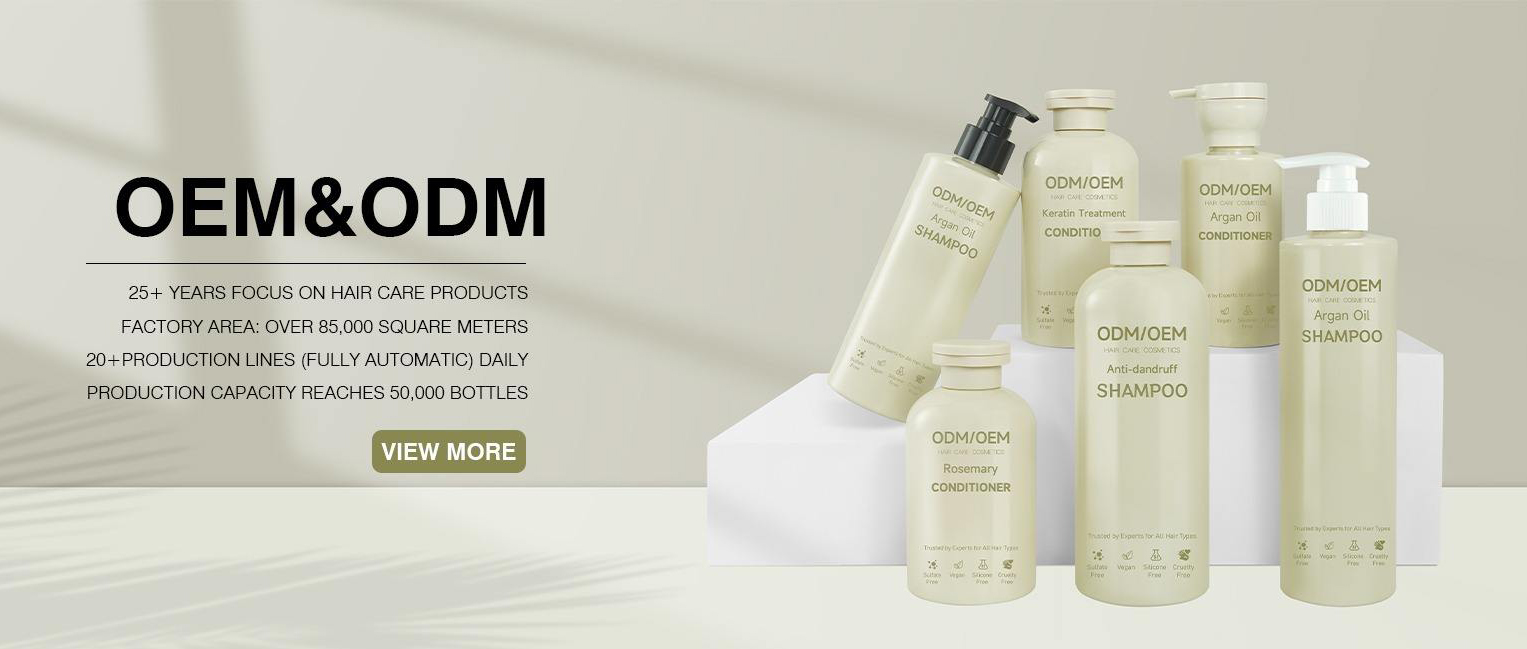
Xiangxiang Daily supports private label hair-care projects through its product development and manufacturing services. Share your target market, hair type, reference sample, packaging direction, and order plan to discuss a hydrating shampoo concept suited to your brand.
FAQ About Hydrating Shampoo
Do hydrating shampoos really work
A well-matched formula can clean your hair while leaving it softer and easier to manage. Judge the result after rinsing and drying, including whether your scalp feels clean and your hair retains its desired volume. A softer feel is useful, but it is not itself a measurement of increased hair water content. Specific hydration percentages or duration claims require product testing.
Why does my hair still feel dry after using hydrating shampoo
The formula may not suit your routine, your lengths may need more conditioning, or your handling and styling habits may contribute to roughness. Start by applying shampoo mainly to the scalp and conditioner where the lengths need it. Keep other products consistent while comparing results. If your scalp is clean but the ends still tangle, review conditioning and heat styling before simply adding more shampoo. Stop a product that causes irritation.
Can you use hydrating shampoo every day
Some products are intended for frequent use, but the right schedule depends on your scalp, hair type, and how quickly your hair becomes dirty or oily. Follow the product directions and adjust the routine to how your scalp and hair respond.
Is hydrating shampoo suitable for oily hair
It can be, if the formula cleans the scalp adequately and leaves an appropriate finish. Oily roots do not rule out dry ends. A lightweight shampoo and targeted conditioner application may suit this combination better than a rich routine applied everywhere.
Does hydrating shampoo replace conditioner
Do not assume it does. Shampoo and conditioner have different roles in a routine. If a shampoo’s advertised result was measured with a matching conditioner, using the shampoo alone may not reproduce that result.
Is hydrating shampoo always sulfate free
No. Check the actual label. “Hydrating” describes the intended product benefit and does not identify a particular cleansing system. Evaluate the finished formula rather than using one ingredient exclusion as the only selection rule.
Can a brand customize a hydrating shampoo
A development project can explore cleansing feel, conditioning finish, fragrance, appearance, and packaging. The available options depend on the manufacturer and the project. Begin with a clear brief, then use sample evaluation and suitable testing to confirm the final product.