Sunscreen manufacturing turns a formula into a tested, stable product that can be made consistently. It involves choosing UV filters, mixing the formula, checking protection, and filling the final pack.
For a private label project, start with the sales market and intended use. These choices shape the ingredients, tests, label, and production plan. An SPF target is a development goal, not a confirmed result.
Explore Xiangxiang Daily’s Private Label Sunscreen Manufacturer page to discuss product formats and custom options.
Start With the Market and Product Brief
Decide where you will sell the sunscreen before approving a formula. Allowed filters, claims, and labels differ by market. One sunscreen product may not meet the rules everywhere.
Give your contract manufacturer a brief that includes:
- Sales countries and target customers.
- Product format and pack size.
- Target SPF and UVA protection claims.
- Whether water resistance is needed.
- Desired feel, finish, scent, and visible cast.
- Order quantity, target cost, and launch window.
In the United States, sunscreen is regulated as an over-the-counter (OTC) drug. An OTC product must meet the applicable FDA requirements. FDA regulation covers more than the SPF number on the front label.
For Great Britain, cosmetic products need a Responsible Person, a safety assessment, and notification before sale. Northern Ireland follows a different route. Check the official Great Britain guidance when assigning market-entry tasks.
Choose the Filters and Sunscreen Format
UV filters provide the product’s UV protection. Mineral options include zinc oxide and titanium dioxide. Other formulas use organic filters, often called chemical filters, or a mix of both types.
Choose active ingredients that are allowed for the intended market and use. Their grade, concentration, and fit with the full formula matter. A filter percentage alone cannot establish the finished SPF.
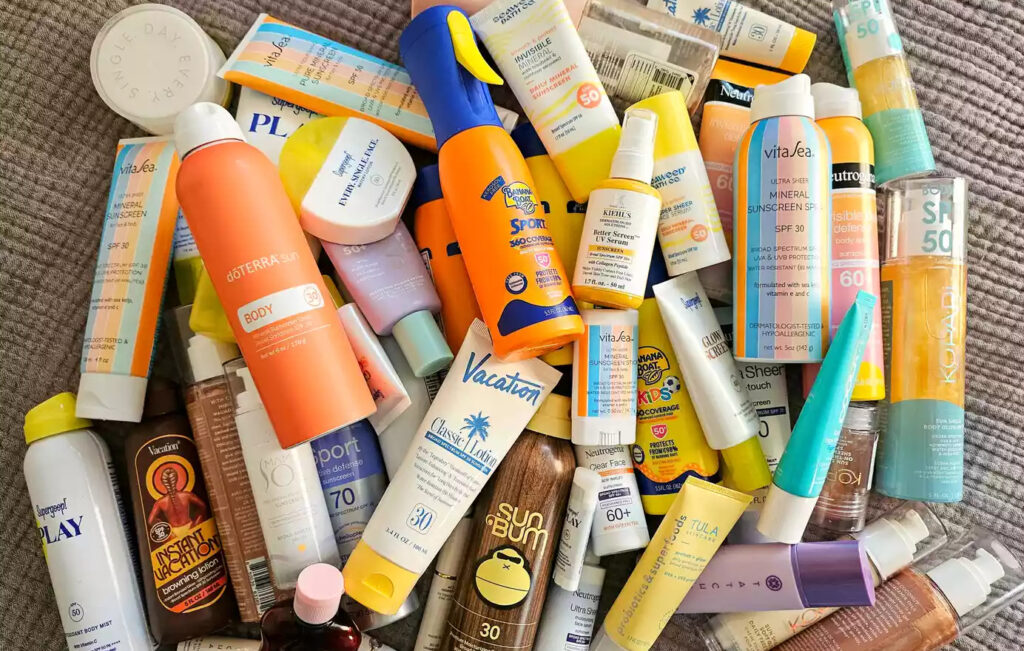
Different types of sunscreen products also need different development plans:
| Format | What to assess |
|---|---|
| Sunscreen lotions and creams | Spreading, skin feel, stability, and dispensing |
| Light facial fluids | Even coverage, settling, and use under makeup |
| Sunscreen sticks | Glide, coverage, heat stability, and pack function |
| Sprays | Spray delivery, application safety, and production needs |
Test visible cast on the skin tones your product is intended for. A clear finish or pleasant feel does not prove protection. Both user experience and test results matter.
How the Sunscreen Manufacturing Process Works
The exact process depends on the formula. A water-free stick will not follow the same steps as a lotion. For many sunscreen emulsions, the main stages are:
- Check raw materials. Confirm identity, quality, batch details, and the amount of each ingredient.
- Prepare the phases. Weigh and prepare the oil and water parts as required by the formula.
- Add and disperse UV filters. Follow the approved order and mixing conditions to limit clumps and uneven distribution.
- Blend and finish. Combine the phases, cool as directed, and add heat-sensitive materials at the right stage.
- Check the bulk product. Review appearance, flow, uniformity, and other agreed specifications.
- Fill and seal. Use the approved pack and check fill weight, seals, and batch codes.
Silverson’s sunscreen processing guide highlights the importance of powder dispersion and mixing. The equipment must suit the ingredients, batch size, and final texture.
A good lab sample is only the starting point. Scale-up must show that the production process can reproduce it. Keep batch records so each finished order can be traced to its materials and process.
Verify SPF and Other Protection Claims
Sun protection factor (SPF) measures protection against sunburn under a defined test method. It is not a promise of how many hours someone can stay in the sun.
Each test answers a different question:
- SPF testing: Supports the stated sunburn protection level.
- UVA or broad-spectrum testing: Checks protection beyond the SPF result alone.
- Water-resistance testing: Supports a specific water-resistant claim.
- Stability testing: Checks changes during storage and helps support shelf life.
- Microbial testing: Checks microbial quality and, where relevant, how well the preservation system works.
Under US rules, water-resistant labels state 40 or 80 minutes based on testing. Sunscreen should not be described as waterproof. See the FDA’s sunscreen testing guidance for details.
Check that reports match the formula version you will order. Changes to fragrance, tint, filters, or processing need review. Do not assume an old report still applies.
Approve Packaging With the Formula
Test sunscreen in the actual tube, bottle, pump, or stick pack. Check leaks, dispensing, seals, and changes during storage.
A lab sample in a jar does not show how the product will flow through a small pump. Nor does an attractive pack prove it will protect the formula during shipping.
Keep enough label space for directions, warnings, and required product details. Agree who reviews the artwork before printing.
Compare Private Label Costs and Lead Times
An existing formula may reduce development work, but its tests and documents must still fit your project. Custom development may involve more sample rounds and testing.
Ask the quote to separate formula work, samples, lab tests, packaging, and production. Confirm the minimum order for each size or variant. Agree who pays for revisions and retesting if a trial misses its target.
Plan development, testing, packaging purchases, production, and shipping as separate stages. A production lead time does not cover the whole launch.
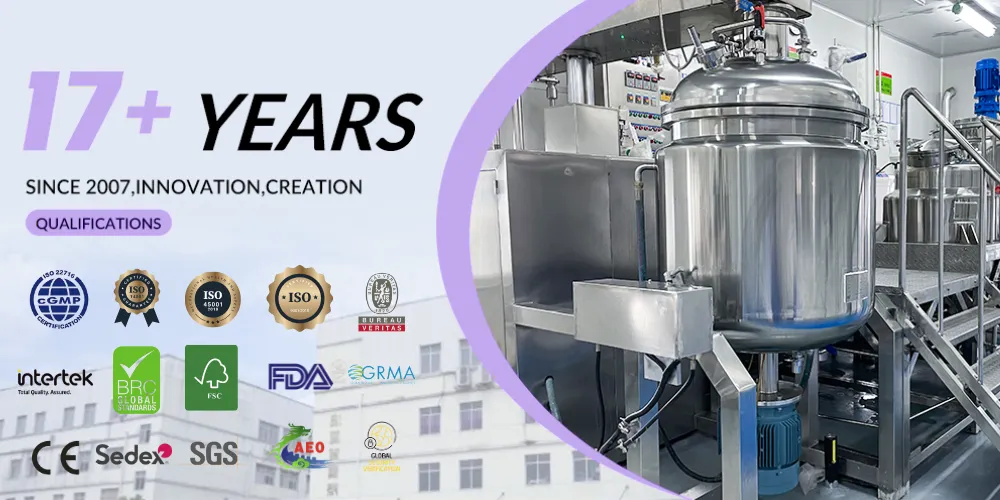
Send Xiangxiang Daily your target market, format, protection goals, pack size, and quantity. Factory visits are welcome by appointment to discuss the project and confirm the work, facilities, and outside testing it requires.