Cosmetics contract manufacturers help brands turn product ideas into finished goods. Depending on the project, their services may include formula development, production, filling, and packaging.
The right partner depends on what you want to sell, where you plan to sell it, and how much control you need over the formula. This guide explains how to compare manufacturers, prepare a product brief, and review the costs before placing an order.
What Do Cosmetics Contract Manufacturers Do
A cosmetics contract manufacturer produces beauty or personal care products for another business. The brand sells the finished products under its own name, while the manufacturer handles the agreed production work.
Some manufacturers provide a full service, from product development to finished packaging. Others focus on one stage, such as bulk production, filling, or labeling.
Common services include:
- Reviewing a product idea and technical brief.
- Developing a new formula or offering an existing one.
- Preparing samples for the brand to review.
- Sourcing ingredients and packaging.
- Producing and filling the product.
- Carrying out agreed quality checks.
- Supporting label review and shipping documents.
Services differ between suppliers. Before you request a quote, confirm which tasks the manufacturer will handle and which remain your responsibility.
Cosmetics Contract Manufacturers to Consider
The following examples show different types of manufacturing partners. This is not a ranking, and each company’s services and project requirements should be confirmed directly.
Xiangxiang Daily
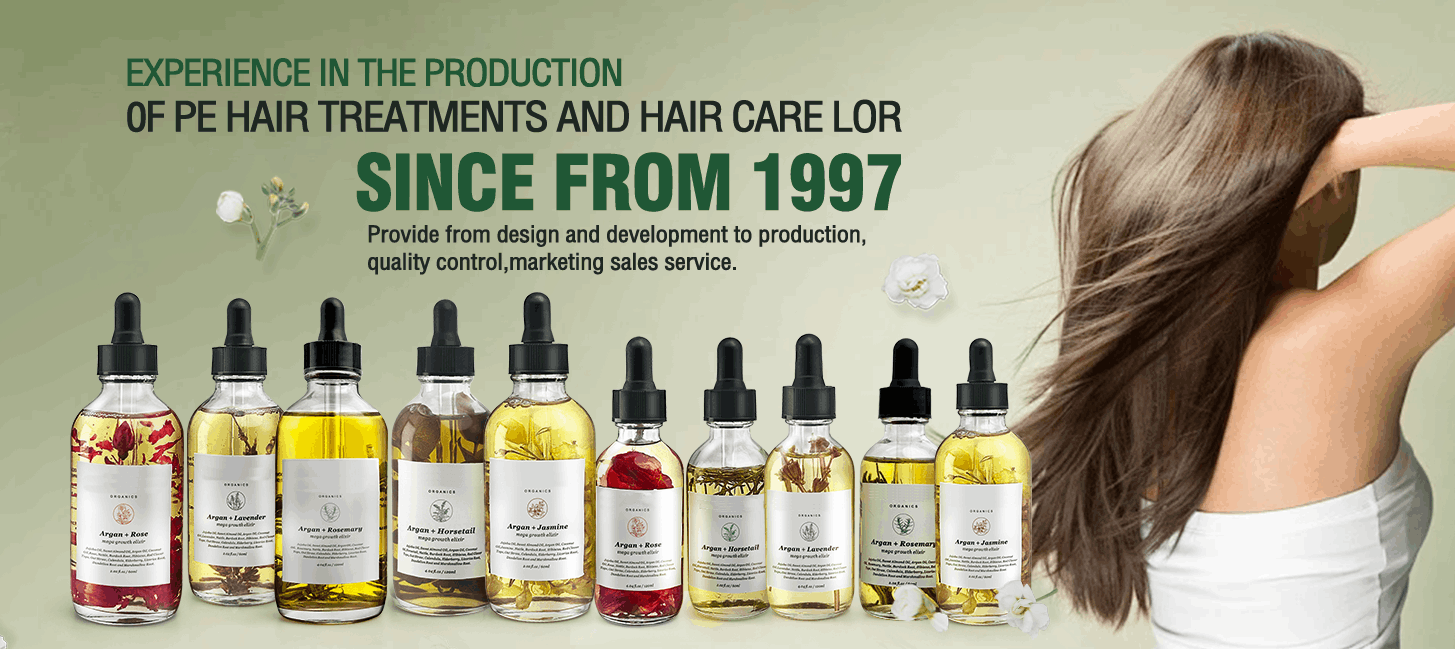
Xiangxiang Daily is a personal care manufacturer based in Guangzhou, China. We support brands working on private label and OEM/ODM projects across skin care, hair care, and body care.
Brands can discuss product ideas, samples, formula options, packaging, and production requirements with our team. The available options, MOQ, and lead time depend on the product and project brief.
Explore our private label skin care manufacturer and private label hair care manufacturer categories for examples of the product types we offer.
BPI Labs
BPI Labs describes its services as cosmetic formulation, manufacturing, filling, and packaging. The company is based in Wyoming, United States.
It may be relevant to brands looking for a US-based partner. Contact the company to confirm product categories, order size, and the scope of support for your project.
Voyant Beauty
Voyant Beauty describes a network of facilities serving beauty and personal care categories. Its website lists products such as skin care, hair care, and body care.
Brands comparing suppliers should ask which facility and services would apply to their product, along with the order requirements.
How to use this list: The best partner is not necessarily the largest or closest company. Compare each supplier against the same brief, including your product type, target market, quantity, and required services.
What Products Can a Cosmetics Contract Manufacturer Make
Manufacturers often specialize in certain formulas or packaging formats. A factory that produces creams may not offer the same service for pressed powder, mascara, or aerosol products.
Skin Care Products
Skin care projects may include facial cleansers, moisturizers, serums, and masks. Brands should discuss the desired texture, ingredient profile, packaging, and claims.
For example, a serum project may need a pump or dropper, while a cream may require a jar or tube. The formula and pack should be checked together before production.
Hair Care Products
Common hair care products include shampoo, conditioner, hair masks, and scalp care. A project brief should explain the target hair type, desired feel, fragrance, and pack size.
If you plan a complete range, ask whether the manufacturer can keep the scent, design, and product experience consistent across formulas.
Body Care Products
Body care may include body wash, lotion, scrub, and body oil. Texture is an important part of the sample review, especially when comparing a light lotion with a richer cream.
Brands can explore our private label body care manufacturer category and discuss which products fit their project.
Makeup and Other Categories
Some cosmetics contract manufacturers also produce foundation, lipstick, powder, and other makeup products. These formats may require different equipment and expertise from skin care or hair care.
Before requesting a quote, confirm that the supplier can produce your exact product type. Do not assume that every cosmetics factory offers every category.
Contract Manufacturing vs Private Label: What Is the Difference
The terms can overlap, and suppliers do not always use them in the same way. The main difference to discuss is how much of the formula and product design already exists.
Private Label
In many projects, private label starts with a manufacturer’s existing formula. The brand then sells the product with its own name and packaging.
This can be useful when you want to review an existing sample before deciding on a product. Ask which changes are available and whether other brands can use the same base formula.
Custom Contract Manufacturing
A custom project may begin with a new brief or a formula supplied by the brand. The manufacturer then agrees to develop or produce the product according to the project terms.
Custom work can involve more decisions and review stages. Before development begins, agree on who owns the formula and what each party can use after the project ends.
OEM and ODM
OEM and ODM describe different manufacturing arrangements, but their meaning varies between suppliers. Instead of relying on the label alone, ask who develops the formula, who owns it, and what can be customized.
How to Choose the Right Cosmetics Contract Manufacturer
1. Check Product and Formula Experience
Choose a supplier with relevant experience in your product type. Ask for examples of the formats it produces, such as creams, shampoos, oils, or masks.
If your brief includes a particular ingredient or claim, discuss it early. The supplier should explain what it can review and what still needs testing.
2. Compare MOQ and Production Scale
The minimum order quantity, or MOQ, is the smallest amount a supplier will accept for an order. It may depend on the formula, pack size, container, label, and raw materials.
Ask whether the MOQ applies per product, fragrance, size, or design. A quote for several products may have a different minimum for each item.
Also discuss future orders. If your first launch performs well, you will want to know how the supplier handles repeat orders and larger volumes.
3. Review Samples Carefully
A sample gives you a chance to assess the product before you commit to production. Review the color, scent, texture, ease of use, and how the product works with its packaging.
Record the changes you want in one clear list. Ask how many sample revisions are included and whether further changes affect cost or timing.
4. Ask About Quality and Documentation
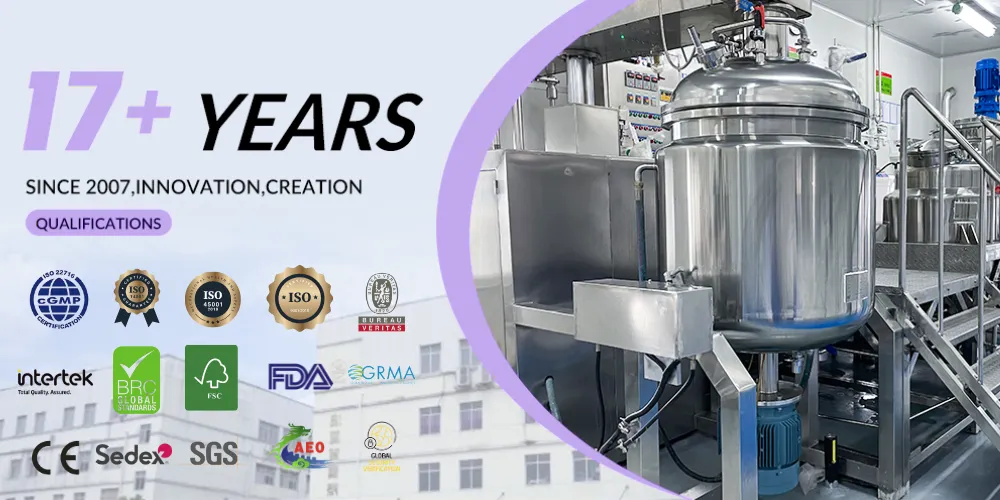
Ask what checks the manufacturer performs on ingredients, packaging, and finished batches. You can also request details of relevant quality procedures and current certifications.
For each certificate, check the issuing body, validity, and the facility or activity it covers. A certificate should match the actual production site and service used for your order.
5. Confirm Target Market Support
Cosmetic rules and label requirements vary by market. Tell the supplier where you plan to sell before finalizing the formula and packaging.
Ask which documents the manufacturer can provide and who will handle local review, notification, or registration when required. The brand or local importer may have responsibilities that the factory cannot take over.
What Affects the Cost of Contract Manufacturing
A quoted unit price is only one part of the budget. The full cost depends on your formula, order size, packaging, and the services included.
When comparing quotes, ask suppliers to separate the following where relevant:
- Formula development or sample fees.
- Ingredients and bulk production.
- Bottles, jars, pumps, caps, and labels.
- Boxes, printing, and design work.
- Testing and product documentation.
- Freight, insurance, duties, and local handling.
Also confirm the delivery terms and payment schedule. A lower unit price may not be the lowest total cost if it excludes packaging, testing, or shipping.
How Long Does a Cosmetics Manufacturing Project Take
Timing depends on the type of project. An existing formula with standard packaging may need fewer development steps than a custom formula with a new bottle and artwork.
Ask the manufacturer for a schedule covering each stage:
- Brief review and quotation.
- Sample preparation and revisions.
- Formula and packaging approval.
- Any agreed testing and document review.
- Production, filling, and final checks.
- Shipping and arrival at the destination.
Build time into the plan for feedback and changes. Confirm when the production lead time begins, since some suppliers start the clock only after samples, artwork, packaging, and payment are approved.
What to Include in Your First Inquiry
A clear brief makes it easier for a manufacturer to assess your project and prepare a useful quote. Include:
- Your product type and intended customer.
- The market where you plan to sell.
- Your preferred formula or key ingredients.
- Desired texture, scent, size, and packaging.
- Expected order quantity and target price range.
- Any claims, testing, or certification needs.
- Your preferred launch date.
If you are unsure about some details, share what you know and identify the decisions you need help with. This gives the supplier a starting point without suggesting that every option is already confirmed.
Frequently Asked Questions
Do I Need My Own Formula to Work With a Contract Manufacturer
Not always. Some manufacturers offer existing formulas, while others can discuss custom development or production of a formula supplied by the brand. Confirm the available options with each supplier.
Who Owns the Formula
Formula ownership depends on the agreement. An existing private label formula may remain the supplier’s property. For custom work, discuss ownership, exclusivity, and access to the formula before paying development fees.
Can a Manufacturer Provide Packaging
Many manufacturers can help source packaging, but the choices depend on the project. Ask who supplies each component and who checks that the packaging works with the formula.
Can a Startup Work With a Cosmetics Contract Manufacturer
Yes. Startups can work with a manufacturer if the project matches the supplier’s order requirements and services. Start with a clear brief and ask about sample costs, MOQ, and the full launch budget.
Discuss Your Cosmetics Manufacturing Project
Xiangxiang Daily supports brands developing skin care, hair care, and body care products. Whether you are reviewing an existing product idea or planning a custom range, our team can discuss the formula, packaging, and production needs with you.
Share your product type, target market, expected order quantity, and any specific requirements. We can then review the project and confirm the available options.