Body butter vs lotion is mainly a choice of texture and skin feel. Body butter is often thick and rich, while body lotion is usually lighter and easier to spread. Both can help soften dry skin and reduce moisture loss.
The right moisturizer for your skin depends on how dry it feels and what texture you enjoy using. A lotion may be enough for daily care. A richer butter may feel more comfortable on dry areas such as elbows and knees.
Neither name guarantees a better result. The complete formula matters more than whether the label says “butter” or “lotion.”
Body Butter vs Lotion at a Glance
| Feature | Body Butter | Body Lotion |
|---|---|---|
| Typical texture | Thick and rich | Light and easy to spread |
| Common ingredients | Oils and butters, such as shea butter or cocoa butter | Water, moisturizing ingredients, and oils |
| Water content | May contain water or be water-free | Usually contains water |
| Skin feel | Often leaves a richer finish | Often feels lighter and absorbs quickly |
| Common use | Dry areas or when a rich feel is preferred | Daily use over larger areas |
These are general differences. Some lotions feel rich, and some whipped body butters feel light. Check the ingredients and try the product to understand its finish.
What Is the Difference Between Body Butter and Lotion
Body Butter
Body butter is a moisturizer often made with plant oils and butters. Shea butter and cocoa butter are common examples. These ingredients help soften skin and reduce water loss.
Some body butters contain no water. Others combine water with oils and butters in a cream-like formula. Both can be called body butter, so do not assume every jar has the same structure.
A rich butter can leave a noticeable layer on the skin. Some people enjoy that feeling, while others prefer a lighter finish.
Body Lotion
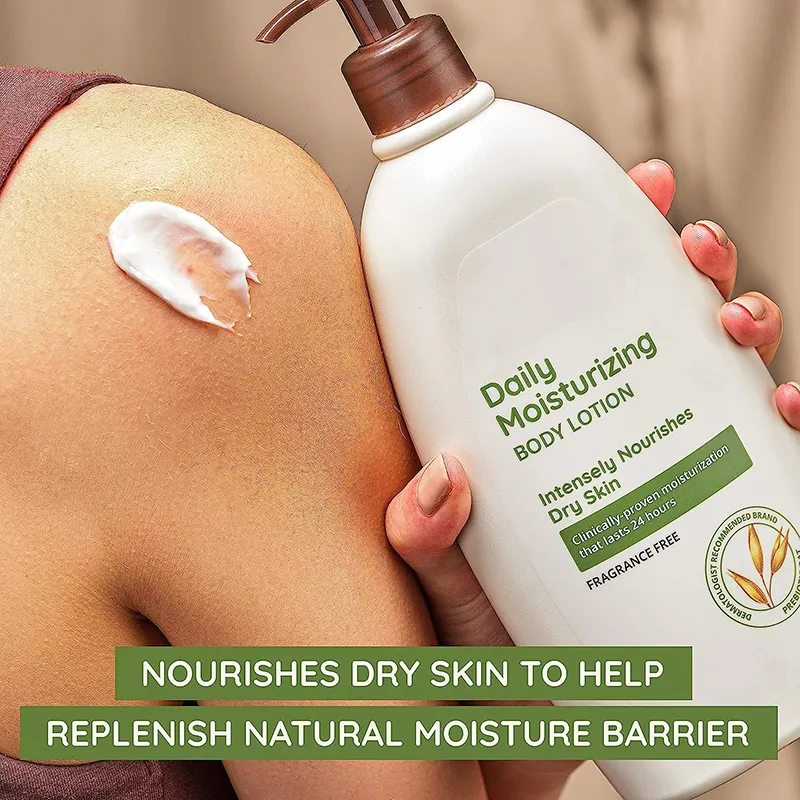
Body lotion usually combines water with oils and moisturizing ingredients. It may contain glycerin, which helps attract water, along with ingredients that soften skin and slow moisture loss.
Many lotions spread easily and suit a quick body care routine. However, a lotion can also be made for dry skin. A lightweight texture does not mean it cannot moisturize effectively.
A lotion often has a higher water content than a water-free butter. However, the water content and skin feel vary between formulas.
Is Body Butter or Lotion Better for Dry Skin
For mild dryness, start with a lotion that leaves your skin feeling comfortable. If your skin still feels tight, try a richer cream or body butter. You may also prefer a thicker product only on areas that need extra care.
A rich body butter may be ideal for dry areas when you enjoy a heavier finish. However, it is not the only option. A well-formulated cream or lotion may also meet your needs.
For very dry skin, the American Academy of Dermatology recommends a cream or ointment rather than a lotion. A body butter may feel rich, but check its formula and how your skin responds.
Look for a moisturizer you will use regularly. A comfortable product applied after bathing can be more useful than a rich one you dislike wearing.
If your skin remains very itchy, painful, or cracked despite care, speak with a dermatologist. Dryness may need more than a change of moisturizer.
How to Choose for Your Skin Type and Routine
Normal or Slightly Dry Skin
A body lotion may provide enough moisture for everyday use. Choose a texture that feels comfortable under clothing and does not leave more residue than you like.
Dry or Rough Areas
Try a richer moisturizer on elbows, knees, hands, or feet. Apply enough to cover the area, then give it time to settle before dressing.
Sensitive Skin
Choose fragrance-free products if fragrance irritates your skin. A formula with shea butter is not automatically suitable for everyone. Test a small area first and stop using it if irritation occurs.
Warm and Cold Weather
You may prefer a lighter lotion during warm weather and a richer product when the air feels dry. The choice depends on your skin and comfort, not the season alone.
How to Use Body Butter and Lotion
Apply After Bathing
After a shower, gently pat your skin dry. Apply your chosen moisturizer while the skin is still slightly damp. This helps reduce moisture loss and keeps skin feeling soft.
You may see the phrase “locks in moisture” on a product label. This usually means the formula helps slow water loss; it does not mean the skin is completely sealed.
Use enough to cover the area without rubbing too hard. If your skin feels dry later, reapply as needed.
Can You Use Body Butter and Lotion Together
Yes. You can use lotion over your body and add a small amount of body butter to areas that need a richer feel. Start with lotion, then apply the butter after the lotion has settled.
Layering is optional. If one product keeps your skin comfortable, you do not need to use both. A water-free butter can also be applied to slightly damp skin on its own.
Can You Use Them Every Day
Most ordinary body moisturizers can be used daily as directed. If a product contains exfoliating acids or other active ingredients, follow its specific instructions. Stop using any formula that causes irritation.
What Body Care Brands Should Consider
For brands, body butter and lotion can serve different roles in the same range. A lotion may offer an easy-to-spread daily option, while a butter can provide a richer texture for customers who prefer it.
When comparing samples, assess the finish as well as the ingredient list. Check spread, absorption feel, residue, fragrance, and how comfortable skin feels after use.
Packaging also needs to match the formula. A pump may suit a fluid lotion, while a jar or tube may work for a thicker butter. Before production, review stability and packaging compatibility. Formulas containing water also need an appropriate preservation strategy and testing.
The bottom line for brands is to give each product a clear role. The best choice depends on your skin, your preferred texture, and how you plan to use it.
Explore Xiangxiang Daily’s private label body lotion and cream manufacturer page for lotion, cream, and body butter options. Share your preferred texture, target customer, and packaging to guide sample development.