Body butter vs body lotion is a common question for shoppers with dry skin. It is also useful for body care brands that want to build a clear product line.
The simple answer is this: body butter is usually richer and thicker. Body lotion is usually lighter and easier to spread.
Both products can help skin feel soft. But they do not feel the same. They also fit different skin needs, seasons, climates, and sales channels.
For B2B buyers, this comparison can help with product planning. A personal care manufacturer can help brands choose the right texture, ingredient story, packaging, and retail position.
1) Main Difference
Body butter is a rich body moisturizer. It often uses a higher level of butters, oils, and emollients. It feels creamy, dense, and nourishing.
Body lotion is lighter. It usually has a higher water content than body butter. It also often uses humectants such as glycerin, aloe vera, or hyaluronic acid to support daily hydration.
Because of this higher water content, lotion spreads faster and absorbs more quickly. Body butter feels richer and stays longer on very dry areas.
The main difference is texture, water content, and skin feel.
| Product Type | Texture | Best For | Common Positioning |
|---|---|---|---|
| Body Butter | Thick, rich, creamy | Very dry skin, night care, winter care | Nourishing, soft, rich moisture |
| Body Lotion | Light, smooth, easy to spread | Daily use, hot weather, normal to dry skin | Hydrating, fresh, non-greasy |
For brands, this difference matters. A heavy butter may look premium. A light lotion may sell better for daily use and humid markets.
Xiangxiang Daily supports this category through private label body lotion manufacturer services for global body care brands.
2) Which Is Better for Dry Skin
For very dry skin, body butter may feel better. It gives a richer layer on the skin. It can be useful at night, after showering, or during dry seasons.
For normal to dry skin, body lotion may be enough. It feels lighter and is easier to use every day.
The best choice depends on skin type, weather, use time, and texture preference.
Some consumers like to use both. They may use lotion in the morning and body butter at night. This creates a simple body care routine.
For brands, this is a useful product set idea. A daily lotion and rich butter can be sold together as a dry skin care set.
Body butter: Best for rich moisture, dry areas, night care, winter care, and premium body care lines.
Body lotion: Best for daily hydration, hot weather, fast use, large body areas, and family care lines.
Body cream: A middle choice. It can feel richer than lotion but lighter than butter.
3) Formula Packaging and Product Ideas
Body butter and body lotion can use similar ingredients. But the formula balance is different.
Body lotion usually has a higher water content, so it feels lighter and easier to spread. Body butter usually has more oils, butters, and rich emollients, so it feels thicker and more nourishing.
Common body butter ingredients: Shea butter, cocoa butter, mango butter, coconut oil, sunflower oil, jojoba oil, beeswax alternatives, and rich emollients.
Common body lotion ingredients: Water, glycerin, aloe vera, hyaluronic acid, panthenol, niacinamide, light oils, silicones, and botanical extracts.
For dry skin: Shea butter, cocoa butter, glycerin, ceramides, oat extract, and panthenol can support a soft and comforting story.
For glow care: Niacinamide, vitamin-style ingredients, licorice extract, fruit extracts, and light oils can support even-looking skin language.
For fragrance lines: Vanilla, coconut, rose, musk, lavender, tropical fruit, and clean scent notes can help build shelf appeal.
The ingredient story should match the texture. A “rich moisture” claim fits butter well. A “light daily hydration” claim fits lotion better.
Packaging should also match the formula and use habit.
Body butter packaging: Jars are common. They show a rich cream texture and feel premium. Tubes can also work for cleaner use.
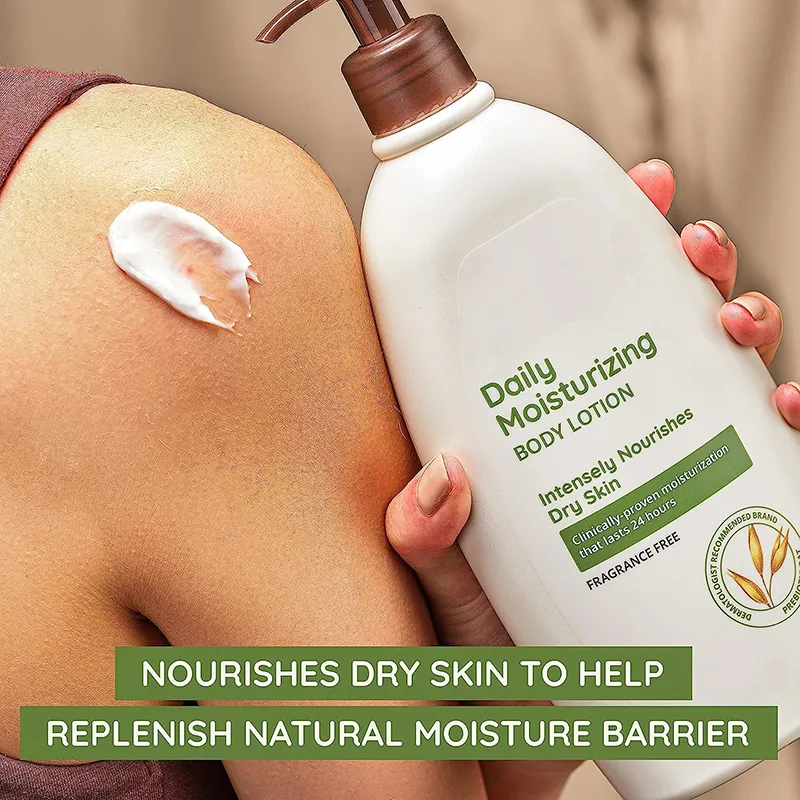
Body lotion packaging: Pump bottles, squeeze bottles, and tubes are common. They are easy for daily use.
Mini packaging: Small jars and tubes are useful for gift sets, travel kits, sampling, and online bundles.
Salon size: Larger pump bottles can work for spas, salons, hotels, and backbar use.
Body butter and body lotion can also work together in one product line.
- Daily Hydration Lotion for normal to dry skin.
- Rich Shea Body Butter for dry skin and night care.
- Bright Body Lotion with glow care positioning.
- Coconut Body Butter for tropical scent lines.
- Fragrance Layering Lotion for body mist sets.
- Spa Body Cream for salon and hotel channels.
- Travel Body Care Set for e-commerce bundles.
As a private label body care manufacturer, Xiangxiang Daily can help brands plan body care products with matching textures, scents, and packaging.
4) Market Fit and Body Care Routine
Market fit is important. The best product is not the same in every country.
In humid markets, shoppers may prefer body lotion. A light, fast-absorbing, non-greasy feel can work better.
In dry seasons or dry skin markets, body butter may have stronger value. A rich texture can feel more comforting.
For the Philippines, light lotion, fresh scent, and non-sticky texture may be useful product angles.
For Nigeria, shea butter, cocoa butter, rich scent, glow care, and dry skin positioning may have stronger appeal.
For beauty retailers, product sets can work well. A lotion, butter, scrub, and body mist can create a full body routine.
A simple routine can look like this:
- Cleanse with body wash.
- Exfoliate with body scrub one or two times a week.
- Use body lotion after showering.
- Use body butter on very dry areas.
- Add body oil or body mist for glow and scent.
This routine also helps B2B buyers build product sets.
Useful internal product links include body wash manufacturer support for cleansing products, body scrub manufacturer support for exfoliating products, and private label body oil manufacturer support for glow and massage products.
5) B2B Manufacturing and Quality Checks
A B2B product page should be easy to scan. Buyers want to understand the texture, ingredients, scent, packaging, and target market quickly.
Useful product page angles include:
- Body butter for dry skin body care lines.
- Light body lotion for daily hydration.
- Shea butter body cream for retail brands.
- Coconut body butter for tropical scent lines.
- Bright body lotion for glow care products.
- Body lotion and body butter set for beauty retailers.
- Mini body care set for online bundles.
- Spa body cream for salon and hotel channels.
Product photos should show texture clearly. Cream swatches, jar close-ups, pump bottle use, shower routine sets, and scent visuals can help buyers understand the product faster.
A related GSC-performing article, body lotion review and scent guide, can also support scent and product selection content inside the body lotion cluster.
Claim language should be clear and safe. Brands should avoid medical or unsupported treatment wording.
Better cosmetic wording includes:
- Helps skin feel soft and smooth.
- Supports daily body hydration.
- Rich texture for dry skin care routines.
- Light feel for daily use.
- Leaves skin feeling comfortable.
- Helps improve the feel of rough skin.
- Supports a glowing skin look.
- Non-greasy feel for everyday body care.
For glow or bright body care products, brands should use careful wording. Phrases such as “even-looking skin,” “radiance,” and “glow care” are safer than strong whitening claims.
Body butter and body lotion also need different quality checks. Rich formulas need stability. Light formulas need good skin feel and pump performance.
Important checks may include:
- Appearance, color, scent, and texture stability.
- Heat and cold stability.
- Separation and oil bleeding review.
- Jar, tube, bottle, and pump compatibility.
- Skin feel and residue level.
- Microbial control and preservative review.
- Label adhesion and carton strength.
Body butter may soften in hot weather. Lotion may separate if the emulsion is not stable. These issues should be checked before shipment.
Brands can review cosmetic quality control needs before confirming bulk production.
6) Questions Before Sampling
Before starting a body butter or body lotion project, brands should prepare a simple product brief.
Useful questions include:
- Do you want body butter, body lotion, body cream, or a full set?
- Is the product for dry skin, daily hydration, glow care, or fragrance layering?
- Should the texture feel rich, light, creamy, fresh, or fast-absorbing?
- Do you prefer shea butter, cocoa butter, aloe vera, niacinamide, or hyaluronic acid?
- Do you want jar, pump bottle, tube, sachet, or mini packaging?
- Which market and sales channel will the product target first?
- Do you need retail packaging, wholesale packaging, or gift set packaging?
If your brand needs full production planning, cosmetics manufacturing support can help connect formula, packaging, filling, and export needs.
Conclusion: Body butter vs body lotion is mainly a question of texture, skin feel, and use case. Body butter is richer and better for very dry skin. Body lotion is lighter and better for daily use.
For body care brands, both products can be useful. A lotion can support daily hydration. A butter can support rich moisture and premium dry skin care.
If you are building a body care line, Xiangxiang Daily can help you develop body lotion, body butter, body cream, body scrub, body wash, and body oil products with matching formula direction and packaging.
For custom body moisturizers, our body lotion and cream manufacturer service can support retail brands, distributors, e-commerce sellers, salons, spas, and wholesale buyers.
FAQ — Body Butter vs Body Lotion
Q1: What is the main difference between body butter and body lotion?
Body butter is usually thicker and richer. Body lotion is usually lighter and easier to spread.
Q2: Is body butter better than body lotion for dry skin?
Body butter may feel better for very dry skin. Body lotion can work well for normal to dry skin and daily use.
Q3: Can a brand sell body butter and body lotion together?
Yes. A daily lotion and rich body butter can work well as a dry skin body care set.
Q4: What ingredients are common in body butter?
Shea butter, cocoa butter, mango butter, coconut oil, sunflower oil, jojoba oil, and rich emollients are common choices.
Q5: What ingredients are common in body lotion?
Glycerin, aloe vera, hyaluronic acid, panthenol, niacinamide, light oils, and botanical extracts are common choices.
Q6: What packaging is best for body butter?
Jars are common for body butter. Tubes and mini jars can also work for cleaner use, travel kits, and gift sets.
Q7: What packaging is best for body lotion?
Pump bottles, squeeze bottles, tubes, and mini bottles are common. The best choice depends on texture, price level, and sales channel.
Q8: What should brands prepare before contacting a manufacturer?
Prepare your target market, texture goal, ingredient story, scent direction, packaging idea, benchmark product, and sales channel.