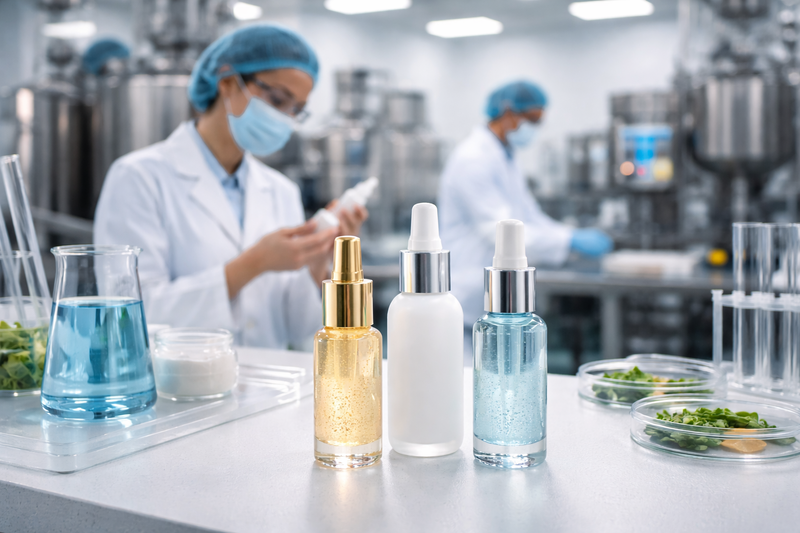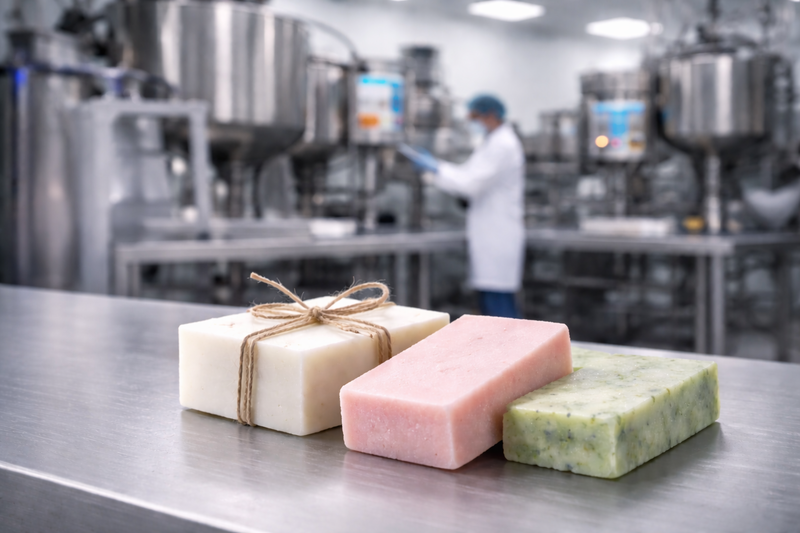

Private Label Skin Products help brands launch skincare products under their own name.
This model is useful for retailers, distributors, e-commerce sellers, salon brands, and personal care companies.
It can save time.
It can also reduce early product development risk.
But choosing the right product is not only about picking a serum, cream, or cleanser.
You also need the right formula, texture, packaging, custom labeling, claims, quality standards, and supplier support.
A product may look simple from the outside.
But behind it, many details affect quality and repeat purchase.
This guide explains how to choose Private Label Skin Products, compare ready formulas and custom formulations, and build a high quality product line for your brand.
As a personal care manufacturer, Xiangxiang Daily focuses on skin care, body care, and hair care products for private label and OEM/ODM buyers.
What Are Private Label Skin Products?
Private Label Skin Products are skin care products made by a manufacturer and sold under your brand name.
The manufacturer provides the formula, production, filling, and packaging support.
Your brand controls the product name, label design, packaging style, market positioning, and sales channel.
This model works for both small launches and larger retail programs.
It is also useful when a brand wants to expand from one category into a full personal care line.
Common private label skincare products include:
- Facial cleanser.
- Face serum.
- Moisturizer.
- Facial cream.
- Sunscreen.
- Face mask.
- Eye cream.
- Body lotion.
- Body wash.
- Body oil.
The main goal is not to launch as many products as possible.
The goal is to choose products that fit your buyers.
A TikTok Shop product may need a clear ingredient story and strong visual packaging.
A supermarket product may need simple claims, stable supply, and a good price point.
A distributor may care more about repeat orders, shelf stability, and packaging durability.
For skin care category planning, buyers can review our private label skin care manufacturer page.
Why Brands Choose Private Label
Private label is popular because it makes product launch faster.
Brands do not need to build their own factory.
They do not need to start every formula from zero.
They can work with an experienced supplier and focus on branding, channel, and sales.
This is helpful for many buyer types.
| Buyer Type | Main Goal | Best Product Direction |
|---|---|---|
| E-commerce seller | Fast market testing | Serum, sunscreen, moisturizer, face mask |
| Retail buyer | Repeat purchase | Cleanser, moisturizer, body lotion, body wash |
| Distributor | Stable supply | Simple daily-use skincare products |
| Salon or spa brand | Professional routine building | Mask, serum, body oil, cream |
| Personal care brand | Full line expansion | Skin care, body care, and hair care sets |
Private label also gives buyers flexibility.
You can start with a ready formula.
You can later move to custom formulations.
You can test one product first.
Then you can build a stronger product line when the market response is clear.
Popular Product Ideas for Skin Care Brands
The best product depends on your market.
Do not choose products only because they are trending.
Choose products that solve clear customer needs.
Daily-use products are often easier to repeat purchase.
Ingredient-led products can work well online.
Body care products can help a skin care brand build a wider personal care line.
| Product Type | Best For | Common Positioning |
|---|---|---|
| Facial cleanser | Daily skin care routines | Gentle cleansing, fresh skin feel |
| Moisturizer | Retail and repeat purchase | Hydration, softness, barrier care |
| Serum | Ingredient-led online brands | Vitamin C, niacinamide, hyaluronic acid |
| Sunscreen | Hot and sunny markets | Lightweight feel, SPF, no white cast |
| Face mask | Retail and gift sets | Hydration, soothing care, bright-looking skin |
| Body lotion | Body care extension | Soft skin, non-greasy feel, fragrance story |
A good product line does not need too many items at the beginning.
Many buyers start with three to five products.
This makes sampling easier.
It also makes inventory easier to control.
It reduces packaging pressure.
It helps the brand explain the routine more clearly.
For body care extensions, buyers can review our private label body care manufacturer category.
How to Choose the Right Products
Start with the target user.
Then think about climate, channel, price level, skin concern, and product routine.
A hot and humid market usually needs lighter textures.
A dry climate may need richer creams or lotions.
A clean beauty brand may need a simpler ingredient story and gentle claim wording.
A mass retail line may need products that are easy to understand in a few seconds.
Before choosing products, ask these questions:
- Who is the target customer?
- What skin concern does the product support?
- Is it for daily use or special care?
- Will it be sold online, offline, or through distributors?
- Should the texture be lightweight or rich?
- Does the market prefer fragrance-free or scented products?
- What package size fits the target price?
- What claims are safe and realistic?
- Does the product need clean beauty positioning?
- Does the formula need special quality standards?
For e-commerce, the product page should explain texture, use steps, and ingredient story.
For retail, packaging clarity matters more.
For distributors, stable quality and reliable supply are very important.
For hot markets, lightweight texture can be a key selling point.
For sensitive skin positioning, fragrance level and claim wording need more control.
For premium lines, packaging feel and formula texture must match the price.
Ready Formulas vs Custom Formulations
Private label buyers usually choose between ready formulas and custom formulations.
Both options can work.
The right choice depends on launch speed, budget, product difference, and long-term brand plan.
| Option | Best For | Main Advantage | Main Limit |
|---|---|---|---|
| Ready formula | Fast launch | Shorter sampling time | Less formula uniqueness |
| Custom formulation | Brand differentiation | More control over texture and claims | Longer development process |
| OEM/ODM project | Full product line planning | Formula, packaging, and production support | Needs clear project requirements |
A ready formula is useful when you want to launch quickly.
It is also useful for market testing.
You can check texture, scent, packaging, and customer response before investing in deeper development.
Custom formulations are better when your brand needs a more unique product.
For example, you may want to formulate products for oily skin, dry skin, sensitive skin, hot weather, or clean beauty positioning.
In that case, the manufacturer should help adjust texture, fragrance, viscosity, ingredients, packaging, and claim direction.
Custom formulas take more time.
They also need more sample feedback.
But they can help your product feel different from common market options.
For faster launch options, read our guide on ready to label skin care products.
Custom Labeling, Packaging, and Clean Beauty Positioning
Custom labeling is an important part of private label work.
The formula matters.
But the label is what buyers and consumers see first.
Your label should be clear, accurate, and consistent with your product positioning.
A label usually needs:
- Brand name.
- Product name.
- Net content.
- Ingredient list.
- Use directions.
- Warnings if needed.
- Batch or lot code.
- Manufacturer or distributor information.
- Storage instructions.
- Market-specific information.
Packaging also affects user experience.
A serum may use a dropper, pump, or airless bottle.
A moisturizer may use a jar, tube, or pump bottle.
A sunscreen should be easy to carry and easy to squeeze.
A high quality product needs both a stable formula and reliable packaging.
The package should not leak, crack, or react badly with the formula.
Clean beauty positioning also needs care.
It should be clear and realistic.
It should not become a vague slogan.
If your brand wants clean beauty positioning, define what it means for your market.
It may relate to fragrance level, ingredient selection, vegan claims, cruelty-free claims, simple formulas, or sensitive-skin-friendly positioning.
For factory-side checks, buyers can review our personal care quality control page.
How to Choose a Manufacturer
The manufacturer is as important as the product idea.
A good supplier should understand formulas, packaging, filling, labeling, quality checks, and export preparation.
Do not choose only by the lowest price.
A low price can create problems if the formula or packaging is weak.
It can also create problems if samples are good but bulk production is unstable.
When comparing manufacturers, check:
- Experience with skincare products.
- Experience with body care and hair care products.
- Ready formula options.
- Ability to create custom formulations.
- Sample development process.
- Packaging sourcing support.
- Custom labeling support.
- MOQ and lead time.
- Batch consistency.
- Stability testing support.
- Export documentation support.
A professional supplier should help you avoid unclear claims and unstable product decisions.
They should also help you build a product line that can grow over time.
Good communication is also important.
The supplier should ask about target market, product function, texture, packaging, price level, and order plan.
If a supplier only asks for quantity and price, the product planning may not be strong enough.
For a broader guide, read our article on how to choose a skin care manufacturer.
Quality Standards and Product Claims
Quality standards are important before bulk production.
Skin care products touch the face and body.
So the product experience must be stable.
Before placing a bulk order, buyers should check:
- Texture.
- Color.
- Odor.
- Skin feel.
- Absorption.
- Viscosity.
- Package compatibility.
- Leakage risk.
- Label accuracy.
- Batch consistency.
- Hot and cold stability.
Claim wording also matters.
Safe and clear claims are easier to support.
Safer claim directions include:
- Helps skin feel softer.
- Supports daily hydration.
- Leaves skin feeling smooth.
- Helps reduce dryness.
- Supports a fresh, clean skin feel.
- Helps improve the look of dull skin.
Avoid claims that sound medical or permanent.
Do not use unsupported claims such as “treats eczema,” “cures acne,” “repairs skin disease,” or “permanently changes the skin.”
FDA explains that cosmetic labeling claims can affect how a product is regulated. You can read the official guidance here: FDA cosmetics labeling claims.
For EU projects, buyers can also review the European Commission cosmetics legislation page here: EU cosmetics legislation.
Good quality control does not only happen at the end.
It starts from sample review.
It continues through raw material checks, filling, packaging, labeling, and final inspection.
This is why clear quality standards should be agreed before bulk production.
How to Build a Complete Product Line
A strong product line should be easy to understand.
It should not feel random.
Each product should have a clear role in the routine.
A simple skin care starter line can include:
- Cleanser.
- Serum.
- Moisturizer.
- Sunscreen.
- Face mask.
A body care extension can include:
- Body wash.
- Body lotion.
- Body scrub.
- Body oil.
- Body mist.
A full personal care line can also add hair care products.
This can help brands increase basket size and repeat purchase.
Hair care extension ideas include shampoo, conditioner, hair mask, hair oil, and scalp treatment.
For hair care product planning, buyers can review our private label hair care manufacturer category.
Simple Launch Plan
A simple launch plan can help reduce risk.
Start with the main product first.
Then add supporting products.
For example, a hydration line can start with cleanser, serum, and moisturizer.
Then it can add body lotion or face mask later.
A sun care line can start with sunscreen and moisturizer.
Then it can add body lotion, after-sun gel, or body mist later.
A personal care brand does not need to launch everything at once.
It needs a clear product story and stable quality.
Conclusion
Private Label Skin Products can help brands launch faster.
They can also help brands build a complete personal care line.
The key is to choose products with real demand, safe claims, stable quality, and clear positioning.
Do not choose products only because they are trending.
Choose products that match your customers, sales channels, climate, and price level.
A strong line can start with cleanser, serum, moisturizer, sunscreen, or face mask.
It can then expand into body care and hair care products.
For better results, work with a manufacturer that can support ready formulas, custom formulations, custom labeling, packaging, samples, production, and quality standards.
Xiangxiang Daily can support private label skin care, body care, hair care, packaging, samples, production, filling, quality checks, and export preparation for global personal care brands.
FAQ
What are Private Label Skin Products?
They are skin care products made by a manufacturer and sold under your own brand name.
The buyer can choose formulas, packaging, label design, and product positioning.
What skincare products should a brand start with?
A simple starter line can include cleanser, serum, moisturizer, sunscreen, and face mask.
Body lotion or body wash can be added for a wider personal care line.
Are ready formulas good for private label brands?
Yes.
Ready formulas are useful for faster launches and market testing.
Custom formulations are better when the brand needs stronger differentiation.
Can a manufacturer formulate products for my market?
Yes.
A manufacturer can formulate products based on target skin type, climate, texture, fragrance, packaging, and claim direction.
What is custom labeling?
Custom labeling means applying your brand name, product name, design, ingredients, directions, and required product information to the packaging.
It helps the product match your brand identity and market requirements.
What does clean beauty mean in private label skin care?
Clean beauty can mean different things in different markets.
It may relate to ingredient selection, fragrance level, vegan claims, cruelty-free claims, or simple formula positioning.
The claim should be clear and supportable.
How do I choose a private label manufacturer?
Check product experience, sample support, packaging ability, MOQ, lead time, quality control, and export support.
Do not choose only by price.
What claims are safer for skin care products?
Safer claims include hydration, softness, smooth skin feel, fresh skin feel, and improved appearance of dryness.
Avoid unsupported medical claims.
Can skin care products be combined with body care and hair care?
Yes.
Many personal care brands build complete lines that include skin care, body care, and hair care products.
Can Xiangxiang Daily develop Private Label Skin Products?
Yes.
Xiangxiang Daily can support private label skin care, body care, hair care, samples, packaging, production, filling, quality checks, and export preparation.