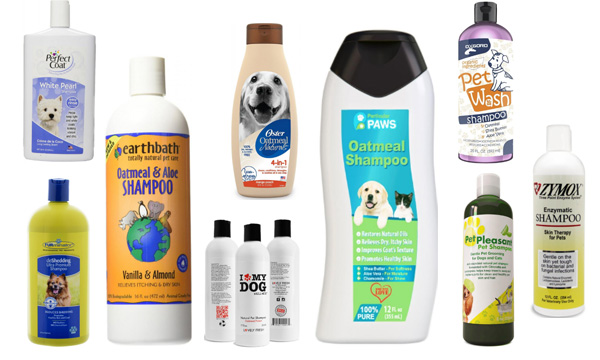
The best dog shampoo is one made for dogs that suits your pet’s age, skin, coat, and reason for bathing. For a healthy adult dog, start with a routine cleansing formula and check the label for directions. If your dog has persistent itching, redness, sores, or hair loss, ask your veterinarian before choosing a product.
To compare dog shampoo formulas, look beyond the ingredient highlighted on the front of the bottle. The complete formula, intended animal, fragrance, dilution instructions, and your dog’s previous reactions all matter.
How to Choose the Right Dog Shampoo Formula
Start with your dog’s current needs, then choose a product designed for that situation. The following guide can help narrow your options.
| Your dog’s needs | What to look for | What to keep in mind |
|---|---|---|
| Healthy adult dog | A routine cleanser labeled for dogs | Choose a formula that rinses well and suits your dog’s coat. |
| Puppy | A product labeled for puppies and suitable for your puppy’s age | Check the minimum age and ask your vet if you are unsure. |
| Mildly dry skin | A moisturizing dog shampoo; some contain colloidal oatmeal | One ingredient does not guarantee that the whole formula will suit every dog. |
| Long or easily tangled coat | A dog shampoo with conditioning benefits, or a suitable separate conditioner | Consider how easily the product spreads and rinses through the coat. |
| Persistent itching, redness, odor, or hair loss | Veterinary advice before choosing a treatment | A regular shampoo cannot address every cause of a skin problem. |
For more detail on mild dryness and when to contact a vet, read our guide to shampoo for dogs with dry skin.
What Should You Look for in a Dog Shampoo Formula?
A Product Labeled for Dogs
Choose a shampoo intended for dogs rather than a human product. Dogs have different skin and grooming needs, and a product made for people may leave their skin dry or irritated.
Check the age guidance too. A product labeled for adult dogs may have different directions from one intended for puppies. If your puppy has a rash, hair loss, or ongoing flakes, speak with your veterinarian instead of trying several products.
Cleansing and Conditioning Ingredients
Shampoo contains cleansing ingredients that help remove dirt and excess oil. Some formulas also include ingredients intended to moisturize the skin or condition the coat.
For example, colloidal oatmeal appears in some dog shampoos marketed for dry or sensitive skin. It may be useful for mild dryness, but an oatmeal label does not establish that a product will suit every dog or treat a skin condition. Consider the complete formula and your pet’s history.
If your dog has reacted to a product before, keep the bottle or a photo of the full ingredient list. Your veterinarian can use that information when helping you choose another option.
Fragrance and Label Claims
A pleasant scent is not the same as a product being suitable for your dog. If fragrance has caused a reaction before, a fragrance-free formula may be an option to discuss with your vet.
Terms such as “natural” and “hypoallergenic” can help describe how a product is marketed, but they do not guarantee that a dog cannot react to it. Read the full label and stop using a product if irritation develops.
Everyday, Moisturizing, or Medicated Shampoo?
Everyday shampoo is intended for routine cleaning. It may suit a healthy dog that needs dirt and excess oil removed after normal activity.
Moisturizing shampoo is designed with dry skin or coat care in mind. It may be worth considering for mild dryness, but ongoing symptoms need a closer look.
Medicated shampoo is used for specific purposes and may have a required contact time or bathing schedule. Ask your veterinarian which product is appropriate and follow the label or your vet’s directions.
Flea shampoos also differ by product. Before using one, check whether it is appropriate for your dog and compatible with any existing flea treatment. A single bath should not automatically be assumed to provide ongoing protection.
Should Dog Shampoo Be Diluted?
Some dog shampoos are ready to use; others are concentrated. Check the bottle and dilute only as directed by the manufacturer or your veterinarian. Do not assume that a ratio used for one product applies to another.
If dilution is permitted, prepare the amount needed for that bath in a clean container. Do not pour leftovers back into the original bottle. Virginia Tech’s Veterinary Teaching Hospital recommends preparing diluted shampoo for the bath and cleaning and drying reusable mixing bottles after use.
Our guide to pet shampoo shelf life explains why an opened bottle and a product mixed with water may need different handling.
How to Bathe Your Dog Safely
- Prepare the coat. Gently brush out loose hair and manageable tangles. Ask a groomer for help with severe mats.
- Wet thoroughly. Use lukewarm water and keep it away from the eyes, ears, nose, and mouth.
- Apply as directed. Work the shampoo gently through the coat and follow any stated contact time.
- Rinse well. Check dense areas, under the legs, and between the toes for remaining product.
- Dry carefully. Press the coat with a towel. If using a dryer, use a cool or low setting and keep it moving.
Virginia Tech’s Veterinary Teaching Hospital notes that incomplete rinsing can irritate a pet’s skin.
How Often Should You Bathe Your Dog?
There is no schedule that fits every dog. Coat type, outdoor activity, skin condition, and the product used all affect bathing needs. A dog that gets muddy may need a bath sooner than one that stays mostly indoors.
If your dog uses a medicated shampoo, follow your veterinarian’s schedule. Contact your vet if you notice persistent scratching, redness, sores, an unusual odor, or hair loss.
What Should Pet Care Brands Consider?
When planning a dog shampoo, the intended user helps determine the product brief. A ready-to-use bottle for pet owners and a concentrate for professional groomers need different use instructions. Brands should also consider the target animal, age guidance, fragrance, packaging, and how the product will be stored.
Xiangxiang Daily supports private label pet shampoo projects. Brands can explore our private label pet shampoo guide for product planning and manufacturing considerations.
Final Thoughts
The right dog shampoo depends on your pet and the reason for bathing. Start with a product labeled for dogs, check the complete directions, and consider your dog’s skin and coat. When symptoms persist or a medicated product may be needed, let your veterinarian guide the choice.