Skincare manufacturing turns an idea into a product ready to sell. The work includes making the formula, checking materials, mixing, testing, filling, and packing. Each step helps the factory make batches that match the approved sample.
The method depends on the product. A face cream, cleansing oil, serum, and sheet mask may need different tools and steps.
A skincare brand can work with a Private Label Skin Care Manufacturer instead of building a factory. This guide explains the main choices, production steps, and checks to make before ordering.
Choose the Right Skincare Manufacturing Service
Manufacturing services may cover formula work, buying materials, testing, making, and packing. Some suppliers manage the whole project. Others handle only part of it.
White label usually starts with an existing formula sold under your brand. Contract manufacturing covers the production work agreed with a supplier. The formula may be yours or developed with the factory.
Ask who makes the formula, buys the packs, arranges tests, and prepares documents. Put these duties in writing.
| Service | How it works | What to check |
|---|---|---|
| White label or ready-formula private label | You sell an existing formula under your brand. | What can change and whether other brands use it. |
| Modified formula | The supplier changes an existing base. | Which changes need new tests. |
| Custom formulation | The supplier makes a new formula for your brief. | Fees, sample changes, and formula rights. |
| Contract manufacturing with your formula | The factory makes a formula you supply. | Whether its equipment can produce the same result. |
Suppliers may use these terms in different ways. Paying for custom formulation does not always mean you own the formula. Agree on who can use it before work starts.
For private label skincare, write a clear brief. State who will use the product, where you will sell it, and your target price. Add the texture, scent, pack, and benefits you want.
For example, “a light serum that sits well under moisturizer” gives a clearer goal than “a premium serum.”
The Skincare Manufacturing Process Step by Step
1 Make and Review Samples
Product formulation starts with your brief. The team chooses ingredients and makes samples. Check how each sample spreads, smells, and feels. Record the sample code with your notes.
A good texture is only one part of approval. It does not prove shelf life, safety, or product benefits. Agree on the tests needed before the product goes on sale.
2 Check Raw Materials and Packaging
Raw materials must suit the formula and meet agreed quality standards. Check the material name, grade, and supplier records. Two materials with the same ingredient name may not work in the same way.
Choose the bottle, jar, tube, cap, label, and carton early. Ask the factory to get approval before it changes any material or pack part.
3 Weigh and Mix the Formula
The batch instructions state how much of each material to use. They also set the order of mixing and any heating or cooling steps.
Many creams blend oil and water to form an emulsion. Other products are gels, solutions, or oil blends. Each type needs a suitable method.
Keep records of the materials and key process checks. These help the team find the cause if a batch differs from the approved sample.
4 Move From Samples to Larger Batches
A small lab sample may behave differently in a large tank. Mixing, heating, and cooling can all change as batch size grows.
Ask whether a trial batch is needed before large scale production. Compare its feel, look, and test results with the approved sample. Resolve any differences before making the full order.
5 Fill Label and Pack
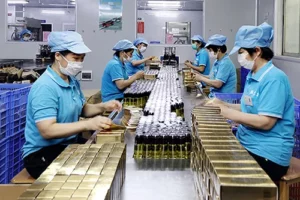
The filling equipment must suit the formula and container. Check the amount filled, seal, cap, pump, label, and batch code.
Use the final approved artwork. A correct formula in the wrong bottle still makes the order wrong. The label must also match the product inside.
6 Check and Release the Batch
Quality control checks that the finished product meets the agreed limits. Confirm which test results and records must pass review before shipment.
The FDA cosmetic GMP checklist covers materials, production, testing, and records. Ask what happens when a batch fails a check and who decides whether it can be released.
Match the Process to the Product
A product name does not tell you its full formula. A serum, for example, could be a water-based liquid, gel, oil blend, or emulsion.
| Product | What to check during production | What to check in the pack |
|---|---|---|
| Serum or toner | Ingredients dissolve or spread evenly. | The pump, spray, or dropper works well. |
| Cream or lotion | The batch has the right texture. | The product is easy to dispense. |
| Gel cleanser | The cleansing blend and thickness are right. | The cap closes well and does not leak. |
| Facial oil or balm | Blending, heating, and cooling suit the formula. | The pack holds up during storage and use. |
| Sheet mask or toner pad | The liquid works with the sheet or pad. | The pack seals well and retains the liquid. |
Explore our Private Label Facial Cream and Serum Manufacturer category to compare product formats.
A featured ingredient still needs a sound formula around it. For a PDRN Peptide Repair Serum project, confirm the exact materials, texture, and planned claims. Review the whole product, not just the ingredient named on the front label.
Set Clear Tests and Approval Rules
Each test answers a different question. One report cannot prove every part of product quality.
- Stability: how the product changes during storage tests.
- Microbial quality: whether bacteria and fungi are within the required limits.
- Preservation: how well the formula resists microbial growth, where this test is needed.
- Pack testing: whether the formula and container work well together.
- Claim testing: whether results support the benefit you plan to state.
Keep an approved sample and written product limits. Record the formula version, pack, test methods, and results needed to pass. Use the same test conditions when comparing batches.
Review changes before accepting them. A new ingredient, pump, or mixing method may require more tests. Labels and documents may also need updates.
Check Claims Before Printing Labels
Terms used in the beauty industry need careful checks. If a supplier says it is “FDA registered,” ask what that covers. FDA registration does not mean FDA approval of the factory or its cosmetic products.
For a cruelty free claim, ask for evidence and the standard used. Using organic ingredients does not by itself make the finished product certified organic.
Match each claim to your skincare product and sales market. A study on one ingredient does not prove the same benefit in your finished formula.
Plan Costs Timing and Your First Order
Give each supplier the same brief when asking for prices. Include the formula route, fill size, pack, quantity, and tests needed.
Ask the quote to show these costs:
- Formula work and sample changes.
- Tests and reports.
- Bulk product, filling, and packing.
- Bottles, caps, labels, and cartons.
- Tools, shipping, and services charged separately.
Check minimum orders for each formula, size, and pack design. Agree on who owns and stores unused packaging. Separate one-time setup costs from repeat-order costs.
Production time may start only after the formula, packs, artwork, and payment are ready. Include those earlier steps when setting your launch date.
To discuss skincare manufacturing with Xiangxiang Daily, share your market, reference product, ingredient needs, pack, quantity, and budget. This helps define the work and documents your project needs.
Factory visits are welcome by appointment. Tell us which products and production steps you want to review so we can plan the visit around your project.