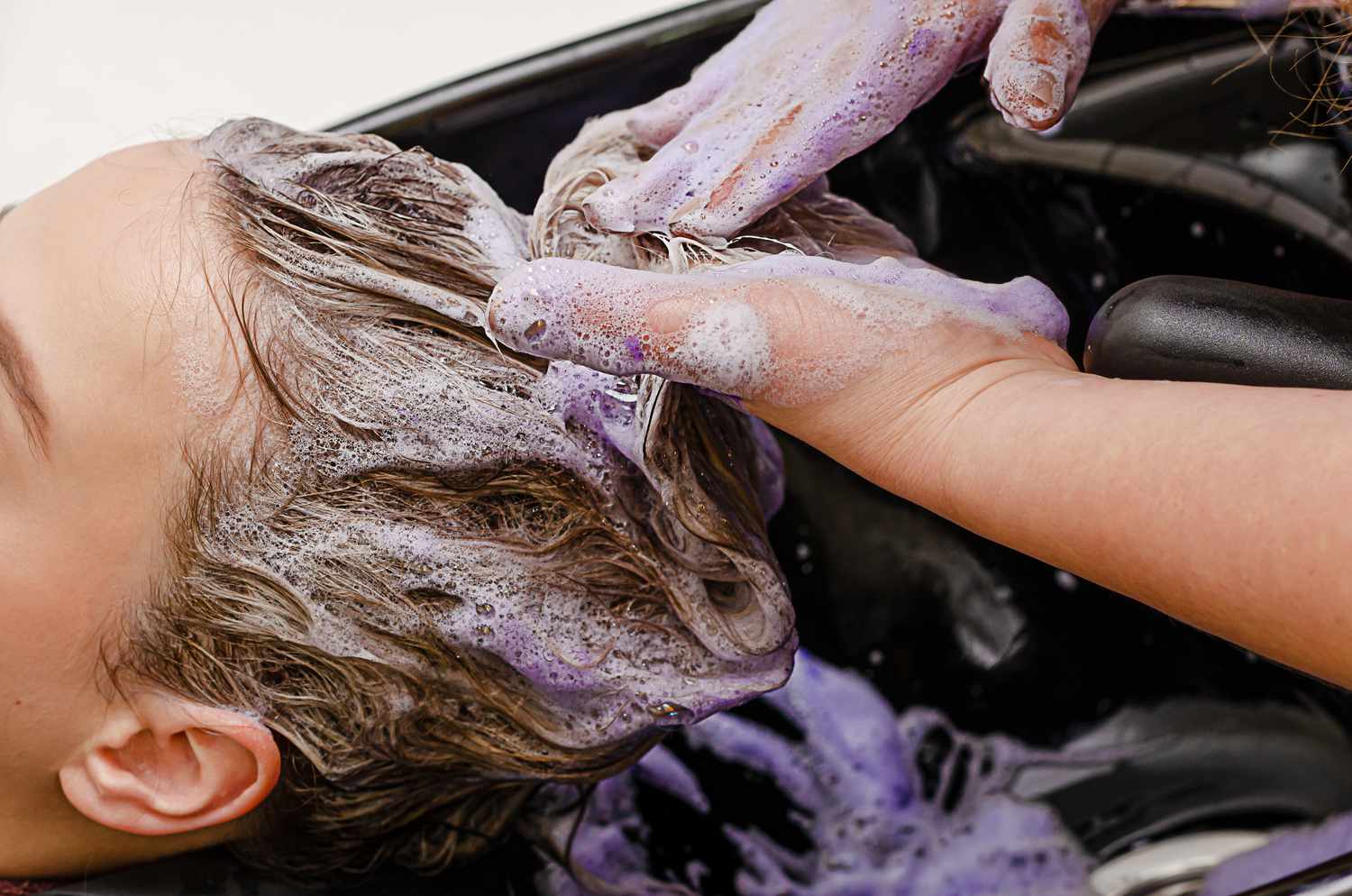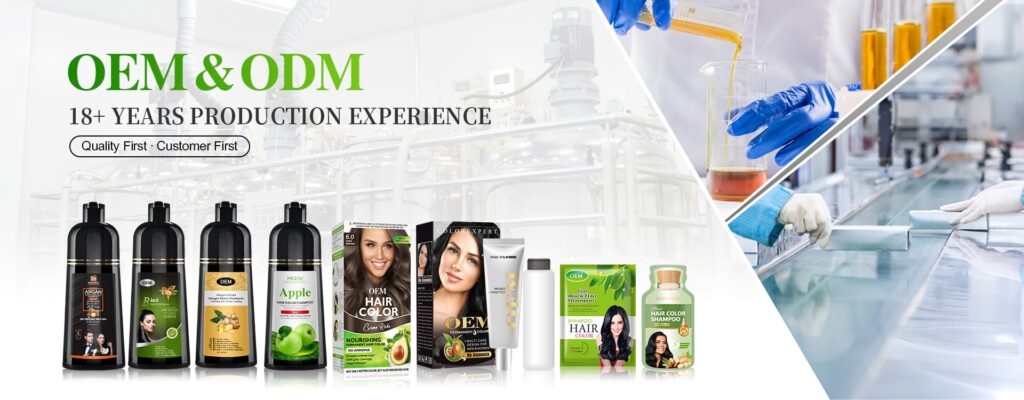
Finding the right B2B shampoo supplier can help you build a hair care range that fits your customers and your budget. But before placing an order, you need to compare more than the price per bottle.
Formula, packaging, minimum order quantity, lead time, and product documents all affect your final decision. A salon may need large bottles for daily use, while a retailer may want a branded range for store shelves.
This guide explains the main ways to source shampoo in bulk. It also covers how to compare suppliers, request quotes, and plan a smooth launch.
What Is B2B Shampoo?
B2B shampoo is shampoo sold from one business to another. The buyer may be a salon, distributor, retailer, hotel, or hair care brand.
Unlike a shopper who buys one bottle for personal use, a business buyer usually orders larger quantities. The buyer may also need custom labels, special packaging, or a formula made for a target market.
Common B2B shampoo orders include:
- Ready-made shampoo for resale
- Large bottles for salon use
- Private label shampoo with the buyer’s branding
- Custom shampoo made for a new hair care line
- Bulk shampoo supplied for filling and packing
The right option depends on how you plan to sell or use the product.
Who Buys Shampoo in Bulk?
Salons and Hair Professionals
Salons often need shampoo for use during hair services. They may also sell smaller bottles to clients who want to care for their hair at home.
For salon use, large bottles and easy-to-use pumps can help staff work efficiently. The formula should suit the salon’s services and the hair types it serves.
Retailers and Online Stores
Retailers look for products that meet customer demand and fit their price range. They may buy established brands for resale or create their own branded line.
Packaging is especially important for online sales. Bottles should be suitable for shipping, while labels and product photos need to present clear information to shoppers.
Distributors and Wholesalers
Distributors often supply several stores, salons, or other business customers. They may need steady stock, clear pricing tiers, and reliable delivery schedules.
If you sell across borders, ask about product documents and shipping terms early. Requirements may differ by destination.
Private Label Hair Care Brands
Private label brands sell shampoo under their own name. Some select an existing formula and add their branding. Others work with a manufacturer to develop a more tailored product.
Before choosing a supplier, decide how much control you need over the formula, scent, bottle, and label.
Wholesale, Private Label, or Custom Shampoo?
These sourcing models offer different levels of speed, control, and investment. The terms can vary by supplier, so confirm what each service includes.
Wholesale Shampoo
Wholesale usually means buying existing products in bulk for resale or business use. In many cases, the product is sold under the supplier’s brand.
This can be a practical choice if you want to add shampoo to your range without developing a new product. However, you may have limited control over the formula and packaging.
Private Label Shampoo
Private label shampoo is sold under your brand name. Depending on the supplier, you may choose from existing formulas or request changes to the product and packaging.
Ask which details can be customized. For example, one supplier may offer only a label change, while another may offer a choice of scents, bottle styles, or ingredients.
Custom Shampoo Manufacturing
Custom manufacturing involves developing a product around a specific brief. You may want a certain texture, fragrance, ingredient profile, or performance goal.
This approach can give your brand more control, but it may also require more development time and a larger budget. Discuss formula ownership and any testing costs before work begins.
How to Choose a B2B Shampoo Supplier
A suitable supplier should meet your product needs and support your business goals. Use the following points to compare your options.
1. Review the Product Range
Start by checking whether the supplier offers the type of shampoo your customers need. Common options include moisturizing, volumizing, clarifying, and color care formulas.
If you want to launch a full hair care range, ask whether the supplier can also provide a matching conditioner. This can help you plan a more consistent product line.
2. Ask About Customization
Customization may cover the formula, fragrance, bottle, cap, label, or outer box. Not every option will be available for every order size.
Share your ideas early and ask the supplier to explain what is possible. Request any extra costs and minimum quantities in writing.
3. Confirm the Minimum Order Quantity
The minimum order quantity, or MOQ, is the smallest order a supplier will accept. It may apply per product, formula, scent, bottle, or label design.
For example, an order of 5,000 bottles may not meet the MOQ if you want to split it across several formulas. Ask how the supplier calculates the minimum for your project.
4. Request Samples
Samples help you review the shampoo before placing a larger order. Check the scent, texture, lather, and how the hair feels after use.
If possible, test the product with people who match your target customers. Keep notes on their feedback and share them with the supplier before approving the final sample.
5. Review Quality Documents
Ask what quality checks the supplier carries out and what documents are available for your product. These may include a specification sheet, ingredient list, or batch-related documents.
Also ask how the supplier handles product issues, batch tracking, and customer complaints. The exact documents you need will depend on the product and the market where you plan to sell it.
6. Compare Lead Times
Lead time is the period needed to prepare and complete an order. It may include formula approval, packaging production, filling, and inspection.
Shipping time is often separate. Ask when production starts and what could delay the order, especially if you have a fixed launch date.
What Affects the Cost of Bulk Shampoo?
The price of B2B shampoo depends on more than the formula. When you request a quote, ask the supplier to explain what is included.
Key cost factors include:
- Formula: Ingredients and development work can affect the price.
- Order quantity: The unit price may change at different order volumes.
- Bottle and cap: Size, material, shape, and decoration can influence cost.
- Labels and boxes: Custom printing and outer packaging may add expenses.
- Testing: Some projects may require extra testing or documents.
- Freight: Shipping, insurance, duties, and local fees can affect the landed cost.
To compare quotes fairly, give each supplier the same product brief. Check that the quotes cover the same bottle size, order quantity, packaging, and delivery terms.
Calculate Your Estimated Landed Cost
Your landed cost is the estimated cost of getting the product to your chosen destination. It can include the product price, packaging, freight, insurance, duties, and other relevant fees.
For example, a lower factory price may not lead to a lower total cost if shipping or packaging charges are higher. Ask your freight provider or customs adviser to help estimate the full amount before you place an order.
How to Choose the Right Shampoo Formula
Start with your target customer. Think about their hair type, shopping habits, and the result they expect from a shampoo.
A simple range could focus on one or more of these needs:
- Dry hair: A moisturizing formula that leaves hair feeling soft.
- Oily hair: A cleansing formula designed to remove excess oil.
- Fine hair: A lightweight formula that does not leave hair feeling heavy.
- Color-treated hair: A formula positioned for a color care routine.
- Damaged-looking hair: A conditioning formula that helps hair feel smoother.
Ask the supplier which claims are suitable for the formula and what evidence is available to support them. Ingredients alone do not prove that a finished product delivers a specific result.
Should You Choose a Sulfate-Free Shampoo?
Some buyers look for sulfate-free shampoo because their customers prefer this type of formula. If you want to make this claim, tell the supplier which ingredients you need to avoid and review the final ingredient list.
Do not assume that every sulfate-free shampoo offers the same cleansing feel. Ask for samples and compare how each formula performs for your target customer.
Packaging Options for Shampoo Buyers
Packaging affects how customers use, store, and transport your product. It also plays a major role in how your brand appears on a shelf or online.
Bottle Size and Format
Retail bottles should be easy for customers to handle and store. Salons may prefer larger sizes that reduce the need for frequent replacement.
Before choosing a size, consider how the shampoo will be used, the target price, and the cost of shipping. Ask the supplier which formats are available for your order quantity.
Caps, Pumps, and Labels
A flip-top cap may work well for a retail bottle, while a pump can be useful for larger salon sizes. Whichever closure you choose, check that it works with the formula and does not leak during transport.
Review the label for readability as well as design. Leave enough space for the product name, directions, ingredients, warnings, and other details required in your market.
Product Safety and Labeling
Before launch, confirm the rules for every country or region where you plan to sell. Product classification, ingredient restrictions, claims, and label requirements can vary by market.
For the United States, the FDA explains that manufacturers and distributors are responsible for proper cosmetic labeling. Businesses that manufacture or market cosmetics also have a responsibility to ensure product safety.
Claims matter too. For example, the FDA notes that an anti-dandruff shampoo can be both a cosmetic and a drug under U.S. law. Ask a qualified regulatory professional to review your formula and claims for each target market before printing labels.
Do not rely on a general certificate or a supplier’s statement alone. Confirm which documents apply to your specific formula, manufacturing site, and destination.
How to Request a Shampoo Quote
A clear request helps suppliers give you a more useful quote. It also makes it easier to compare offers.
Include the following details when you contact a supplier:
- Your business type and target customers
- The country or region where you plan to sell
- The shampoo type and desired product claims
- Your preferred formula, scent, or ingredient requirements
- The bottle size, cap type, and packaging design
- Your estimated order quantity per product
- Your preferred delivery date and destination
- The documents or testing information you need
Ask the supplier to separate product, packaging, development, and shipping costs where possible. Also confirm how long the quote remains valid.
Questions to Ask Before Placing an Order
Before you approve a supplier, make sure you understand the full process. These questions can help:
- Is the formula ready-made, adjustable, or fully custom?
- What is the MOQ for each formula and packaging design?
- What is included in the quoted price?
- Can I review a sample in the final packaging?
- What documents are available for my target market?
- How long will production take after sample approval?
- Who owns the formula and artwork?
- What happens if a shipment is damaged or a batch has a quality issue?
Record the answers and compare them alongside the price. A written agreement can help both sides understand the approved product and order terms.
Work With a Private Label Shampoo Manufacturer
If you want to create a branded hair care range, Xiangxiang Daily offers shampoo and conditioner manufacturing options for business buyers. The product range includes different shampoo concepts, and customization can cover details such as ingredients, scent, and packaging.
Explore our private label shampoo and conditioner range to find a starting point. Share your target market, product idea, expected quantity, and packaging needs with the team to discuss a suitable option.
Our website lists a typical MOQ of 5,000 pieces per SKU. Actual requirements can vary by product and project, so please confirm the MOQ and pricing for your specific order.
Frequently Asked Questions
What is the minimum order for B2B shampoo?
There is no single minimum for every supplier. The MOQ can depend on the formula, bottle, label, and level of customization. Ask whether the minimum applies to each product or to the total order.
Can I put my own brand on shampoo?
Yes. Many manufacturers offer private label shampoo that can be sold under your brand name. The available formula and packaging options depend on the supplier and the project.
How long does a bulk shampoo order take?
Timing varies by supplier and order. An existing formula with standard packaging may take less time than a custom formula with a new bottle. Ask for a schedule that covers sample approval, production, and shipping.
Can I order shampoo and conditioner together?
Many suppliers offer both products. If you want a matching set, ask whether the formulas, fragrance, bottle design, and labels can be coordinated. Confirm the MOQ for each product.
What should I check in a shampoo sample?
Check the scent, texture, lather, and how the hair feels after washing. If you have packaging samples, also test the cap or pump. Keep a record of feedback and approve the final sample before production.
How do I find the right shampoo supplier?
Start with a clear product brief, then compare suppliers on formula options, samples, MOQ, quality documents, lead time, and total cost. Choose a partner that can meet your needs and explain the order process clearly.
Start Your B2B Shampoo Project
A successful shampoo order starts with a clear plan. Define your customer, choose the right sourcing model, and compare suppliers using the same requirements.
Once you have tested samples and reviewed the full quote, confirm the product details and timeline in writing. These steps can help you make a more confident purchase and build a hair care range that fits your business.