
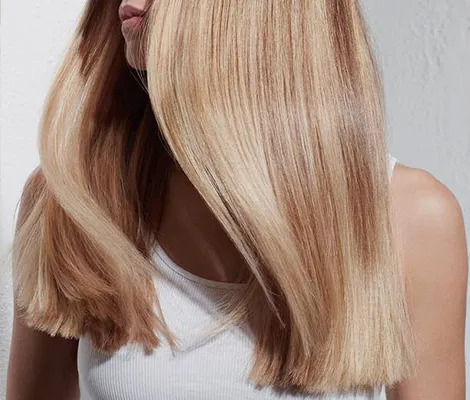
The best hair care products for curly hair depend on how your curls feel, how easily they tangle, and the finish you want. Most routines start with a shampoo and conditioner, followed by a styling product such as a curl cream, mousse, or gel.
You do not need to buy every product marketed for curls. Start with a few essentials, then adjust the texture and amount based on whether your hair needs more softness, definition, or lightweight hold.
Which Hair Care Products Do Curly Hair Routines Need?
A simple curly hair routine has three main jobs: cleanse the scalp, condition the hair, and help curls hold their shape. Masks, oils, and leave-in treatments can be useful additions, but they are optional.
| Product | Main purpose | Consider it if |
|---|---|---|
| Shampoo | Removes oil, dirt, and styling buildup | Your scalp or hair needs cleansing |
| Conditioner | Helps soften and detangle the hair | Your curls feel dry or knot easily |
| Leave-in conditioner | Provides additional conditioning after washing | Your lengths need extra softness |
| Curl cream | Helps curls look smoother and more defined | Your hair benefits from a creamier finish |
| Mousse or gel | Helps hold the shape of a style | Your curls lose definition as they dry |
| Hair mask or oil | Adds conditioning or a smoother-looking finish | Your lengths need extra care |
The same curl pattern can behave differently from person to person. Strand thickness, hair density, damage, styling habits, and climate all affect which products feel comfortable.
1. Choose a Shampoo That Suits Your Scalp and Curls
A good shampoo should leave your scalp feeling clean without making your lengths uncomfortably rough. Curly hair does not automatically need the richest cleanser; the right choice also depends on how oily your scalp gets and how much styling product you use.
Fine curls may prefer a lighter shampoo, while dry or coarse curls may benefit from a more conditioning formula. If you regularly use gels, creams, or oils and notice buildup, a clarifying shampoo may be useful occasionally.
How often you wash depends on your scalp, hair texture, and routine. The American Academy of Dermatology’s curly hair guidance recommends adjusting wash frequency to your hair’s needs and keeping the scalp clean.
For brands comparing product formats, our shampoo and conditioner range includes different hair care options. Check each product’s intended hair type and directions when assessing a formula.
2. Use Conditioner to Make Detangling Easier
Conditioner helps curls feel softer and provides slip, making knots easier to work through. After shampooing, apply it according to the label and focus on the areas that need the most conditioning.
Fine hair may need less product near the roots. Thick, dry, or coily hair may benefit from conditioner through more of the lengths. Add water if needed, then gently detangle in sections with your fingers or a wide tooth comb.
Start at the ends and work upward rather than pulling a comb from the roots through a knot. Rinse-out conditioner should be rinsed as directed; choose a product labeled as a leave-in if you want conditioning that stays in the hair.
3. Decide Whether You Need a Leave-In Conditioner
A leave-in conditioner can help curly hair feel softer and more manageable between washes. It may be especially useful if your hair feels dry after rinsing out your regular conditioner.
Start with a small amount on damp or wet hair, following the product directions. If your curls look flat or feel coated after drying, try using less or switch to a lighter texture. If your hair still tangles easily, you may need more conditioning or a richer formula.
A leave-in is not essential for every routine. If your rinse-out conditioner already gives your hair enough softness, you may prefer to move straight to a styling product.
4. Compare Curl Cream, Mousse, and Gel
Curl creams, mousses, and gels can all support your natural curl pattern, but they do not necessarily give the same finish.
- Curl cream: Often chosen for softness and curl definition. A richer cream may suit dry curls, while too much can weigh down fine hair.
- Mousse or foam: Often chosen for a lighter feel and flexible hold. It can be useful when volume and movement matter.
- Gel: Helps hold curls in shape. The level of hold and the final feel depend on the formula and amount used.
Some gels dry with a firm feel. If the label allows, let your hair dry completely and gently scrunch it to soften the finish. If it feels sticky or flaky, review the amount and how it works with the other products in your routine.
You can layer products, but more layers are not always better. Start with one styler and add another only if you need a different result.
5. Add a Hair Mask When Your Curls Need Extra Care
A deep conditioner or hair mask can be useful when your regular conditioner does not provide enough softness or slip. Follow the directions for application time and rinsing; some masks are used in place of conditioner on wash day.
For fine curls, begin with a small amount and focus on the lengths. For thicker or very dry hair, a richer treatment may feel more suitable. If your hair feels heavy after a mask, try using less or using it less often.
Our hair mask collection includes different treatment formats for brands exploring a conditioning range. One example is the Intensive Hydration Hair Masque, which is presented for hair needing extra conditioning, including curly hair.
6. Use Hair Oil as an Optional Finishing Step
A small amount of oil can add shine and help dry ends look smoother. Argan oil, coconut oil, and castor oil appear in many curly hair products, but their feel varies with the complete formula and the amount applied.
Start with a little on the lengths or ends. Too much can leave fine curls looking greasy or heavy. Oil is not a substitute for every conditioner, and it should not be assumed to provide heat protection unless the product specifically states that use.
For example, Xiangxiang Daily lists a castor oil hair blend for curly hair. Check its full ingredients and directions to decide whether the format suits the intended routine.
How to Build a Simple Curly Hair Routine
Start with a routine you can repeat and adjust one product at a time:
- Cleanse: Apply shampoo to the scalp and rinse it through the hair.
- Condition: Apply conditioner, then gently detangle with your fingers or a wide tooth comb.
- Add extra moisture if needed: Use a leave-in conditioner on the lengths.
- Style: Apply a curl cream, mousse, or gel according to its directions.
- Dry gently: Air-dry or use a diffuser on a suitable low setting. Avoid rough towel drying.
If you use heated styling tools, choose a product labeled for heat protection and follow its directions. A curl cream or oil should not automatically be treated as a heat protectant.
How to Choose Products for Fine or Thick Curls
Fine Curls That Feel Dry but Get Weighed Down
Try a lightweight conditioner and one styling product before adding a cream, oil, and gel together. If your hair looks flat, reduce the amount first. If the ends still feel dry, add a little conditioning product only where needed.
Thick, Coarse, or Dry Curls
Look for enough slip to detangle comfortably and a conditioning level that leaves your hair manageable. Working in sections can help you distribute products and rinse them out. A richer mask or curl cream may be useful, but the best amount still depends on your hair.
What Should Brands Consider When Developing Curly Hair Products?
“For curly hair” can describe many different needs. A lightweight leave-in for fine waves and a rich mask for dry coils may both belong in a curl range, but they should have different product goals.
When comparing samples, consider how easily each formula spreads, how it feels during detangling, whether it rinses as intended, and the finish after drying. Brands can also specify the desired texture, fragrance, packaging, and target market when discussing a private label project.
Final Thoughts
The right curly hair products should make your routine easier and give you the finish you prefer. Begin with shampoo, conditioner, and one styler. Then add a mask, leave-in, or oil only when your hair has a specific need.
If you experience persistent scalp irritation, unusual shedding, or significant breakage, consult a dermatologist for advice.