Choosing private label manufacturers for skin care starts with matching their services to your product, budget, and launch plan. Compare the formula options, samples, minimum order quantities, testing, packaging, and lead time before choosing a partner.
The lowest quote is not always the best fit. A supplier may offer a good formula but require more stock than you can sell. Another may offer a smaller order but less scope to change the product.
Xiangxiang Daily is a private label skin care manufacturer based in China. This guide explains how to assess potential partners and request quotes you can compare.
Match the Manufacturing Service to Your Brand
Private label skincare covers several supply models. Ask each manufacturer to explain what is included, since the same terms can mean different things.
| Service | What you buy | What to check |
|---|---|---|
| Existing-formula private label | A supplier’s formula sold under your brand | Available packs, testing, minimum order, and production needs |
| Semi-custom development | An existing formula with agreed changes | Which changes are possible and whether new testing is needed |
| Custom formulation | A formula developed around your brief | Development fees, sample rounds, ownership, and lead time |
| Contract manufacturing | Production to an agreed formula or specification | Formula transfer, sourcing, process checks, and batch standards |
New brands may prefer an existing formula to reduce development work. Established brands may need custom textures, specific ingredients, or a product that fills a gap in their range. Neither route is automatically better.
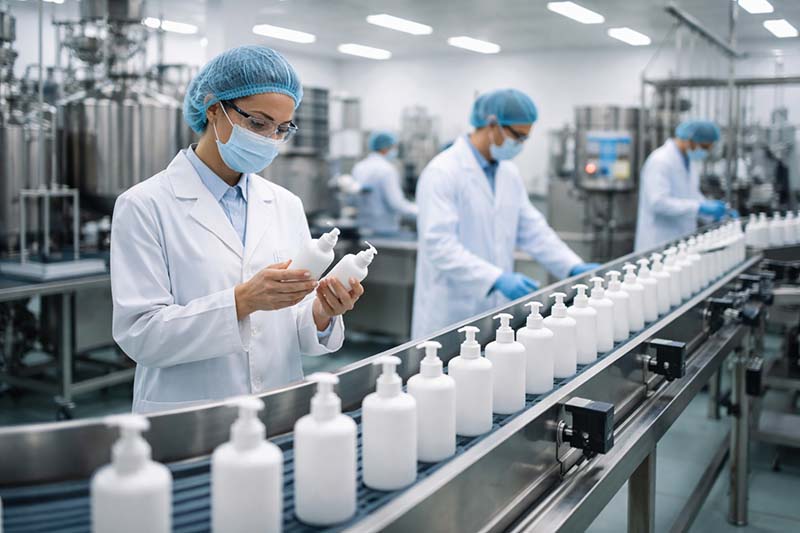
Also confirm whether the company makes the products itself or works with partner factories. Both models can work, but you need to know who controls production, quality records, and changes.
An existing formula does not always mean finished stock is available. If speed is your main concern, our guide to ready to label skin care explains that distinction.
Use Product Selection and Samples to Test the Fit
Shortlist manufacturers with experience in the skincare products you plan to sell. A supplier with a large catalogue may still lack the formula, pack, or finish your project needs.
Start with a clear brief: target customer, skin concern, product type, texture, scent, pack size, and retail price. Include a reference product, but explain which features matter rather than asking for an exact copy.
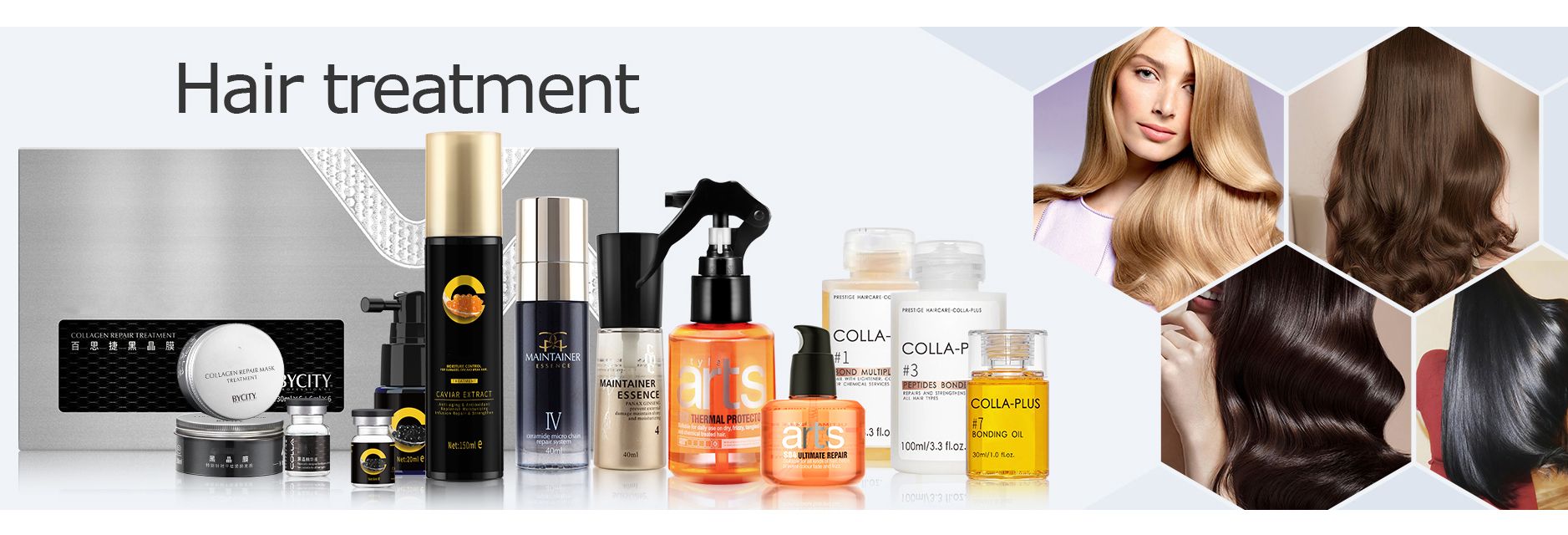
For serum and cream projects, review our private label facial cream and serum options. Use the range to start a discussion, then confirm the details through samples.
Compare Samples Under the Same Conditions
Use one review sheet for all shortlisted suppliers. Record what you observe rather than relying on a general impression.
- Texture: Does the product spread easily and dispense as expected?
- Finish: Does it feel sticky, greasy, heavy, or comfortable?
- Scent: Is it suitable during use and after application?
- Routine fit: Does it layer well with the other products in your range?
- Packaging: Does the pump, dropper, tube, or jar work with the formula?
Ask how many sample revisions are included and what changes cost extra. Keep a record of each version so the factory knows which sample you approved.
A sample review helps assess the user experience. It does not replace safety, stability, or claim testing.
Compare Minimum Order Quantities and Total Cost
Ask whether the minimum order applies to each formula, fragrance, pack size, or printed design. Packaging minimums may differ from the factory’s filling minimum.
Request a breakdown for the finished unit. Include the formula, container, closure, label, box, filling, and packing. List development, testing, and freight separately.
For example, a 2,000-unit order at $3 per unit requires $6,000 in product spend. A 5,000-unit order at $2.50 requires $12,500. These are illustrative figures, not supplier quotes. The lower unit price needs more than twice the product budget.
Compare order quantities with your expected sales and cash available for launch. Leave room for marketing, shipping, and repeat orders.
- Confirm sample and development fees.
- Ask whether test costs are included or charged separately.
- Check deposits, balance payments, and quote validity.
- Record who owns unused bottles, labels, or cartons.
- Compare delivered cost, not only the factory price.
Ask for repeat-order terms too. A launch discount is less useful if later orders have unclear pricing or much higher minimums.
Check Quality Evidence Packaging and Label Design
Ask what records support the exact formula and pack you will receive. A general factory certificate does not prove every product claim or confirm that a new bottle has been tested.
| Area | What to request |
|---|---|
| Formula and ingredients | A current ingredient list and an agreed product specification |
| Stability | Relevant results supporting the proposed shelf life and storage conditions |
| Microbial quality | Applicable test records and information on preservation testing |
| Packaging | Checks for leaks, dispensing, and formula compatibility |
| Batch control | Batch codes, release checks, and retained-sample procedures |
| Claims | Evidence relevant to the finished product and proposed wording |
If a manufacturer shares a certificate, check the business name, factory site, scope, and validity. Ask who performed the tests and whether the reports cover your product version.
Approve the Label Before Printing
Label design should make the product easy to identify and use. Request the pack template before creating artwork. Check text size, label fit, batch-code space, and barcode placement where needed.
Agree who supplies the ingredient list, directions, warnings, and market-specific details. Have the final label reviewed for the country where you will sell.
Changes to ingredients, fragrance, or packaging may affect the supporting records. Confirm any further checks before approving the change.
Confirm Lead Time Ownership and Repeat Supply
Ask for a schedule with separate stages: samples, revisions, testing, packaging, artwork, production, and dispatch. Clarify when the quoted lead time starts.
A production estimate may begin only after the deposit, final artwork, and packaging are approved. It may not include development or shipping.
Before paying a production deposit, agree on:
- Ownership: Who owns the formula, artwork, and any custom tooling?
- Exclusivity: Can the supplier sell the same formula to other brands?
- Changes: Which ingredient or packaging changes need your written approval?
- Repeat supply: What are the reorder minimums and expected lead times?
- Defects: How are complaints assessed and affected goods handled?
Private label products are not automatically exclusive. If this matters to your brand, define the product, market, duration, and terms in the agreement.
Keep the approved sample and specification. These provide a reference for checking the first shipment and later batches.
Choose a Manufacturer Using a Clear Comparison
Send the same brief to each shortlisted supplier. Compare their answers, sample results, documents, costs, and order terms side by side.
Resolve essential gaps before weighing optional benefits. A lower price should not outweigh missing product records, unclear production responsibility, or unsupported claims.
Be cautious if a supplier will not identify the production site, promises results without evidence, or requests a bulk order before confirming the specification. Ask for clarification and written answers.
For a useful proposal from Xiangxiang Daily, share your target market, product selection, pack size, budget, expected order quantities, and launch date. Our team can review formula options, samples, packaging, and production needs.
Factory visits are welcome by appointment. Confirm the project scope and commercial terms in writing before moving from sample approval to production.