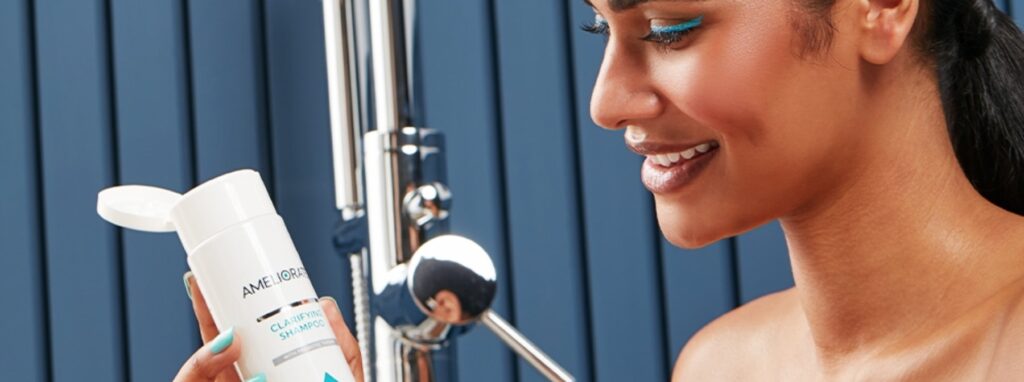
OEM shampoo is made by a manufacturer for a brand to sell under its own name. The project may start with an existing formula or a new product brief. The brand and manufacturer then agree on the formula, packaging, order quantity, and production terms.
Xiangxiang Daily supports brands, retailers, salons, and distributors with private label shampoo manufacturing. Buyers can discuss hair type, cleansing feel, fragrance, packaging, and samples before confirming a project.
Before choosing a supplier, define what your shampoo needs to do and where it will be sold. This makes it easier to compare samples and quotations.
What Is OEM Shampoo
In an OEM shampoo project, a manufacturer produces shampoo for another company’s brand. The final product may use the buyer’s logo, label, and chosen packaging.
Terms such as OEM, ODM, and private label are not used in exactly the same way by every supplier. Ask what each service includes rather than choosing a partner by the label alone.
| Option | Typical Starting Point | What to Confirm |
|---|---|---|
| Existing formula | A manufacturer’s available shampoo base | Which changes and packaging options are available? |
| Adapted formula | An existing base adjusted for the project | Which changes affect cost, testing, or lead time? |
| Custom formula | A new brief or buyer-provided specification | Who owns the formula and what development work is included? |
An existing formula may reduce development work. A custom formula offers a different starting point, but it can need more sampling and testing. Confirm the terms in writing before paying for development.
Choose an OEM Shampoo for Your Brand
Start with the customer and the result you want after washing. A shampoo for fine hair may need a lighter finish, while a product for dry-feeling hair may focus on softness and easier combing.
Common product directions include:
- Daily shampoo: A cleanser for a regular hair care routine.
- Moisturizing shampoo: Designed to leave dry-feeling hair softer and easier to manage.
- Clarifying shampoo: Positioned to remove excess oil and product buildup.
- Color care shampoo: Intended for a routine that includes color-treated hair.
- Sulfate-free shampoo: Made without specified sulfate ingredients, depending on the formula and claim.
These names describe product directions, not guaranteed results. A sulfate-free claim, for example, does not by itself prove that a shampoo is gentle for every scalp. The finished formula needs to be evaluated.
If you want an anti-dandruff or hair-growth claim, discuss the target market with the manufacturer early. Those claims may have different legal requirements from ordinary cosmetic claims.
Prepare Your Shampoo Product Brief
A useful brief gives the supplier enough detail to recommend a formula and provide a meaningful quote. You do not need a finished formula to start, but you should identify your priorities.
- Target customer: Who will use the shampoo, and what hair or scalp need does it address?
- Product result: Should it feel light, rich, smoothing, or suitable for frequent use?
- Ingredients and claims: Are there ingredients you want included or excluded?
- Packaging: What bottle size, pump or cap, label, and carton do you prefer?
- Sales plan: Which countries and channels will you sell in?
- Order plan: What quantity and target price range are you considering?
If you have a benchmark product, share what you like about it. Describe the foam, scent, texture, and after-wash feel. A benchmark helps explain your goal, but it does not guarantee an identical formula or result.
Review Samples and Packaging
Test samples under conditions close to the intended use. Compare the shampoo alone and, if applicable, with its matching conditioner.
| Check | Questions to Ask |
|---|---|
| Cleansing | Does the scalp feel clean without uncomfortable dryness? |
| Hair feel | Is the hair easy to rinse and comb? Does it feel heavy after drying? |
| Texture and scent | Are the viscosity, foam, and fragrance suitable for the product? |
| Packaging | Does the cap or pump dispense the shampoo well and close securely? |
| Consistency | Has the sample changed in appearance, scent, or texture during review? |
Share specific feedback with the manufacturer. “Less fragrance” or “easier to rinse” is more useful than asking for a generally better sample. Confirm which sample version has been approved before bulk production.
Understand MOQ, Cost, and Lead Time
Minimum order quantity, or MOQ, is not always one number for the whole project. The formula, bottle, pump, printed label, and carton may each have their own minimum. Ask whether different scents or products can share packaging and whether each variation counts as a separate order.
When comparing quotes, check what is included. A lower unit price may exclude artwork, sample work, testing, cartons, freight, or other project costs. Confirm the currency, order quantity, delivery terms, and payment schedule.
Lead time can also depend on more than production. Formula approval, test results, packaging availability, and artwork revisions may affect the schedule. Ask when the quoted lead time starts and which approvals are needed first.
Do not assume that every existing formula is already filled and ready to ship. Ask whether the order uses finished stock or will be produced after the project is approved.
From Sample Approval to Bulk Production
- Discuss the brief: Confirm the product direction, market, packaging, and expected quantity.
- Review samples: Test the formula and provide feedback on the result.
- Confirm specifications: Agree on the formula version, scent, appearance, fill size, and packaging.
- Review labels and documents: Check the ingredients, claims, and information needed for the target market.
- Approve the order: Confirm the quote, production schedule, payment terms, and delivery arrangements.
- Plan the next order: Keep approved specifications and packaging details available for future production.
Before placing an order, ask what quality checks and documents are available for your specific shampoo and destination market. Certifications or test reports should match the facility, product, and purpose they are presented for.
To discuss an OEM shampoo project with Xiangxiang Daily, prepare your target hair type, preferred product feel, packaging, destination market, and estimated quantity. These details help the team recommend a suitable starting point and arrange sample discussions.