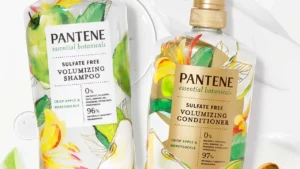

Shampoo innovation improves how a shampoo cleans, works, or is used. It can also improve the packaging. Adding a trendy ingredient alone is not enough.
Examples include concentrates, water-activated products, targeted hair and scalp care, and clearer product choices. Better dosing and reusable packs are other options.
For a brand, the key question is simple: does the change solve a real customer problem? Can it deliver the same benefit each time?
A new format may make travel easier. A well-made liquid shampoo may improve cleansing, hair feel, or daily use.
This guide reviews published examples and offers a way to assess new ideas. Xiangxiang Daily’s private label shampoo and conditioner services provide a starting point for discussing your project.
What Is Driving Shampoo Innovation
Useful shampoo innovation starts with a clear need. Some customers want clean roots without a poor after-feel. Others want easier care for colored hair, smaller travel products, or a simpler routine.
Each need calls for different formula and packaging choices.
There are three useful ways to view innovation:
- Performance innovation: Improve a clear result, such as cleansing, combing, or color care. Use a suitable comparison to check the benefit.
- Experience innovation: Improve dispensing, application, scent, rinsing, travel, or storage.
- Resource-use innovation: Change the pack or product strength to meet a measurable goal. One example is less packaging per wash.
A change can help in one area but create a drawback elsewhere. A compact product may need more instructions. A rich finish may suit one hair type but weigh down another.
A refill system may work for repeat buyers but not for every sales channel.
State the benefit you want in the product brief. Also state what must not become worse.
Shampoo Innovation Trends With Practical Product Examples
Concentrated and Water-Activated Formats
New formats go beyond the usual bottle of liquid shampoo. In November 2025, P&G described Gemz as a water-activated shampoo and conditioner format. It comes in concentrated, single-dose tiles.
This is a published example of a new format. It does not prove that all concentrates work better. It also does not mean every private label factory can offer the same technology.
Before choosing this type of product, ask:
- Can users handle it with wet hands?
- Will the pack keep unused doses protected in a bathroom?
- Does the dose suit different hair lengths and amounts of hair?
- Does it disperse and rinse well during normal use?
- Are the instructions clear without a demonstration?
Water-activated cleansers and dry shampoos serve different needs. Dry shampoo is intended for use between washes. Do not group them together just because both differ from liquid shampoo.
Targeted Hair Care Within the Cleansing Step
Some new shampoos focus on a specific hair concern. They aim to offer more than general cleansing.
For example, Wella’s published technology overview describes Metal Purifier technology. It also names the shampoos that use it.
This shows how a brand can link a clear concern to a product and explain the technology behind it.
Define your own goal precisely. Helping address mineral deposits is not the same as repairing damaged hair. Each claim needs its own evidence.
A familiar ingredient name does not prove either result.
Competitor products can help you spot a market need. Their technology, claims, and test results do not apply to your formula.
Scalp-Focused Formulation
Scalp care focuses on the washing experience at the roots. It covers cleansing, comfort, residue, scent, and how often people wash.
A useful brief might describe frequent washers who dislike a tight after-feel. Another might focus on removing styling residue without leaving hair heavy.
These details help more than a request for a “premium scalp shampoo.”
Use care with terms such as microbiome-friendly, probiotic, and sensitive-scalp. Ask what the ingredient is and what tests cover the finished product.
Make sure the wording matches the evidence. An ingredient story does not support a promise to treat a scalp condition.
Personalization That Customers Can Understand
Personalization can mean helping customers choose from a clear range. It does not have to mean making a new formula for each person.
A small range could offer frequent cleansing, light care, and richer care. Each option needs a clear purpose and a simple guide to choosing it.
More variants also mean more packaging, stock, and documents.
Before adding products, check that customers understand the differences. Can they choose the right one with confidence?
Packaging and Dosing as Part of Product Design
A new pack should make the product more useful. A better cap may help users dispense the right amount. A bottle may be easier to empty. A refill may suit repeat buyers.
These changes can offer more value than an unusual shape.
For an environmental claim, first decide what you will measure. Pack weight per bottle, pack weight per wash, recycled content, and shipping weight are different measures.
A “less plastic per wash” claim needs a clear comparison and realistic doses. A “refillable” claim needs a refill process that works.
A new material or format alone does not prove a lower overall environmental impact.
What Evidence Should Support a Shampoo Innovation Claim
A sound claim explains what was tested and which product was used. The wording should stay within what the results show.
Use this checklist when reviewing a supplier’s proposal or planning claims.
| Proposed benefit | Evidence to request or develop | Question that prevents overclaiming |
|---|---|---|
| Easier detangling | A combing test with set hair samples, a set routine, and a comparison | Was the shampoo used alone or with conditioner? |
| Color maintenance | A controlled test that compares colored hair over repeated washes | Which colors, washing conditions, and comparison product were used? |
| Improved scalp comfort | A suitable use test with the finished product and intended users | Does the claim match the cosmetic experience measured? |
| Concentrated performance | A performance test at the proposed dose | Does the smaller dose work in real use? |
| Reduced packaging | A recorded material comparison with a clear scope | Does it include closures, refill packs, and the same number of uses? |
Separate Ingredient Evidence From Finished-Product Evidence
An ingredient study can show why an ingredient is worth exploring. It does not prove how your finished shampoo will work.
Check the amount used, product type, application method, and measured result. Are they close to your planned use?
If they differ, ask how that affects the claim. Do not leave out those differences.
Separate Shampoo Results From Routine Results
A test may use shampoo, conditioner, and a treatment together. If so, describe the result as a benefit of the routine. Do not give all the credit to the shampoo.
User feedback, instrument readings, and expert reviews also measure different things. Keep those differences clear in labels and website text.
Keep the Evidence Traceable
Keep the formula ID, test date, test method, comparison product, conditions, and report for each claim.
Review later formula or packaging changes. Decide whether the evidence needs to be checked again.
Ask the supplier about its quality controls. Confirm which checks and documents will apply to your project.
How to Choose the Right Innovation for Your Brand
Start with your customers and sales channel. Then compare ways to meet their needs.
This table is a planning guide. It is not a technology ranking or a report of completed tests.
| Customer or business need | Possible development direction | Main question before approval |
|---|---|---|
| Less bulk for travel | A compact liquid, concentrate, or solid | Is it easy to pack, store, and use? |
| A better frequent-washing experience | A clear target for cleansing and after-feel | Do target users prefer it after repeated use? |
| A clearer offer for color-treated hair | A targeted shampoo or matching care routine | Does the evidence support the color-care claim? |
| Less packaging material per wash | A smaller pack, concentrate, or refill | Does it still use less material at realistic doses? |
| A simpler product range | A few formulas with clear differences | Can customers choose without confusion? |
Compare Cost Per Wash as Well as Cost Per Unit
A concentrate may seem costly if you compare bottle sizes alone. Also compare how many washes each product provides.
Illustrative calculation: A 250 ml shampoo used at 10 ml per wash gives about 25 washes. A 100 ml concentrate used at 4 ml per wash also gives about 25 washes.
These are made-up planning figures. They are not tested doses or claims about Xiangxiang Daily products.
Estimated product cost per wash = product cost ÷ realistic number of washes.
Before making a value claim to customers, check how much target users actually use. Replace assumed doses with those findings.
For your business plan, also include packaging, freight, development, and tests. Consider the cost of managing more stock items.
Set Reasons to Stop or Revise a Concept
Set clear decision rules before committing to a trend. An idea may need changes if:
- Users cannot notice or explain its benefit.
- It needs another product that the instructions do not mention.
- The claim goes beyond the evidence.
- The pack or dispenser makes it hard to use.
- The required retail price is too high for the target buyer.
Stopping a weak idea early saves resources for a product with a clearer purpose.
Turning Shampoo Innovation Into a Private Label Development Brief
A useful brief connects the customer’s problem to your proposed solution. It also sets the evidence needed and the business limits.
Before asking for samples, prepare these details:
- Target customer and market: Who will use it? Where and how will you sell it?
- Main problem: What is the most important improvement?
- Benchmark: Which product or agreed reference will you compare it with?
- Preferred format: Do you want a liquid, concentrate, or another format? What packaging limits apply?
- Desired experience: Describe dispensing, use, foam, rinsing, scent, and after-feel.
- Proposed claims: List the wording you want and the evidence it needs.
- Commercial boundaries: Set your retail position, order expectations, pack choices, and launch goals.
- Approval criteria: State what the product must show before you proceed.
Ask which route the manufacturer can offer. Is it an existing formula, a modified formula, or new development? Will it need new equipment?
Do not assume that a product seen in the market is available as a ready-made private label option.
Once the idea is agreed, plan how to produce it consistently. Our guide to the shampoo manufacturing process covers the path from formula to finished product.
Xiangxiang Daily welcomes projects from brands, distributors, retailers, and salons. Share your market, reference product, format, and planned claims. These details help us assess the project against your needs.
Frequently Asked Questions About Shampoo Innovation
What Are Examples of Shampoo Innovation
Examples include water-activated products, concentrates, targeted care, and clearer product choices. Better dosing and reuse are other options. Each idea needs a clear benefit and a way to test it.
Is Sulfate-Free Shampoo Automatically More Innovative
No. Sulfate-free describes a formula choice. It does not prove innovation or quality. Explain the washing experience you want and test the finished product.
Does Adding a Trending Ingredient Make a Shampoo Better
Not by itself. Ask what the ingredient does in your formula. Then check the evidence for the finished product. A trend can provide a story without proving a benefit.
Are Waterless and Concentrated Shampoos Always More Sustainable
No format name proves an environmental benefit. Compare a clear measure, such as pack material or shipping weight for the same number of washes. State your assumptions. Wider environmental claims need wider evidence.
Can a Small Brand Develop an Innovative Shampoo
Yes. A useful change can be small. It could make product choice clearer, dispensing easier, or the washing experience better for a specific customer. It does not need a new proprietary ingredient or an unusual format.
What Should a Brand Ask a Shampoo Manufacturer First
Ask which development route fits the project. Agree on how to compare samples and which claims need tests. Check packaging and production limits. Do this before choosing a final formula or launch message.