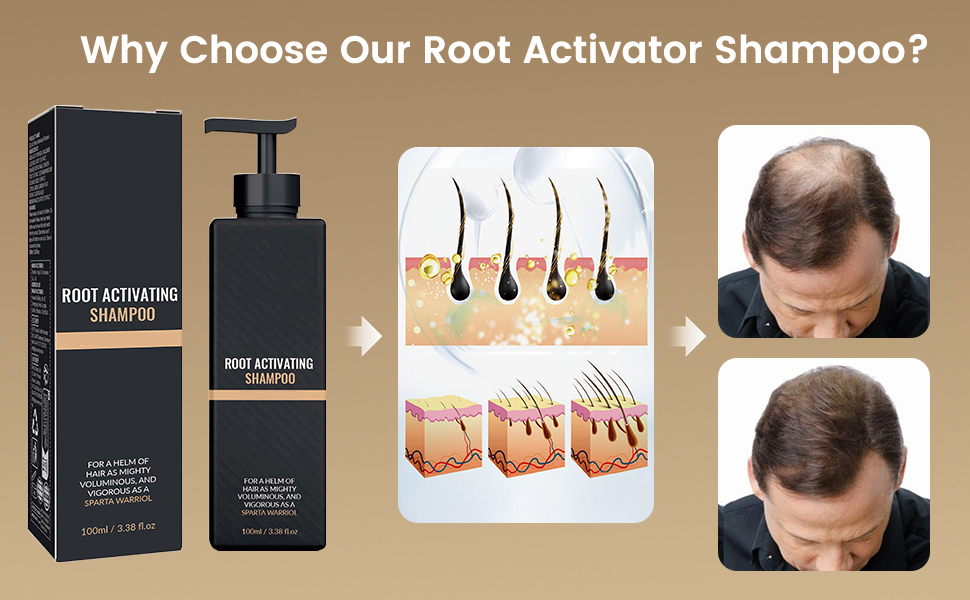
Spartan shampoo ingredients include cleansers, conditioning agents, plant extracts, and ingredients used in scalp care. The brand lists peppermint oil, caffeine, and melatonin. Its current Root Activator Shampoo 2.0 pages also highlight peptides and DMG.
These ingredients have different roles. Some wash away oil. Others improve hair feel or add a cooling effect. Their presence alone does not prove that the shampoo grows new hair.
The brand’s online lists also differ. Check the label on your bottle to confirm what your version contains.
Which Spartan Shampoo Ingredient List Should You Use
Start with the full product name. Root Activator Shampoo, Shampoo 2.0, conditioner, and spray are separate products. Do not use the ingredient list for one to judge another.
The Spartan shampoo help page lists several plant extracts. The current ingredient page highlights more ingredients for the 2.0 version.
The product page also shows different lists for the shampoo base. Some web content may not have been updated at the same time. We cannot tell which list matches your bottle from the product name alone.
Ask the seller for a clear label photo before buying. Check the version, full ingredient list, and batch details. If the website and bottle disagree, ask which information is correct.
The lists below explain ingredients published by the brand. They are not a single confirmed formula for every Spartan bottle.
Key Spartan Shampoo Ingredients and Their Roles
Start with what each ingredient is meant to do. Then check whether the evidence applies to the finished shampoo.
| Ingredient | What to know |
|---|---|
| Peppermint oil and menthol | Add mint scent and a cooling feel. Cooling is not proof of new growth. |
| Caffeine | Used in scalp products and studied in some formulas. Results depend on the product tested. |
| Melatonin | Listed in the scalp-care blend. Research on a leave-on product does not prove a shampoo has the same effect. |
| Rosemary oil | A plant oil used in hair care. Its name alone does not establish a growth benefit. |
| Sophora Flavescens Extract | Part of the botanical blend. The list does not show its amount or effect in this shampoo. |
| Copper Tripeptide-1 and Acetyl Tetrapeptide-3 | Peptides featured for version 2.0. Claims still need tests on the finished formula. |
| Dimethylglycine or DMG | Highlighted for version 2.0. Sharing an ingredient with a tested product does not ensure the same result. |
Peppermint oil
Peppermint oil can give shampoo a mint scent. Menthol adds a cool feeling on the scalp. That feeling does not tell you whether hair follicles are producing more hair.
A widely cited peppermint oil study looked at hair growth in mice. It did not test Spartan shampoo in people. The findings support more research, not a promise of human regrowth.
More tingling is not better. Do not use extra shampoo or leave it on longer to make the cooling effect stronger.
Angelica polymorpha sinensis root extract
The brand lists angelica polymorpha sinensis root extract among its botanical ingredients. This is a plant extract, not a proven hair-loss medicine.
A study of Angelica sinensis explored hair growth in mice. It used a specific extract and test method. We cannot assume that the extract in a shampoo has the same strength or effect.
Sophora flavescens extract
Sophora flavescens extract also appears in the brand’s published list. Its name tells you which plant is used. It does not tell you the dose, how the extract was made, or how it performs after rinsing.
A blend with many herbs is not automatically better than a simpler formula. The finished product needs to work well as a whole.
How the Shampoo Base Works
The cleansing base handles much of the work you notice during a wash. It affects foam, spread, rinsing, and how your hair feels afterward.
The brand’s published lists include the ingredients below. These are their usual roles in shampoo.
| Ingredient | Main role |
|---|---|
| Sodium Cocoyl Isethionate | Helps wash away oil and dirt |
| Cocamidopropyl Betaine | Helps with cleansing and foam |
| Glycerin | Attracts water |
| Hydroxypropyl Guar Hydroxypropyltrimonium Chloride | Helps hair feel smoother and easier to comb |
| Phenoxyethanol | Helps protect the product from microbes |
| Disodium EDTA | Binds metal ions that may affect the formula |
Some pages call these “inactive” ingredients. That does not mean they do nothing. The base helps deliver a useful wash and keeps the product stable.
Preservatives have a role too. A water-based shampoo needs protection during storage and use. A long ingredient name does not, by itself, mean the ingredient is harmful.
Judge the whole formula rather than one word on the label. Cleansing strength and hair feel depend on how the ingredients work together.
What the Ingredients Tell Us About Hair Growth
An ingredient may be studied for promoting hair growth. That does not prove every shampoo containing it will do the same.
For example, a 2025 trial studied a shampoo with DMG sodium salt and caffeine. It reported promising results. Those results belong to the tested formula and use method.
Spartan cannot be judged as equal to that product just because some names overlap. Ingredient levels, the base, and use directions may differ.
When reading a study or product claim, ask:
- Did it test the finished shampoo?
- Were the tests done in people or animals?
- Did it measure new growth, less breakage, or user opinion?
- Does the tested version match the bottle being sold?
Hair that looks fuller after washing is not proof of new growth. Less breakage is also a different result from treating hair loss at the root.
For a broader look at results and value, read Spartan Shampoo Does It Really Work for Hair Growth.
What to Check if Your Scalp Is Sensitive
Plant-based does not mean suitable for everyone. Essential oils and other shampoo ingredients can irritate some users or cause an allergy.
Cocamidopropyl betaine is common in cleansers. Reactions to it or related impurities are documented, as explained in DermNet’s allergy guide. This does not mean everyone needs to avoid it.
If you know your allergens, check the full bottle label. A short list of featured herbs is not enough.
- Follow the directions for your product.
- Rinse it off as instructed.
- Stop use if burning, a rash, or lasting itching occurs.
- Ask a dermatologist about repeated reactions or sudden hair loss.
Ingredient names alone cannot tell us how likely a formula is to irritate your scalp. The amounts used and tests on the finished product matter too.
Common Questions About Spartan Shampoo Ingredients
Does it contain minoxidil or finasteride
Neither appears in the brand lists reviewed here. Do not treat the shampoo as an equal replacement for prescribed hair-loss care.
Is Spartan shampoo chemical free
No shampoo is truly chemical free. Water and plant extracts are made of chemicals too. Focus on the formula, its testing, and whether it suits your skin.
Is the featured ingredient list complete
Not always. A sales page may highlight herbs and peptides while leaving out the cleansing base. Ask for the full current label.
What can private label brands learn
Keep the bottle, website, and leaflet consistent. Explain what each ingredient does without turning early research into a proven product claim.
Xiangxiang Daily offers private label shampoo manufacturing. Plan your formula around the target scalp type, cleansing needs, hair feel, and claims you can support. Xiangxiang Daily is not affiliated with Spartan.