Choosing the right shampoo partner is important for any hair care brand.
A good supplier should do more than fill bottles.
It should help with formula ideas, packaging, samples, quality checks, and stable production.
This guide reviews 10 shampoo manufacturers and hair care companies.
It also explains what B2B buyers should check before choosing a private label or OEM shampoo supplier.
As a shampoo and conditioner manufacturer, Xiangxiang Daily supports private label shampoo, conditioner, hair mask, hair oil, scalp care, and full hair care product lines.
How to Read This Shampoo Manufacturer List
Some companies in this list are global consumer brands.
They are useful market references.
They show how strong shampoo lines are built for retail, salon, supermarket, and e-commerce channels.
But not every global brand is suitable for private label production.
B2B buyers should use this list in two ways.
- Study big brands for product trends and market positioning.
- Use the buyer checklist to choose a real production partner.
If your goal is to launch your own shampoo line, you need a supplier that can support formulas, packaging, minimum order quantity (MOQ), samples, quality control, and repeat orders.
For wider product planning, buyers can also review our hair care manufacturer category.
1. Xiangxiang Daily
Overview
Xiangxiang Daily is a personal care and hair care manufacturer in China.
We support global buyers with private label shampoo, conditioner, hair mask, hair oil, scalp care, and hair styling products.
Our service covers ready formulas, custom formulation, packaging options, sample review, bulk production, quality checks, and export support.
This makes Xiangxiang Daily suitable for beauty brands, distributors, salons, spas, online sellers, supermarkets, hotel buyers, and wholesale importers.
Product Options
- Sulfate-free shampoo and conditioner.
- Anti dandruff shampoo.
- Color safe shampoo for treated hair.
- Oily scalp shampoo for hot markets.
- Repair shampoo and hair mask sets.
- Clean beauty shampoo with natural-inspired ingredients.
- Salon shampoo lines.
- Mini shampoo for hotel, travel, and trial packs.
Strengths
- Private label support: Buyers can build shampoo products under their own brand.
- Formula options: We support ready formulas, semi-custom formulas, and custom formulation.
- Wide hair care range: Buyers can develop shampoo with conditioner, mask, oil, scalp care, and styling products.
- Packaging support: We can help with bottles, pumps, caps, labels, cartons, and product sets.
- Quality control: We help review texture, scent, viscosity, filling, packaging, leakage, and batch consistency.
For custom production, buyers can start with our private label shampoo manufacturer service.
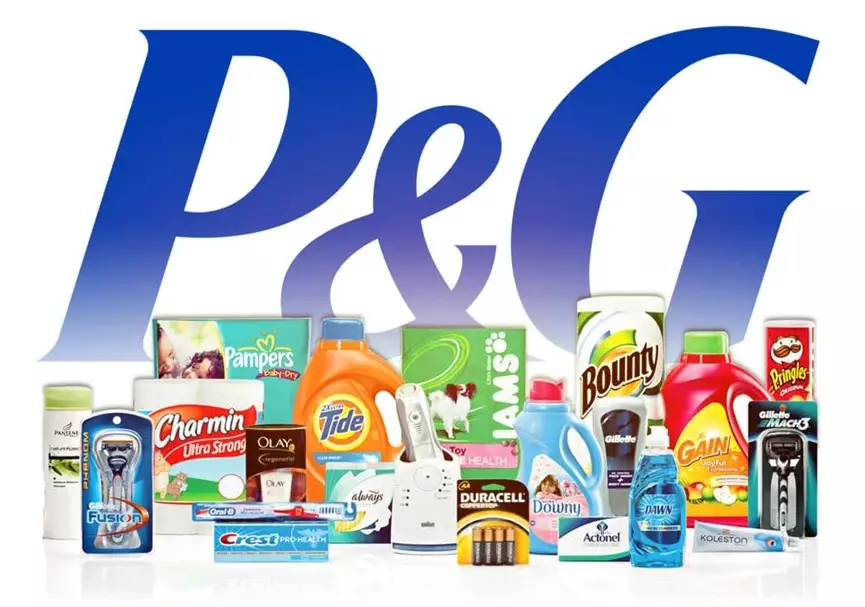
2. Procter & Gamble (P&G)
Overview
Procter & Gamble is one of the largest consumer goods companies in the world.
It owns many well-known shampoo and personal care brands.
For B2B buyers, P&G is useful as a market reference.
It shows how one company can build different shampoo lines for dandruff care, repair, smoothness, volume, and daily cleansing.
Key Brands
- Head & Shoulders
- Pantene
- Herbal Essences
Strengths
- Strong R&D: P&G invests heavily in product research.
- Wide market reach: Its brands are sold in many countries.
- Clear product segmentation: Its shampoo lines target different hair and scalp needs.
Private label buyers can study P&G for product naming, benefit claims, packaging style, and retail shelf strategy.
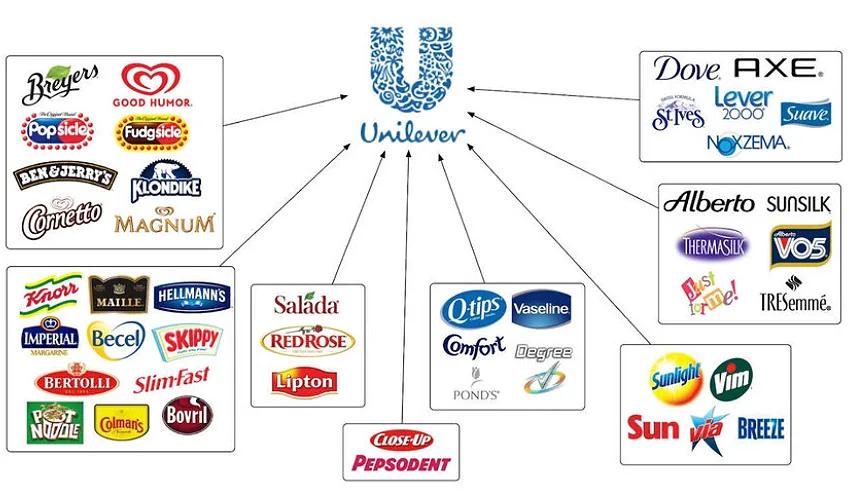
3. Unilever

Overview
Unilever is a major company in personal care and beauty.
It offers shampoo products for many hair types and target markets.
Its brands are useful references for mass-market shampoo products.
Key Brands
- Dove
- TRESemmé
- Sunsilk
Strengths
- Brand trust: Many consumers already know these brands.
- Product variety: The company offers shampoos for dry hair, damaged hair, frizz, volume, and salon-style care.
- Market fit: Its products show how shampoo can be adapted for different regions.
For private label buyers, Unilever-style product lines show the value of clear positioning.
A shampoo brand should not sell one product only.
It should build a line for different hair concerns and price levels.
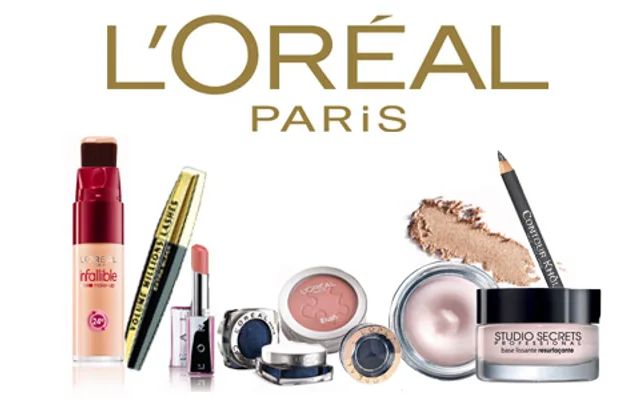
4. L’Oréal

Overview
L’Oréal is a leading beauty group with strong hair care expertise.
It covers both consumer and professional salon products.
This makes it a useful reference for buyers who want premium shampoo or salon hair care lines.
Key Brands
- L’Oréal Paris
- Kérastase
- Garnier
Strengths
- Professional range: L’Oréal has both retail and salon products.
- Formula innovation: Its products often focus on hair repair, color care, scalp care, and texture.
- Strong global influence: Its product structure can help buyers understand market trends.
Buyers can study L’Oréal for color safe shampoo, repair shampoo, scalp care shampoo, and premium fragrance direction.
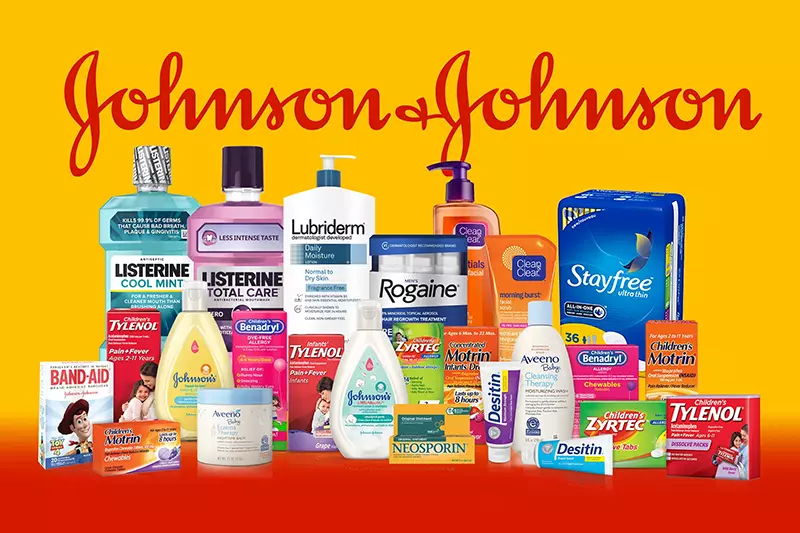
5. Johnson & Johnson

Overview
Johnson & Johnson is known for healthcare and personal care products.
Its shampoo products are often linked with gentle care.
This makes it a useful reference for mild formulas and family care products.
Key Brands
- Johnson’s Baby
- OGX
Strengths
- Gentle positioning: The brand is known for mild care.
- Consumer trust: Its products are familiar to many families.
- Formula focus: Its product style can inspire mild daily shampoo lines.
Private label buyers can study this type of brand for baby shampoo, sensitive scalp shampoo, family shampoo, and mild cleansing products.
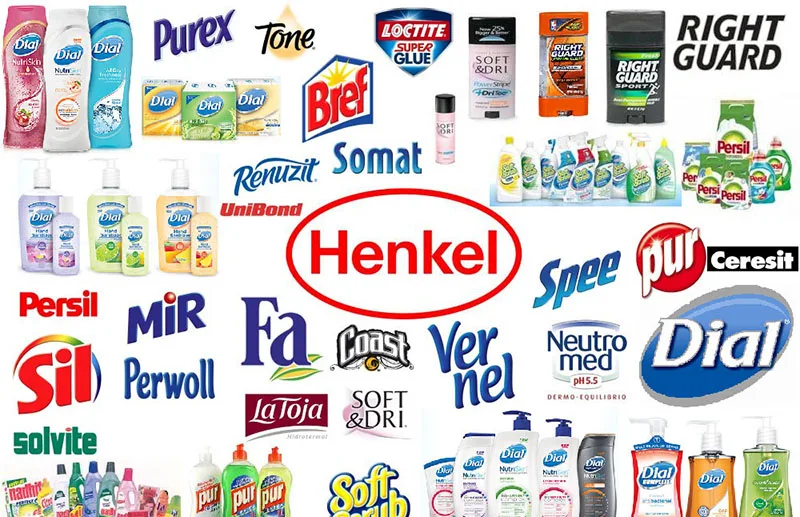
6. Henkel

Overview
Henkel is known for beauty care and professional hair products.
It has strong experience in salon-related hair care.
This makes it useful for brands that want to build professional shampoo products.
Key Brands
- Schwarzkopf
- Syoss
Strengths
- Professional image: Henkel is strong in salon and hair color care.
- Product innovation: Its hair care products often target repair, color protection, and styling support.
- Category depth: It shows how shampoo can connect with conditioner, mask, color care, and styling products.
For B2B buyers, Henkel is a good reference for salon shampoo sets and color safe product lines.
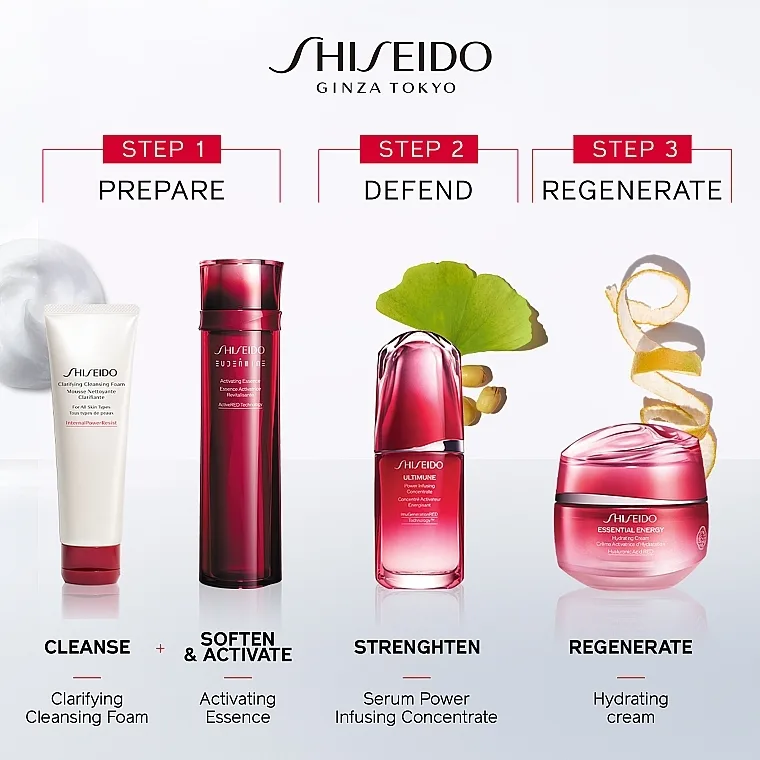
7. Shiseido

Overview
Shiseido is a Japanese beauty company with premium hair care products.
It blends beauty, science, texture, and fragrance.
Its products are useful references for premium Asian hair care.
Key Brands
- Shiseido Professional
- TSUBAKI
Strengths
- Premium image: Shiseido is known for quality and brand value.
- Texture focus: Its products often highlight smoothness, shine, and soft hair feel.
- Asian market fit: It can guide buyers targeting Asian hair care routines.
Buyers can study Shiseido-style products for premium shampoo, hair mask, and hair oil sets.
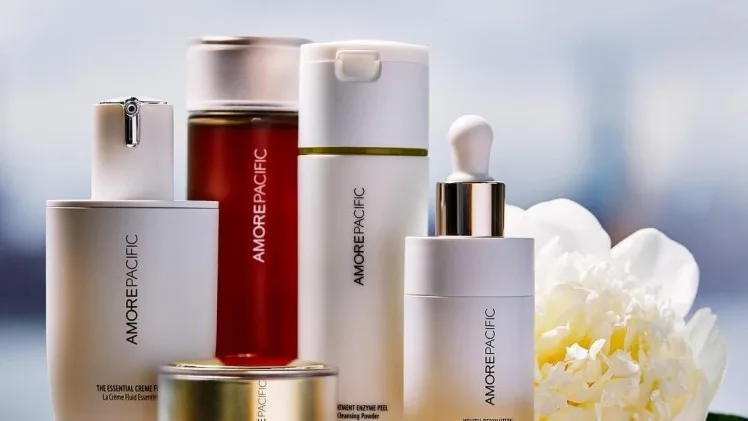
8. Amorepacific

Overview
Amorepacific is a South Korean beauty group.
It is known for K-beauty trends and modern personal care products.
Its hair care brands are useful for buyers who want Korean-style product stories.
Key Brands
- Ryo
- Mise en Scène
Strengths
- Ingredient stories: Some products use herbal or natural-inspired concepts.
- Modern formulas: The brand style fits younger consumers and trend-led markets.
- K-beauty influence: It helps buyers understand Korean beauty positioning.
For private label shampoo, this can inspire scalp care, anti-frizz, repair, and perfume shampoo ideas.
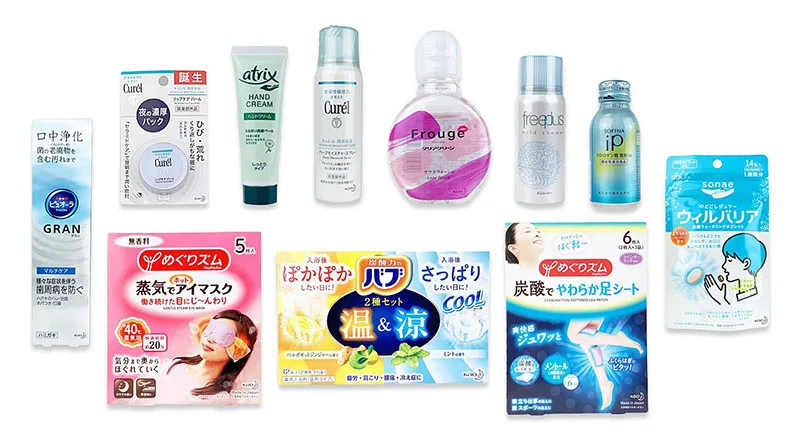
9. Kao Corporation

Overview
Kao Corporation is a major Japanese personal care company.
It offers shampoo products that focus on quality and daily care.
It is useful for buyers studying everyday shampoo products and repeat purchase products.
Key Brands
- Essential
- Asience
Strengths
- Research-driven products: Kao is known for consumer-focused product development.
- Daily care focus: Its shampoo products often fit frequent use.
- Clear product claims: Buyers can study how Kao explains smoothness, repair, and easy combing.
This type of brand is useful for building family shampoo, daily shampoo, and mass-market hair care lines.
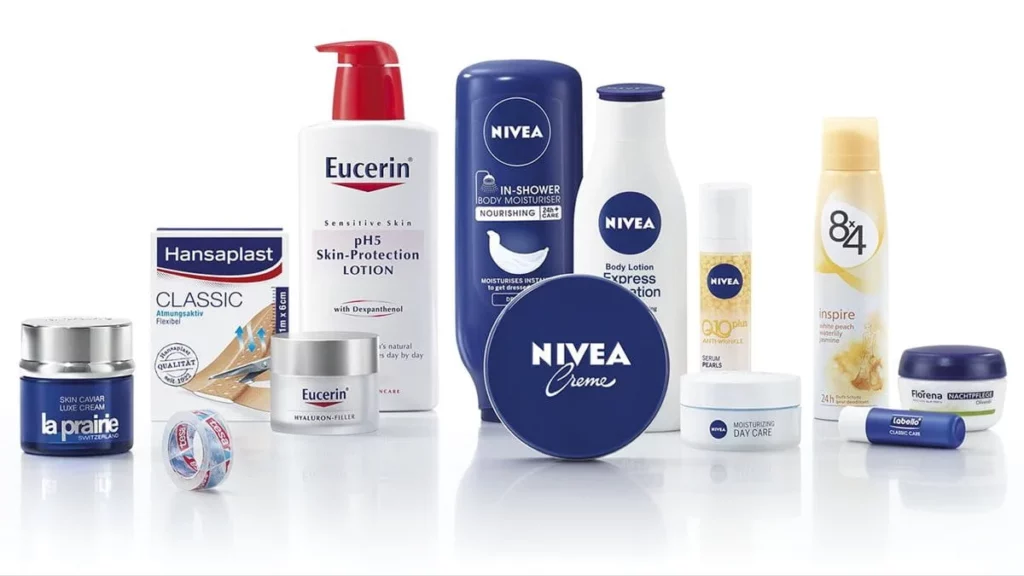
10. Beiersdorf

Overview
Beiersdorf is a German company known for skin care expertise.
Its brand knowledge can also help buyers think about scalp care and sensitive care positioning.
Key Brands
- NIVEA
- Eucerin
Strengths
- Skin science image: The company is linked with dermatological care.
- Trust: Its brands are known in many markets.
- Care positioning: Buyers can study how skin care language connects with scalp care.
This is useful for brands planning gentle shampoo, scalp care shampoo, and sensitive-care product stories.
What B2B Buyers Should Check Before Choosing a Shampoo Supplier
A big brand is not always the best production partner.
Private label buyers need a supplier that can support the real project.
Here are the key points to check.
- Formula ability: Ask if the supplier can support ready formulas, custom formulation, or formula matching.
- Product type: Check if the factory can make sulfate-free, anti dandruff, color safe, repair, volume, oily scalp, or scalp care shampoo.
- Minimum order quantity (MOQ): The MOQ should fit your launch plan, budget, bottle size, and packaging choice.
- Packaging: Check bottles, pumps, caps, labels, cartons, and leakage risk.
- Quality control: Review viscosity, color, scent, filling weight, batch stability, and packaging quality.
- Good manufacturing practices (GMP): Ask how the factory controls raw materials, mixing, filling, storage, cleaning, and production records.
- Lead time: Ask how long samples and bulk production take.
- Export support: Ask about carton marks, shipping documents, and product documents.
- Repeat order ability: Future batches should stay close to the approved sample.
Good manufacturing practices (GMP) are useful for checking how a factory manages production quality.
Buyers can review the FDA cosmetic GMP checklist and the ISO 22716 cosmetics GMP standard for general quality references.
For factory quality planning, you can also review Xiangxiang Daily’s cosmetic quality control page.
Common Shampoo Formulas for Private Label Brands
A strong shampoo line should match the target market.
One formula cannot serve every buyer.
Here are common directions for private label shampoo projects.
| Shampoo Type | Product Story | Buyer Fit |
|---|---|---|
| Sulfate-Free Shampoo | Gentle cleansing, color care, dry hair support | Beauty brands, salons, online sellers |
| Anti Dandruff Shampoo | Scalp care, flake control, fresh feeling | Pharmacy channels, supermarkets, men’s care |
| Color Safe Shampoo | Gentle wash for dyed or treated hair | Salons, hair color brands, premium retail |
| Repair Shampoo | Damaged hair, smoother feel, easy combing | Retail brands, salon sets, e-commerce |
| Oily Scalp Shampoo | Fresh roots, light feel, clean rinse-off | Hot markets, active users, daily wash routines |
| Clean Beauty Shampoo | Natural-inspired story, simple label, gentle care | Clean beauty brands, specialty stores |
For markets with hot and humid weather, buyers often need a light rinse-off feel.
For salons, fragrance and after-wash texture are very important.
For online sellers, clear product claims and bundle design can help conversion.
Our article on private label shampoo products for the Philippines market gives more ideas for humid-market hair care planning.
Ready Formula or Custom Formulation?
Many shampoo buyers ask this question.
Should I choose a ready formula or a custom formulation?
Both can work.
The better choice depends on budget, timeline, and target market.
Ready formula: This is useful for a faster launch.
It can work for online sellers, salons, distributors, and retailers testing a new shampoo line.
Custom formulation: This is better when you need a unique formula story.
It can support a special scent, texture, ingredient story, hair concern, or clean beauty position.
Semi-custom option: This is between the two.
Buyers may adjust fragrance, color, viscosity, packaging, or claim direction based on an existing formula.
For many new brands, a semi-custom path can reduce time and cost.
For established brands, custom development can help create stronger product differentiation.
For a full service path, Xiangxiang Daily provides OEM and ODM personal care services for shampoo, conditioner, hair mask, and other personal care projects.
How Xiangxiang Daily Supports Private Label Shampoo Projects
Xiangxiang Daily helps buyers develop private label shampoo and related hair care products.
Our support can include formula advice, sample preparation, packaging options, label support, bulk production, quality checks, and export communication.
Common product ideas include:
- Sulfate-free shampoo and conditioner set.
- Anti dandruff shampoo for scalp care.
- Color safe shampoo for treated hair.
- Repair shampoo and hair mask set.
- Oily scalp shampoo for hot markets.
- Clean beauty shampoo with natural-inspired ingredients.
- Salon shampoo line for professional channels.
- Mini shampoo bottles for hotels, travel, and trial packs.
Buyers can also build a wider hair care line with hair mask manufacturer, private label hair oil manufacturer, and scalp treatment manufacturer support.
Quality Checks Before Large Scale Production
Quality checks should happen before bulk production.
This is important for every shampoo line.
Buyers should review the approved sample carefully.
Then they should confirm that bulk goods stay close to that sample.
Key checks include:
- Appearance and color.
- Fragrance and after-smell.
- Viscosity and flow.
- Foam and rinse-off feel.
- Scalp feel after washing.
- Packaging fit and leakage risk.
- Label and carton accuracy.
- Batch consistency.
- Hot and cold stability.
- Export packing strength.
A good formula can still fail if the bottle leaks.
It can also fail if the scent changes, the product separates, or the pump does not work.
This is why quality control should cover both the formula and the packaging.
For larger projects, our cosmetics manufacturing support can help with production planning, filling, packing, inspection, and shipment preparation.
Final Thoughts
The best shampoo manufacturer depends on your business goal.
Xiangxiang Daily can support buyers who need a real private label shampoo production partner.
Global companies like P&G, Unilever, L’Oréal, and Shiseido are useful market references.
They show how strong shampoo brands build product lines, claims, packaging, and consumer trust.
But private label buyers need more than inspiration.
They need a supplier that can support formulas, minimum order quantity (MOQ), packaging, samples, good manufacturing practices (GMP), quality checks, and export work.
Xiangxiang Daily can help global buyers develop shampoo, conditioner, hair mask, hair oil, scalp care, and full hair care product lines.
For custom shampoo production, start with our private label shampoo manufacturer service.
Frequently Asked Questions
Q1: What should I check before choosing a shampoo manufacturer?
Check formula ability, minimum order quantity (MOQ), packaging support, quality control, sample speed, lead time, export support, and repeat order stability.
Q2: Can Xiangxiang Daily support custom formulation?
Yes. Xiangxiang Daily can support ready formulas, semi-custom products, and custom formulation for shampoo and hair care products.
Q3: What shampoo formulas can private label buyers develop?
Common options include sulfate-free shampoo, anti dandruff shampoo, color safe shampoo, repair shampoo, oily scalp shampoo, clean beauty shampoo, and salon shampoo.
Q4: What is the typical minimum order quantity (MOQ) for private label shampoo?
Minimum order quantity (MOQ) depends on formula type, packaging, bottle size, label process, and customization level. Buyers should confirm MOQ before sampling.
Q5: Why are good manufacturing practices (GMP) important?
Good manufacturing practices (GMP) help buyers understand how a factory controls raw materials, production, filling, storage, cleaning, and batch records.
Q6: Can I build a full shampoo line instead of one product?
Yes. Many buyers build shampoo with conditioner, hair mask, hair oil, scalp treatment, and styling products for a stronger retail offer.
Q7: Why is quality control important for shampoo?
Shampoo quality depends on formula stability, scent, viscosity, foam, rinse-off feel, packaging fit, leakage control, and batch consistency.
Q8: Can Xiangxiang Daily support export orders?
Yes. Xiangxiang Daily can support product planning, production communication, quality checks, packing details, and export preparation for global buyers.