
What is demi-permanent hair color? It is a type of hair dye that is usually mixed with a developer to deposit color into the hair. It gradually fades with washing and can be used to refresh a shade, add shine, or blend gray hair.
Demi-permanent color is a useful option if you want a change that is less lasting than permanent hair color. Here is how it works, how long it lasts, and who may want to try it.
How Does Demi-Permanent Hair Color Work?
Demi permanent hair color uses a developer to help deposit color beneath the outer cuticle of the hair shaft. It is mainly designed to add depth or change the tone of your existing color.
For example, you might use demi-permanent color to make brown hair look richer, refresh faded red hair, or adjust the tone of previously lightened hair.
Many demi-permanent formulas are ammonia free. However, ingredients vary by product, so check the label if an ammonia-free formula is important to you.
How Long Does Demi-Permanent Hair Color Last?
Demi-permanent color can last for around 24 to 28 washes, depending on the formula. Your results may be shorter or longer.
Several factors affect how quickly the color fades:
- Washing frequency: More frequent washing may cause faster fading.
- Hair condition: Porous or damaged hair may absorb and release color differently.
- Starting shade: Previously lightened hair can hold some pigments longer.
- Product choice: Different formulas and shades have different staying power.
Demi-permanent hair color fades over time, but it may not wash out completely. Some pigment can remain, especially on porous or previously bleached hair.
Demi-Permanent vs. Semi-Permanent Hair Color
The main difference is that demi-permanent color is usually mixed with a developer. Semi-permanent color is generally applied without one.
Demi-permanent color often lasts longer and can be useful for adding depth or blending gray hair. Semi-permanent color is often chosen for a shorter-term refresh or a creative shade.
Results depend on the product and your type of hair. Always read the directions for the specific dye you use.
Demi-Permanent vs. Permanent Hair Color
| Feature | Demi-Permanent Color | Permanent Hair Color |
|---|---|---|
| Developer | Usually uses a lower-volume developer | Uses a developer |
| Longevity | Gradually fades with washing | Creates a lasting color change as hair grows |
| Lightening | Mainly deposits or adjusts color | Can lighten natural hair, depending on the formula |
| Gray hair | Often used for blending | Often chosen for more complete coverage |
Permanent hair color can still fade, but the treated hair does not simply return to its original shade. New growth will show at the roots.
What Is Demi-Permanent Hair Color Used For?
A stylist may recommend demi-permanent color for several goals:
- Refreshing faded color: Add tone back to colored hair.
- Adding depth: Make an existing shade look richer.
- Toning: Adjust warm or cool tones in lightened hair.
- Blending gray: Make gray strands less noticeable.
- Trying a subtle change: Explore a new tone without choosing permanent color.
The final result depends on your starting shade. A color that looks warm on blonde hair may look different on dark brown hair.
Does Demi-Permanent Hair Color Cover Gray Hair?
It can blend gray hair and make it less noticeable. The amount of coverage depends on the formula, chosen shade, and how much gray hair you have.
Demi-permanent color may suit you if you prefer a softer result. If your goal is more complete gray coverage, ask a stylist whether permanent hair color would be a better choice.
Can Demi-Permanent Color Lighten Hair?
Demi-permanent color is mainly designed to deposit or adjust color. Some formulas may create a small amount of lift, but they are not usually the best choice for a major lightening change.
For example, a demi-permanent gloss will not usually turn dark brown hair blonde. That result may require lightening first. A stylist can assess your hair and explain the steps needed.
Is Demi-Permanent Hair Color Damaging?
Demi-permanent formulas usually create less lift than permanent color. Still, any coloring process can affect hair, especially if it has already been bleached or chemically treated.
If your hair feels fragile, ask a professional to assess it before coloring. A strand test can also help you see the result on a small section of hair.
How to Use Demi-Permanent Hair Color Safely
Follow the instructions supplied with your product. Use only the recommended developer and do not leave the dye on longer than directed.
Before each use, perform the allergy test described in the instructions. Wear gloves, and do not apply dye to an irritated or damaged scalp. Do not use hair dye on your eyebrows or eyelashes at home.
If you have reacted to hair dye before, speak with a healthcare professional before using it again.
How to Care for Demi-Permanent Color
A simple hair care routine can help maintain your shade:
- Use shampoo and conditioner suitable for color-treated hair.
- Wash with lukewarm water instead of very hot water.
- Limit heat styling and use a suitable heat protectant.
- Follow your stylist’s advice on when to refresh your color.
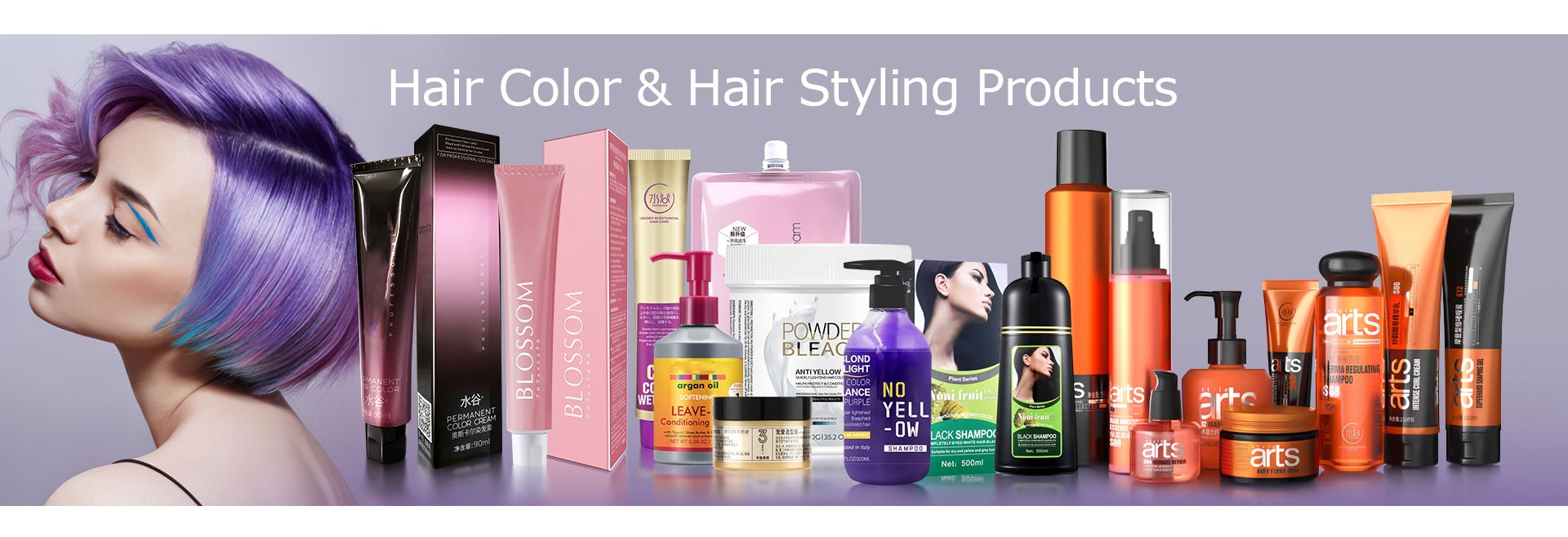
For businesses developing color-care products, explore our private label shampoo range.
Frequently Asked Questions
Does demi-permanent hair color wash out completely?
It fades with washing, but some pigment may remain. This is more likely on porous or previously lightened hair.
Does demi-permanent hair color need a developer?
Yes. It is usually mixed with a developer. Use the type and mixing ratio specified by the product manufacturer.
Can I use demi-permanent color on natural hair?
Yes. It can add tone or depth to natural hair. The result depends on your starting shade and the formula you choose.
Is demi-permanent color always ammonia free?
Many formulas are ammonia free, but not all products are identical. Check the ingredient list before use.
Who should choose demi-permanent color?
It may suit someone who wants to refresh a shade, add tone, or softly blend gray hair. For a major lightening change or more complete gray coverage, discuss other options with a stylist.