Body oil vs lotion is a common question in body care. Both products can help skin feel soft. But they feel different on the skin.
Body oil is often used for glow, massage, scent layering, and a silky finish. Lotion is often used for daily hydration and easy full-body care.
The best choice depends on skin type, weather, texture, and routine. Some consumers use one product. Others use both together.
This topic is also useful for body care brands. A personal care manufacturer can help brands plan body oil, body lotion, body cream, body scrub, body wash, and full body care sets.
1) Main Difference
The main difference is the formula base. Body oil is oil-based. Lotion is usually water-based.
A lotion often contains water, glycerin, oils, and skin feel agents. This helps it spread fast and feel light.
Body oil has no water phase in most formulas. It uses oils, esters, scent, and sometimes shimmer or botanical extracts.
Body oil helps skin look glowy and feel smooth. It can also support massage, spa care, dry skin routines, and scent layering.
Lotion is often used for water based hydration. It feels easy after a shower and works well for daily use.
| Product Type | Texture | Best For | Common Positioning |
|---|---|---|---|
| Body Oil | Silky, smooth, oil-based | Glow, massage, dry skin, spa care | Radiance, soft skin, body glow, scent layering |
| Body Lotion | Light, creamy, water-based | Daily hydration, full-body care, hot weather | Hydration, comfort, non-greasy daily use |
For brands, this difference matters. A glow oil can support premium body care and spa lines. A lotion can support daily use and repeat purchase.
Xiangxiang Daily supports this category through private label body oil manufacturer services for beauty brands, spas, salons, e-commerce sellers, distributors, and wholesale buyers.
2) Benefits of Body Oil and Lotion
The benefits of body oil are linked to glow, slip, softness, and smooth skin feel.
Oil can help form a soft protective barrier on the skin surface. This may help reduce the feeling of moisture loss after showering.
Lotion has a different role. It can give a light moisture feel. It can also support water based hydration.
Use body oil when: skin needs glow, massage slip, scent layering, or richer dry skin care.
Use lotion when: skin needs daily hydration, fast spread, light moisture, or a less oily finish.
Use both when: the routine targets dry skin, glow care, spa care, or premium body care.
Many consumers apply lotion first and oil after. Lotion gives a fresh moisture feel. Oil can help seal in a soft skin finish.
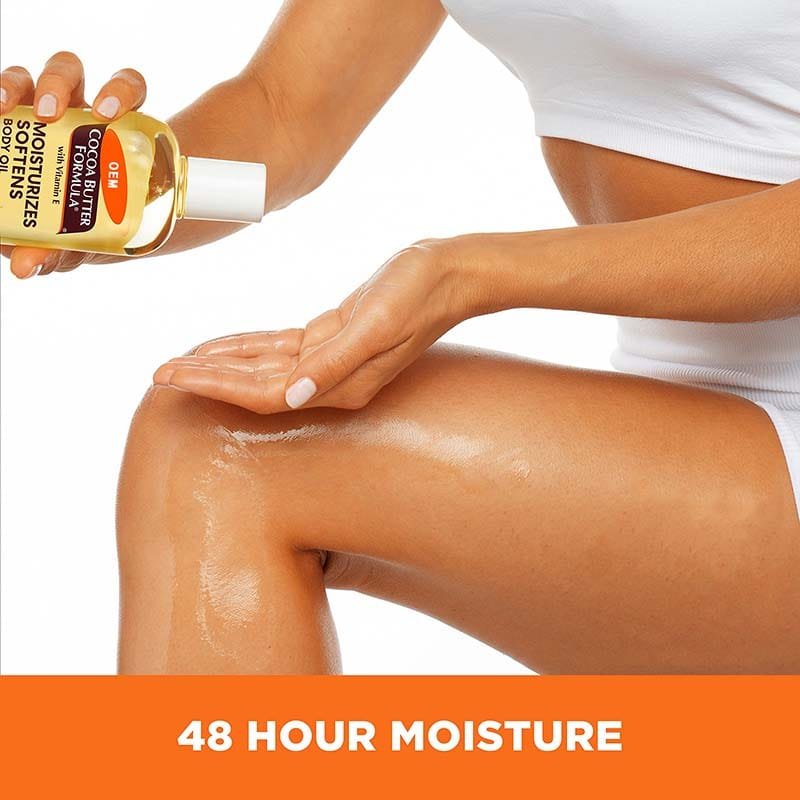
Oil can also be used on damp skin. This helps it spread better and feel less heavy.
For brands, this creates a strong set idea. A body wash, scrub, lotion, and oil can work together as a full routine.
3) Formula Texture and Ingredients
Body oil and lotion can both support soft skin. But their ingredient systems are different.
Body oil usually uses plant oils, esters, vitamin-style ingredients, scent, and sometimes shimmer.
Lotion usually uses water, glycerin, oils, butters, scent, and a system that keeps the formula stable.
Common body oil ingredients: Sunflower oil, jojoba oil, coconut oil, almond oil, argan oil, grapeseed oil, squalane, vitamin E, and fragrance.
Common lotion ingredients: Water, glycerin, aloe vera, hyaluronic acid, panthenol, niacinamide, shea butter, cocoa butter, light oils, and plant extracts.
For glow care: Light oils, shimmer, vitamin-style ingredients, and tropical scents can support a body glow story.
For dry skin: Shea butter, cocoa butter, glycerin, oat extract, panthenol, and richer oils can support a soft body care line.
For skin barrier support: Oils, butters, ceramides, oat extract, and panthenol can support a skin barrier care story. Brands should use safe cosmetic wording.
For massage products: A smooth oil blend should give enough slip. It should not feel too sticky or too heavy.
For scent layering: Vanilla, coconut, musk, rose, lavender, citrus, amber, and tropical fruit scents can pair with lotion, body mist, or perfume.
As a private label body care manufacturer, Xiangxiang Daily can help brands match texture, scent, oil blend, lotion base, packaging, and market needs.
4) Product Ideas for Body Care Brands
Oil and lotion products can be sold alone. They can also be sold as a full body care line.
The best concept depends on the target market, price level, and sales channel.
Glow Body Oil: A light oil for radiant-looking skin, summer body care, and beauty retail lines.
Massage Body Oil: A smooth oil blend for spas, salons, hotels, and massage routines.
Dry Skin Body Lotion: A daily moisturizer with glycerin, shea butter, panthenol, or oat extract.
Skin Barrier Lotion: A body moisturizer with oat extract, panthenol, ceramides, or shea butter positioning. It can focus on comfort and dry skin routines.
Scent Layering Lotion: A scented lotion made to pair with body mist, perfume, or body oil.
Shimmer Body Oil: A glow product for beauty retailers, online sellers, summer campaigns, and event use.
Body Oil and Lotion Set: A two-step routine for dry skin, glow care, and gift set packaging.
Spa Body Care Set: A full line with body wash, scrub, lotion, massage oil, and body mist.
A related article, body butter vs body lotion for dry skin, can support the body moisturizer content cluster and help buyers compare richer body care formats.
Useful product links include private label body lotion manufacturer support for moisturizers, body wash manufacturer support for cleansing products, and body scrub manufacturer support for exfoliating routines.
5) Packaging Market Fit and Claims
Packaging should match the formula and use habit. Oil needs good leakage control. Lotion needs good pump or squeeze performance.
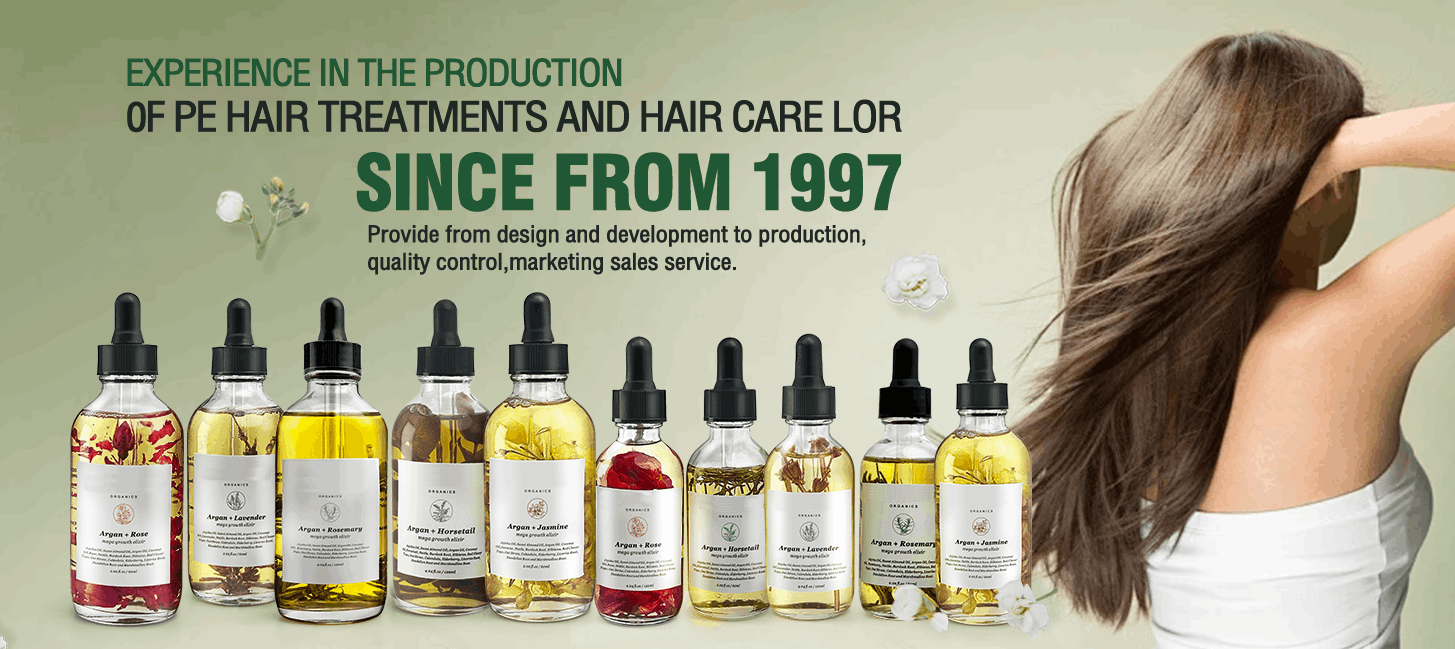
Body oil packaging: Pump bottles, dropper bottles, spray bottles, glass bottles, and PET bottles are common choices.
Lotion packaging: Pump bottles, squeeze bottles, tubes, jars, and mini bottles are common choices.
Mini packaging: Small bottles work well for travel kits, hotel sets, beauty boxes, sampling, and online bundles.
Salon size: Larger bottles can work for spas, salons, hotels, and backbar use.
Market fit also matters. In the Philippines, light lotion, dry-touch oil, tropical scent, and non-greasy feel may work well.
In Nigeria, richer body oil, shea body lotion, glow care, dry skin care, and strong scent stories may have stronger appeal.
For beauty retailers, oil can be sold with body scrub and lotion. For spas, massage oil and body cream can work well.
For online sellers, texture videos and glow visuals can help conversion.
Safer claim language includes:
- Leaves skin feeling soft and smooth.
- Supports a glowing skin look.
- Helps improve the feel of dry skin.
- Helps reduce the feeling of moisture loss.
- Supports a soft protective barrier on the skin surface.
- Lightweight oil for daily body care.
- Rich lotion for dry skin routines.
- Silky texture for massage and spa care.
- Non-greasy feel for everyday use.
Brands should avoid medical or unsupported skin treatment claims. Cosmetic wording should focus on skin feel, glow, softness, comfort, moisture feel, and routine use.
6) Manufacturing Quality and Sampling
For B2B projects, oil and lotion products should start with a clear goal. The formula should match the skin feel, market, packaging, and sales channel.
Formula checks: Oil should have a stable look, good spread, pleasant scent, and suitable after-feel. Lotion should have stable thickness, smooth texture, and good absorption feel.
Skin feel checks: The product should not feel too sticky, too greasy, too thin, or too heavy. A good after-feel can help repeat purchase.
Packaging checks: Pumps, caps, droppers, sprays, bottles, labels, and cartons should be tested before shipment.
Leakage checks: Oil products need special leakage testing. Oil can also affect labels, cartons, and bottle appearance.
Hot climate checks: Oils, scent, shimmer, and lotion texture should be checked under heat and storage conditions.
Claim checks: Product pages should explain texture, use method, skin type, and claim limits clearly.
Before bulk production, brands can review cosmetic quality control needs such as stability, packaging fit, leakage, microbial control, label adhesion, and carton strength.
If your brand needs full product planning, OEM and ODM personal care services can help connect formula direction, fragrance, packaging, sampling, filling, and export needs.
For larger orders, cosmetics manufacturing support can also help with production planning, filling, packaging, quality review, and export preparation.
Before sampling, brands should prepare a simple brief.
- Do you want body oil, lotion, body cream, massage oil, or a full body care set?
- Is the product for dry skin, glow care, massage, scent layering, daily hydration, or skin barrier care?
- Should the texture feel light, rich, silky, creamy, dry-touch, or fast-absorbing?
- Do you prefer coconut oil, jojoba oil, sunflower oil, shea butter, glycerin, oat extract, or hyaluronic acid?
- Do you need pump bottle, dropper bottle, spray bottle, tube, jar, mini size, or salon size?
- Which market and sales channel will the product target first?
Conclusion
Body oil vs lotion is mainly a question of texture, formula base, and use goal.
Body oil is oil-based. It works well for glow, massage, scent layering, and a silky finish.
Lotion is usually water-based. It works well for daily hydration and easy full-body use.
For consumers, both products can be useful. Lotion can support water based hydration. Oil can help create a smooth protective barrier and reduce the feeling of moisture loss.
For body care brands, both formats can build a stronger product line. A body oil and lotion set can serve dry skin routines, spa care, beauty retail, e-commerce bundles, and wholesale channels.
If you are planning a private label body care line, Xiangxiang Daily can help develop body oil, massage oil, lotion, body cream, body scrub, body wash, and full body care sets with suitable formula, scent, packaging, and market direction.
For custom production, our body oil and massage oil manufacturer service can support beauty brands, spas, salons, online sellers, distributors, supermarkets, and wholesale buyers.
FAQ — Body Oil vs Lotion
Q1: What is the main difference between body oil and lotion?
Body oil is usually oil-based and gives a silky glow. Lotion is usually water-based and works well for daily hydration.
Q2: What are the benefits of body oil?
The main benefits of body oil include glow, smooth skin feel, massage slip, scent layering, and a soft protective barrier on the skin surface.
Q3: Is body oil better than lotion for dry skin?
Body oil can help dry skin feel soft and smooth. Lotion can add daily moisture feel. Many consumers use both in one routine.
Q4: Does lotion support water based hydration?
Yes. Lotion usually contains water, glycerin, oils, and skin feel agents. It can support water based hydration and daily body care.
Q5: Should consumers apply body oil or lotion first?
Many routines use lotion first and body oil after. Oil can also be used on damp skin for better spread.
Q6: Can body oil help with moisture loss?
Oil can help form a soft surface layer that reduces the feeling of moisture loss. Brands should use careful cosmetic wording for this claim.
Q7: What ingredients are common in body oil?
Common choices include sunflower oil, jojoba oil, coconut oil, almond oil, argan oil, grapeseed oil, squalane, vitamin E, and fragrance.
Q8: What packaging is best for body oil?
Pump bottles, dropper bottles, spray bottles, glass bottles, and PET bottles are common choices. Leakage testing is important.
Q9: What should brands prepare before contacting a manufacturer?
Prepare the target market, product type, texture goal, oil blend, scent direction, packaging idea, benchmark product, claim direction, and sales channel.