Volume shampoo helps fine or flat hair look fuller by cleansing away oil and buildup while keeping the finish relatively lightweight. Some formulas also contain ingredients that make individual strands feel more substantial.
The right choice depends on more than the word “volume” on the bottle. Your scalp, hair texture, styling routine, and need for moisture all affect the result. This guide explains what to look for and how to get a fuller-looking finish without sacrificing softness.
What Is Volume Shampoo?
Volume shampoo is a cleanser designed to give hair a fuller, less weighed-down appearance. It is often marketed to people with fine, flat, or limp hair, although other hair types can use it too.
Oil, styling products, and rich hair treatments can make strands sit close to the scalp. A formula that removes this buildup and leaves a lighter finish may help hair move more freely. Some products also use proteins or conditioning ingredients that give the hair a thicker feel.
Results vary by formula and hair type. A shampoo may improve the appearance of body, but it will not create new hair follicles or permanently increase the number of hairs on your head.
Who Should Use a Volumizing Shampoo?
A volumizing formula may be worth trying if your hair looks flat soon after washing or feels heavy when you use richer products. It can be especially useful for the following hair types and concerns.
- Fine hair: Individual strands are narrow and may be easily weighed down by rich products.
- Flat roots: Hair sits close to the scalp and needs more lift at the roots.
- Oily hair: Oil can make strands clump together and look less full between washes.
- Fine, color-treated hair: A lightweight formula may help maintain body, provided it also suits your color-care needs.
Fine hair describes the width of each strand. Thin hair refers to having less hair coverage on the scalp. You can have fine strands and plenty of hair, or thicker strands and lower density. That distinction matters when choosing a product.
If you notice sudden shedding, a widening part, patchy hair loss, or scalp discomfort, speak with a dermatologist. Shampoo can improve how existing hair looks and feels, but it cannot diagnose the cause of hair loss.
How to Choose the Right Volume Shampoo
1. Match the Cleanser to Your Scalp
Start with how your scalp feels between washes. If it becomes oily quickly, look for a formula that leaves the roots feeling clean without making the scalp uncomfortable. If your scalp feels dry or sensitive, choose a product you can use comfortably and pay attention to fragrance and other ingredients you know may irritate you.
A very strong clean is not always better. If your hair feels rough or your scalp feels tight after every wash, the formula or washing frequency may not suit you.
2. Consider Your Hair Lengths
Fine hair can still be dry, colored, or damaged. If your ends tangle easily, look for a balance between root lift and conditioning. A lightweight shampoo paired with a conditioner on the lengths may work better than trying to remove all moisture from your routine.
For coarse or curly hair, a volume-focused formula may be useful, but it should also provide enough care for your texture. Test how your hair feels after drying, not just while it is wet.
3. Read the Full Formula and Claims
Ingredients such as panthenol, hydrolyzed proteins, and conditioning polymers appear in some volumizing products. Depending on the formula, they may help improve hair feel or give strands a fuller appearance. No single ingredient guarantees the same result for everyone.
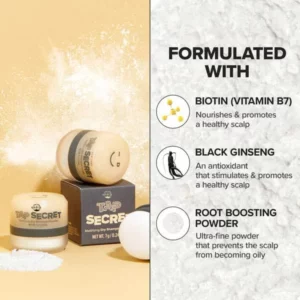
Some products also feature biotin. If you are comparing formulas, our guide to biotin shampoo benefits and limits explains what to consider. A biotin label alone does not establish that a shampoo will regrow hair.
Similarly, “sulfate-free” does not automatically mean a shampoo is gentle for every person. Cleansing strength depends on the complete formula, how you use it, and your own scalp and hair.
Volume Shampoo vs. Thickening Shampoo
The two terms often overlap, and brands do not always use them in the same way. As a general guide, a volumizing product emphasizes lift and body, while a thickening product may emphasize a fuller or more substantial feel to each strand. Some shampoos claim both benefits.
Read the product description to see what the brand promises. If you want lift at the roots, look for a lightweight finish. If you want your lengths to feel fuller, consider a formula that also describes its effect on the hair fiber. Neither term alone tells you whether a product will suit your scalp.
How to Use Volume Shampoo for Better Results
Application and styling can make a difference, especially when fine hair is easily weighed down. Follow the directions on your product, then adjust your routine based on how your scalp and hair feel.
- Wet your hair thoroughly. This helps the shampoo spread through the roots.
- Apply shampoo to the scalp. Massage gently with your fingertips, then let the lather rinse through the lengths.
- Rinse well. Spend enough time removing the product, particularly around the hairline and back of the head.
- Condition the ends. For fine or straight hair, start with a small amount on the mid-lengths and ends rather than the roots.
- Dry and style gently. Lift the roots as you dry them. If you use heat, choose a suitable setting and use a heat protectant.
The American Academy of Dermatology’s hair care guidance recommends concentrating shampoo on the scalp and adjusting washing frequency to your hair type and how oily or dirty it becomes.
There is no single schedule that works for everyone. An oily scalp may need more frequent washing, while dry or curly hair may need less. Use your scalp and hair condition as your guide.
How Long Does the Volume Last?
The fuller appearance is temporary. It may last until your next wash, or your roots may start to look flatter sooner as oil and styling products build up. Humidity, hair length, and styling habits can also affect the result.
If your hair feels flat shortly after washing, check the amount of conditioner or styling product you use near the roots. Make one change at a time so you can tell what helps. You can also use a lightweight styling product for extra texture when needed.
For brands exploring a complementary styling product, our sea salt volume hair spray is designed to add texture and a fuller-looking finish. Like any styling product, the amount needed depends on the desired look and hair type.
Developing a Volume Shampoo for Your Brand
A successful volumizing formula should balance cleansing, hair feel, and the needs of its intended customer. For example, a product for fine, oily hair may need a different finish from one designed for fine hair with dry, color-treated ends.
When reviewing samples, consider how easily the shampoo rinses, how the hair feels after drying, and whether it works well with the intended conditioner. Fragrance, packaging, and the claims you plan to use also deserve attention before production.
Xiangxiang Daily offers OEM and private label hair care services. Explore our shampoo and conditioner range to discuss formula and packaging options for your brand.
Final Thoughts
The best volume shampoo for you is one that leaves your scalp comfortable and your hair feeling clean, manageable, and fuller. Choose according to your scalp and hair type, use conditioner where it is needed, and give the product a fair trial alongside your usual styling routine.