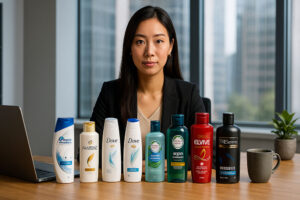

To start a skincare line, you need a clear customer, a focused product idea, and a realistic budget. You also need to decide how to make the product, meet the requirements in your target market, and reach your first buyers.
You do not need to own a factory or launch a complete skincare routine immediately. Many brands begin with one product, work with a manufacturer, and expand after learning what their customers want.
This guide explains how to start a skincare line, from market research and product development to manufacturing and launch.
1. Research the Skincare Market
Market research helps you understand what customers already buy and where existing products fail to meet their expectations.
Review competing products, customer reviews, online communities, and search results. Look for repeated comments about texture, fragrance, packaging, price, and ease of use.
For example, some customers want a moisturizer that feels light under makeup. Others prefer a fragrance-free product or a simple routine. These details can help you identify a useful product opportunity.
Define Your Ideal Customers
Your ideal customers are the people most likely to understand your product and pay for it. Ask:
- What products do they already use?
- What skin concern or routine problem matters to them?
- What price range are they comfortable with?
- Where do they discover and buy skincare?
- What would help them trust a new brand?
These answers guide your product choice, packaging, pricing, and marketing. They also help your manufacturer understand the product experience you want to create.
2. Choose Your Niche and Product
A niche connects a customer group with a clear product idea. It also helps you explain why someone should consider your brand.
For example, you might focus on simple skincare routines, lightweight hydration, fragrance-free preferences, or body care for dry-feeling skin.
Compare products in your chosen niche. Note their prices, pack sizes, benefits, and customer reviews. Then identify a difference that matters to your audience, such as a preferred texture, packaging format, or routine experience.
You can start with one hero product or a small range. Common options include:
- Facial cleanser: Consider cleansing feel, fragrance, and packaging.
- Moisturizer: Consider texture, finish, and container choice.
- Facial serum: Consider the ingredient concept, stability, and dispenser.
- Body lotion: Consider spreadability, absorption, and pack size.
Before finalizing your concept, check how the product and its intended claims are regulated in your target market. Some claims can bring additional requirements.
3. Decide How to Make Your Skincare Products
Your production model affects development costs, timing, product control, and the resources you need.
Make Products Yourself
Some founders produce small batches themselves. This provides direct control, but it also means managing the relevant safety, quality, labeling, and legal requirements.
A pleasant texture or a successful home recipe does not establish that a product is safe or ready for sale. Consider preservation, production hygiene, shelf life, and appropriate testing before selling.
Use Private Label Skincare
Private label allows you to sell an existing or agreed product under your own brand. Depending on the supplier, you may be able to choose packaging and request certain changes.
An existing formula can reduce development work, but it does not always mean finished stock is available immediately. Packaging, artwork, testing, and production may still be needed.
Our guide to ready-to-label skin care products explains the difference between ready formulas and finished inventory.
Develop a Custom Formula
Custom formulation starts with a brief for the product you want to create. You can discuss the desired ingredients, texture, fragrance, and finish with a manufacturer or formulator.
This approach can involve development fees, sample revisions, additional testing, and a longer timeline. Agree on formula ownership and exclusivity in writing before development begins.
4. Calculate Your Startup Costs
The cost of starting a skincare line depends on the product, order quantity, packaging, market, and sales plan. The factory price is only one part of your budget.
Include:
- Samples and formula development.
- Appropriate testing and documentation.
- Containers, labels, cartons, and artwork.
- Production and the first inventory order.
- Business setup and insurance where appropriate.
- Freight, import charges, storage, and fulfillment.
- Website, photography, content, and advertising.
- Reserve funds for unexpected costs and reorders.
Ask suppliers to separate one-time fees from per-unit costs. For a closer look at these expenses, read our guide to skincare business startup costs.
Understand Minimum Order Quantities
A minimum order quantity, or MOQ, is the smallest order a supplier accepts under specific terms. It may apply to each formula, fragrance, pack size, or printed design.
For example, a supplier requiring 500 units for each of three products would require a total order of 1,500 units. This is an illustration, not a supplier quote.
Xiangxiang Daily lists a typical MOQ of 5,000 pieces per SKU. The actual minimum depends on the project, so confirm your formula, packaging, artwork, and order terms before setting a budget.
Also ask about packaging minimums. A bottle supplier may require a different quantity from the factory that fills the product.
5. Find a Skincare Manufacturer
Choose a manufacturing partner that fits your product, target market, order size, and budget. Ask whether the company manufactures the product itself or works with another factory, and clarify who manages production and quality records.
Send each shortlisted supplier the same product brief. Include:
- Product type and intended customer.
- Target market and planned sales channel.
- Desired benefits, texture, fragrance, and pack size.
- Ingredient preferences or restrictions.
- Estimated quantity, target price, and launch date.
Then compare sample fees, formula options, testing support, lead times, payment terms, and reorder conditions. Request an itemized quote so you can see what is included.
Our article on how to choose private label manufacturers for skin care provides a detailed supplier checklist.
What Does a Factory Need Before Providing a Quote?
A factory needs more than a product category to prepare an accurate quote. For example, a serum in a standard dropper bottle may have different costs from one in a custom airless package.
If you are still exploring, ask for an estimate based on clear assumptions. Once you choose the sample and packaging, request an updated quote separating development, testing, production, and delivery costs.
6. Evaluate Samples and Approve Your Product
Samples help you decide whether the product matches your brief. Review each version using the same criteria:
- Appearance and consistency.
- Texture, absorption, and finish.
- Fragrance and overall user experience.
- How well the container dispenses the product.
- How the product fits into the intended routine.
Give specific feedback. “Less sticky after application” is more useful than “make it better.” Keep a record of each version and approve the final sample and specification before production.
Sample evaluation helps assess the user experience. It does not replace appropriate safety, stability, microbiological, or packaging compatibility work.
7. Check Safety, Labels, and Legal Requirements
Skincare requirements depend on where you sell, what the product contains, and what you claim it does. Identify your first market early and confirm the applicable requirements with qualified professionals.
In the United States, businesses are responsible for cosmetic safety and labeling. Some products may also be regulated as drugs because of their intended use or claims. MoCRA requirements can include safety substantiation and, where applicable, facility registration and product listing. Certain exemptions may apply.
Review the FDA guidance for small cosmetics businesses and check the obligations for your product.
In the European Union, the responsible person must meet applicable requirements, including product safety assessment and notification. The European Commission provides information about the Cosmetic Products Notification Portal.
Agree in writing on who supplies documents, reviews labels, completes applicable submissions, and handles complaints. Make sure you can support the claims used on your packaging, website, and advertising.
8. Build Your Brand Identity and Packaging
Your brand identity includes your name, visual style, tone of voice, packaging, and the experience you promise. It should help customers understand who your products are for and why they may suit their needs.
Before choosing a name, check its availability for your target market, website, and relevant social channels. Consider professional trademark advice where appropriate.
For packaging, request the supplier’s artwork template. Confirm the dimensions, print specifications, batch-code space, and room for the information required in your market.
Choose a container that works with the formula and protects it during storage and transport. Review the final label, including ingredients, directions, and warnings, before ordering printed packaging.
9. Set Your Price and Calculate Your Margin
Your retail price should reflect your positioning, customer expectations, and actual costs. Calculate what remains after the variable expenses associated with each order.
The following example uses hypothetical figures:
| Item | Amount per order |
|---|---|
| Selling price | $20 |
| Product landed cost | −$5 |
| Payment and selling fees | −$2 |
| Fulfillment and shipping | −$3 |
| Contribution before marketing and fixed costs | $10 |
This example excludes discounts, returns, taxes, customer acquisition costs, and other expenses. Replace the figures with your own before making a pricing decision.
If fixed launch costs are $3,000 and each order contributes $10 before marketing, you would need 300 orders to cover those fixed costs before considering the excluded expenses. Calculate wholesale prices separately because retailers need their own margins.
10. Plan Production and Delivery
After approving the sample, label, price, and terms, agree on a production schedule. Ask when the quoted lead time begins. It may start only after the deposit, artwork, packaging, and final sample are approved.
Your schedule should cover procurement, production, quality checks, packing, dispatch, freight, and delivery. Ask how the manufacturer identifies batches and handles defects or changes.
Keep the approved sample and specification as references for future orders. Our skincare production process guide explains the main stages from formula to finished product.
Plan Your Reorder
Your reorder point depends on expected sales during the full replenishment period, plus a buffer for delays.
For example, if you expect to sell 100 units per week and replenishment takes eight weeks, you would need 800 units to cover expected sales during that period before adding a safety buffer. Update the estimate as you collect actual sales data.
11. Choose Your Sales Channels
Your sales channels affect pricing, marketing, fulfillment, and customer service. Start with the channels you can manage well.
- Your own online store: Gives you control over product information and the customer experience, but you must attract visitors and manage orders.
- Online marketplaces: Offer a familiar shopping experience, but fees, competition, and cosmetics listing requirements vary.
- Salons, spas, and retailers: Can introduce products to an established audience. Prepare samples, product information, and a wholesale price list.
You do not need to launch everywhere at once. Choose a channel that fits your customers and the resources available to your business.
12. Market and Launch Your Skincare Line
Before launch, decide how customers will discover your brand and why they should trust it. Prepare clear product pages, useful photos, and answers to common questions.
Your marketing plan may include an email list, educational content, relevant creators, and a small advertising test. Use social media to demonstrate the product experience, answer questions, and learn what interests your audience.
Measure product-page visits, email signups, and purchases alongside views. If you work with creators, agree on deliverables, payment, usage rights, and appropriate disclosures. Share accurate product information and avoid unsupported claims.
A soft launch can help you test your website, payment process, delivery, and customer service before increasing your marketing spend.
Collect Feedback After Launch
Monitor reviews, returns, product questions, repeat purchases, and remaining inventory. Use the feedback to improve your product pages and future decisions.
Set up a process to record complaints and potential adverse events. Retain batch information and know whom to contact at the manufacturer if an issue needs investigation.
Common Mistakes to Avoid
- Launching too many products: Each additional product may bring another MOQ, label, test, and inventory decision.
- Choosing a supplier on price alone: Compare specifications, records, delivery terms, and the full quote.
- Spending the entire budget on stock: Reserve money for marketing, fulfillment, unexpected costs, and reorders.
- Assuming the manufacturer handles everything: Agree on documentation, label review, submissions, and complaint handling.
- Making unsupported claims: Check the evidence and applicable rules before publishing product descriptions.
Frequently Asked Questions
How Much Does It Cost to Start a Skincare Line?
Costs depend on the product, manufacturing model, order quantity, packaging, testing, target market, and marketing plan. Request itemized quotes and include business, delivery, and sales costs in your budget.
Can I Start a Skincare Line From Home?
You may be able to manage research, branding, sales, and customer service from home. Some founders also make products themselves, subject to applicable requirements. If you work with a manufacturer, clarify where production takes place and how responsibilities are divided.
Do I Need to Be a Chemist to Start a Skincare Brand?
You do not necessarily need to be a chemist. Your product still needs appropriate formulation expertise, safety assessment, and quality controls. These services may come from a manufacturer, an independent formulator, or other qualified specialists.
How Long Does It Take to Launch a Skincare Line?
The timeline depends on development, sample revisions, testing, packaging, production, freight, and market requirements. Ask partners for a schedule that identifies each stage and its dependencies.
Can I Start With One Skincare Product?
Yes. One focused product can help you manage your budget and learn from customers. Confirm that the supplier’s MOQ and your total launch costs fit your plan.
Should I Choose Private Label or Custom Formulation?
Consider your budget, timeline, and desired level of formula control. Private label may reduce development work when an existing formula fits your needs. Custom formulation offers more input but may require more time and expense.
Start Your Skincare Line With a Clear Product Brief
A skincare launch begins with clear decisions: who the product serves, what experience it provides, how it will be made, and how customers will find it.
At Xiangxiang Daily, we work with brands on private label and OEM/ODM personal care projects. Explore our private label skincare manufacturing options, then prepare a brief covering your target market, product type, packaging, expected quantity, and launch goals.
Our team can use that information to discuss formula options, samples, packaging, and the next steps for your project.