
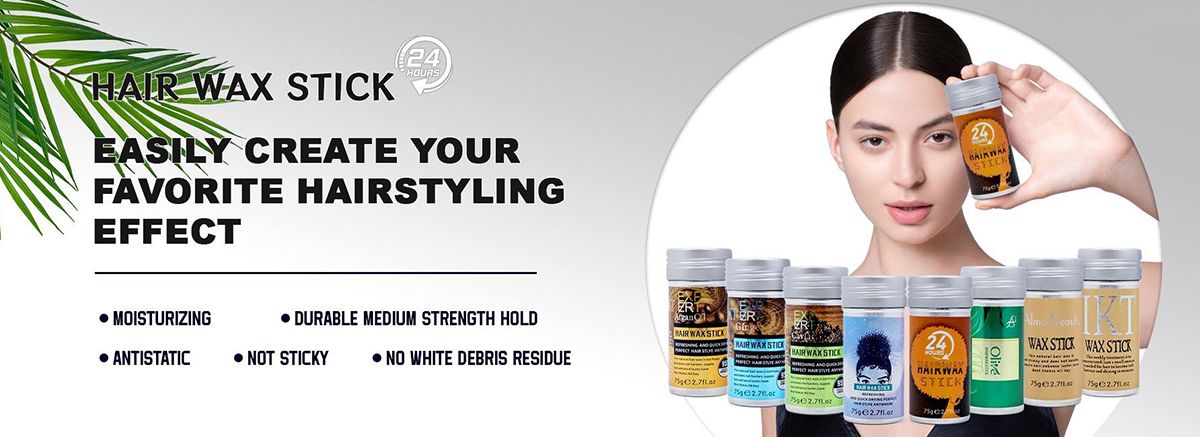
Hair wax manufacturers help brands create styling products for barbershops, salons, retailers, and online stores. Some offer existing formulas with custom labels. Others develop new products based on a brand’s desired hold, finish, scent, and packaging.
The right partner depends on more than price. You also need to compare samples, minimum order quantities, testing, production terms, and delivery costs.
This guide focuses on hair styling wax used to shape and hold hair. It does not cover wax used for hair removal. Below are five suppliers to consider, followed by a practical guide to choosing a manufacturing partner.
Xiangxiang Daily publishes this guide and appears first. The list is a sourcing shortlist, not an independent quality ranking. Company descriptions are based on supplier websites. Confirm current services, production locations, and order terms directly with each company.
5 Hair Wax Manufacturers to Consider
1. Xiangxiang Daily
Xiangxiang Daily is a Guangzhou-based private label hair styling manufacturer. Its range includes hair wax, wax sticks, edge control, and other styling products for brands and distributors.
Brands can discuss formula selection, hold, fragrance, packaging, and labeling. The range includes a hair wax stick for direct application and hair wax edge control for styling shorter hairs around the hairline.
What to ask: Share your target customer, preferred format, order quantity, and sales market. Confirm available formulas, sample fees, packaging options, and delivery terms.
2. Sandio Cosmetics
Sandio Cosmetics describes OEM and ODM services for hair wax, pomade, and other styling products. The company is based in Guangzhou, China.
Its website presents product directions such as firm-hold wax, natural-hold pomade, and matte paste. Brands can discuss the desired hold, shine, texture, and washout when requesting a sample.
What to ask: Confirm the minimum order for your selected formula and packaging. Ask which development, testing, and destination-market services are included in the quote.
3. Boming Cosmetic
Boming Cosmetic offers OEM and ODM hair wax sticks. Its listed options include products for flyaways and edge styling, as well as matte and color-depositing formats.
This supplier may be relevant if your brand wants a stick rather than a jar. Ask to review both the formula and applicator, since the product needs to move through the packaging and apply comfortably.
What to ask: Check the current MOQ for an existing formula and for a custom project. Confirm the production site, sample options, and available container sizes.
4. KINODIN
KINODIN presents private label hair wax and pomade services for beauty brands, salons, and distributors. Its website describes existing base formulas, formula adjustments, custom development, and packaging support.
Buyers can discuss product features such as hold, shine, texture, fragrance, and ease of washing. The company also lists jars, tins, and sticks as possible packaging directions.
What to ask: Request samples close to your desired product. Confirm which packaging is available for your order size and which tests and documents are included.
5. Naturalcare
Naturalcare is a cosmetic contract manufacturer in Metepec, Mexico. It lists ready-to-manufacture styling formulas for private label projects, including a wax gel, pomades, and matte hair clay.
An existing formula may be useful for a brand that wants to begin with a sample. A wax gel, however, may feel different from a firm wax in a jar. Compare the actual product with your desired styling result.
What to ask: Confirm the current minimum order for the formula and container you choose. Ask whether the formula can be adjusted and which packaging services are included.
What Types of Hair Wax Can Manufacturers Produce?
Hair styling products come in different formats. The names do not always describe a fixed formula, so tell each supplier how you want the product to look and feel.
Hair wax in a jar or tin
A jar or tin allows users to take a small amount with their fingers. Depending on the formula, the product may offer a soft, flexible hold or a firmer finish. Ask to test how easily it is removed from the container and spread through the hair.
Hair wax stick
A stick allows direct application without taking product from a jar. It is often used for flyaways and targeted styling. The formula needs suitable firmness, and the container mechanism should work smoothly during use.
Matte wax or hair clay
A matte styling product is intended to leave less visible shine. Some brands choose this direction for textured styles. When comparing samples, check for visible residue and how the product feels on the intended hair type.
Pomade and wax gel
Pomades and wax gels can offer different textures and finishes. Some are designed for a smooth or shiny look, while others provide a more natural finish. The formula, not the product name alone, determines how it performs.
How to Choose a Hair Wax Manufacturer
Start with a clear product idea. Send the same brief to several suppliers, then compare their samples, quotes, and answers.
1. Define the hold and finish
Describe the result you want. A barbershop product may need firm hold for a short style. Another product may need a softer feel that lets the user restyle the hair during the day.
Also specify the desired finish: matte, natural-looking, or shiny. Suppliers may use these terms differently, so a sample is more useful than a description alone.
When reviewing a sample, check:
- How easily it spreads between the hands or applies from a stick.
- Whether it pulls on the hair or feels too sticky.
- The hold and finish on the intended hair type.
- Whether it leaves visible residue.
- How easily it washes out with the expected routine.
Performance can vary with hair type, the amount used, and the application method. Test the product with your intended customers where possible.
2. Compare existing and custom formulas
An existing formula may suit a brand that wants to review a ready sample first. Ask what can be changed. The supplier may offer a choice of fragrance, color, or packaging while keeping the base formula the same.
A custom formula offers more room to develop a specific texture or styling result. It may also require more time, samples, and testing. Agree on development fees, the number of revisions, and formula ownership before work begins.
Do not assume a formula is exclusive to your brand. Ask whether the manufacturer can offer the same or a similar formula to other buyers.
3. Check packaging and minimum orders
The container affects application, filling, shipping, and shelf presentation. Common choices include plastic jars, metal tins, tubes, and twist-up sticks.
Ask for the minimum order quantity, or MOQ, for each part of the project:
- The formula and production batch.
- The jar, tin, tube, or stick container.
- Printed labels and outer cartons.
- Custom colors, molds, or special finishes.
One supplier may accept a small product order but require a larger quantity for custom packaging. Request the separate minimums in writing.
4. Review testing and quality control
Ask how the manufacturer checks incoming materials, production batches, and the finished product. The appropriate tests depend on the formula, packaging, intended use, and sales market.
Discuss stability, microbial quality where relevant, and packaging compatibility. A sample that looks good on the first day still needs suitable assessment before it is sold.
The FDA’s cosmetics GMP checklist describes areas such as equipment, materials, production controls, laboratory checks, and records. Ask your supplier which controls and documents apply to your order.
If a company claims certification, request a current copy. Check the company name, facility address, scope, and expiry date. A factory certificate does not automatically prove every claim about a finished product.
5. Compare the full cost
The price per jar is only one part of the project. A complete quote may also include samples, formula development, testing, labels, cartons, freight, and import costs.
Ask what happens if you need a formula revision or packaging change. For overseas orders, agree on delivery terms and who handles customs, taxes, and insurance.
How Does Private Label Hair Wax Production Work?
The process varies by supplier, but most projects follow these stages:
- Share a brief: Explain the product format, target customer, hold, finish, quantity, and sales market.
- Choose a formula route: Review an existing formula or discuss custom development.
- Test samples: Compare application, texture, styling result, scent, and washout.
- Approve packaging: Confirm the container, fill size, label, and artwork.
- Agree on testing and terms: Confirm costs, documents, specifications, and the production schedule.
- Produce and inspect: The manufacturer makes and fills the approved batch, then carries out the agreed checks.
Before bulk production, approve the final formula and packaging in writing. Record any agreed changes so both parties are working from the same specifications.
What Should You Include in a Quote Request?
A detailed request helps suppliers suggest relevant samples and provide clearer prices. Include:
- Format: Jar wax, wax gel, clay, pomade, or stick.
- Target user: Barbershop clients, salon users, or everyday consumers.
- Performance: Desired hold, shine, scent, texture, and washout.
- Formula: An existing base or a new custom formula.
- Packaging: Container type, fill size, label, and carton.
- Quantity: Planned units per product and expected repeat orders.
- Market: Countries and sales channels where the product will be sold.
- Timing: Sample deadline, launch date, and delivery destination.
If you have a reference product, explain what you like about it and what you want to change. A physical sample can help the manufacturer understand your brief.
Where Can You Find Hair Wax Suppliers?
Manufacturer websites, trade directories, exhibitions, and industry publications can help you build a shortlist. Search for the exact format you need, such as “private label hair wax stick” or “hair pomade manufacturer.”
Check whether a result makes styling wax or hair removal wax. The two products serve different purposes and require different suppliers.
If you are exploring suppliers in China, our guide to hair wax manufacturers in Guangzhou offers more companies to research.
Frequently Asked Questions
Can I put my own logo on hair wax?
Many manufacturers offer private label packaging. Available options depend on the container, printing method, and order quantity. Ask to approve the artwork and a packaging sample before production.
What is the minimum order for private label hair wax?
There is no single minimum. It varies by supplier, formula, container, and level of customization. Ask for separate minimums for the product and its packaging.
Is water-based hair wax always easier to wash out?
Not necessarily. Washout depends on the full formula and how the product is used. Test samples with the cleansing routine your customers are likely to follow.
How long does custom hair wax production take?
The timeline depends on sample approval, formula changes, testing, packaging, and the factory schedule. Overseas orders also need time for shipping and customs. Request a project-specific schedule.
Can one manufacturer make wax and other styling products?
Some suppliers offer several formats, such as gels, pomades, clays, and sprays. Confirm which products are made at the same facility and whether different minimums or tests apply.
Conclusion
Choosing a hair wax manufacturer starts with a clear brief and a useful sample. Compare the formula, packaging, quality checks, minimum orders, and total delivery cost. The best partner is the one that can make your intended product and explain the terms clearly before production begins.