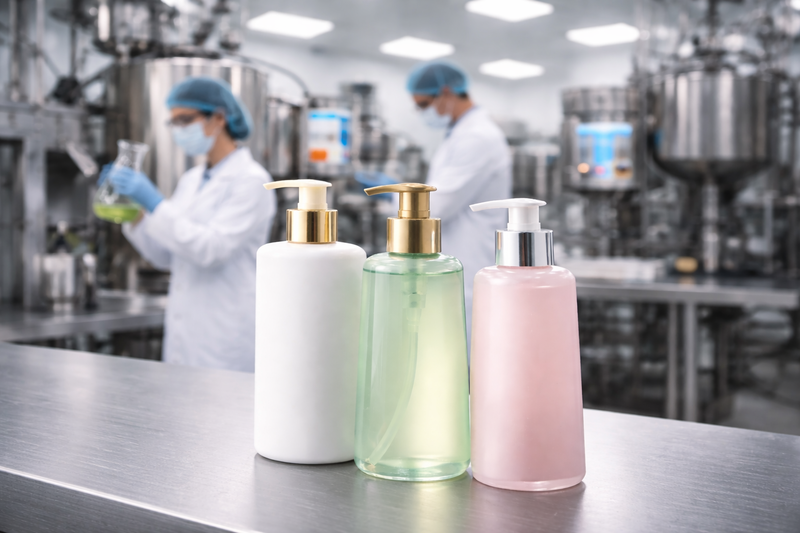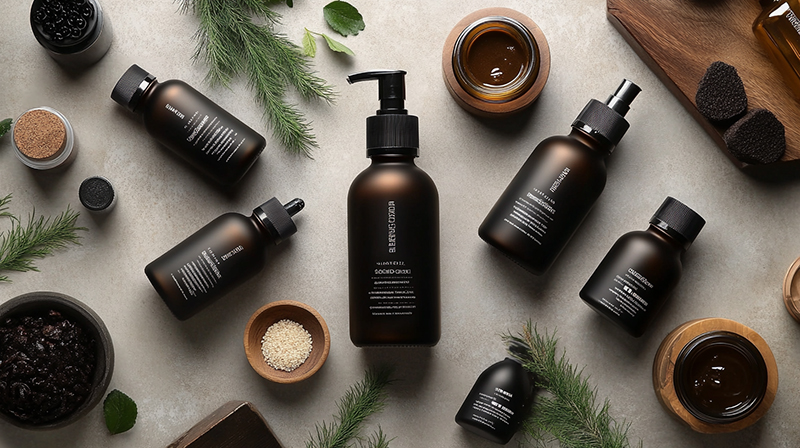
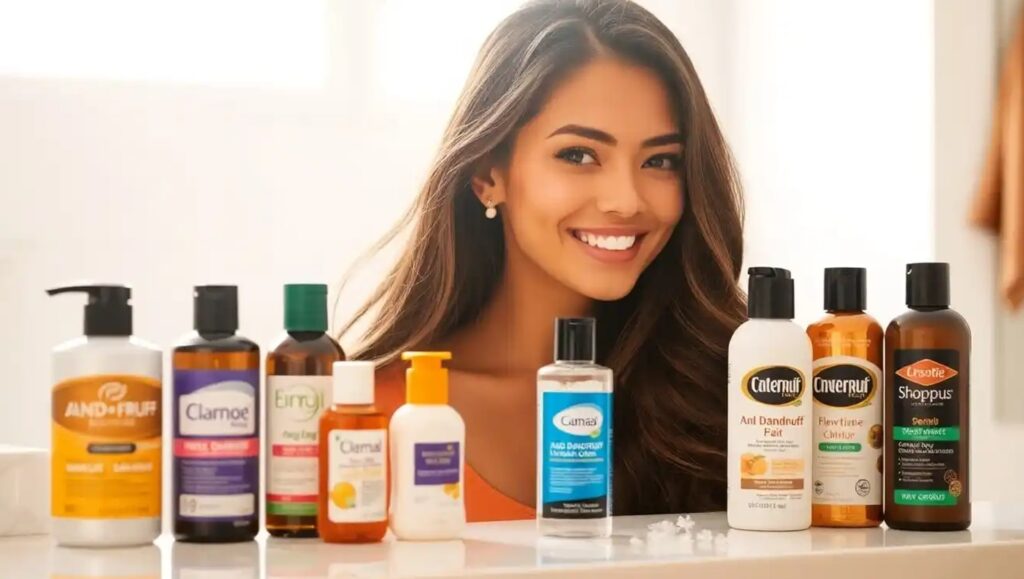
Thailand is a strong market for shampoo and hair care products.
The weather is hot and humid for much of the year.
Many consumers wash their hair often because the scalp can feel oily, itchy, or heavy.
This creates demand for shampoo products that feel fresh, light, and effective.
For private label buyers, Thailand is not only a general shampoo market.
It is a market where scalp care, anti-hair fall, anti-dandruff, oily scalp control, cooling feel, and lightweight formulas can all become strong product directions.
This guide explains how to develop Private Label Shampoo Thailand products for retailers, distributors, e-commerce sellers, and hair care brands.
It also explains how to choose formulas, packaging, claims, and quality checks for a high quality hair care line.
For buyers who want broader hair care solutions, shampoo can be the first product in a complete routine that later includes conditioner, scalp treatment, hair mask, and hair oil.
As a personal care manufacturer, Xiangxiang Daily focuses on shampoo, conditioner, hair care, body care, and skin care products for private label and OEM/ODM buyers.
What Are Private Label Shampoo Products for Thailand?
Private label shampoo products are made by a manufacturer and sold under your own brand name.
The manufacturer can provide an existing formula, a custom formulation, packaging support, filling, labeling, and quality checks.
Your brand controls the product name, design, positioning, market story, and sales channel.
For Thailand, shampoo products should not be planned only as basic cleansing products.
They should match local hair type, scalp health concerns, climate, and shopping behavior.
Common product directions include:
- Anti-hair fall shampoo.
- Anti-dandruff shampoo.
- Oily scalp shampoo.
- Cooling shampoo.
- Clarifying shampoo.
- Scalp care shampoo.
- Sulfate-free shampoo.
- Herbal shampoo.
- Shampoo and conditioner set.
- Grey coverage shampoo.
The best product is not always the most complex one.
A clear formula with a clear use case can perform better than a product with too many claims.
For private label shampoo development, buyers can start from our private label shampoo manufacturer category.
Why Thailand Needs Market-Specific Shampoo Products
Thailand’s climate affects hair care habits.
Heat, humidity, sweat, styling products, and frequent washing can make the scalp feel oily or uncomfortable.
Some users want a very fresh shampoo.
Others want a gentler formula that does not leave the scalp dry.
This creates several product opportunities.
| Market Need | Product Direction | Why It Matters |
|---|---|---|
| Hot and humid weather | Lightweight cleansing shampoo | Helps hair feel fresh without a heavy finish |
| Oily scalp | Scalp balancing shampoo | Targets users who wash often or feel greasy quickly |
| Dandruff and flakes | Anti-dandruff shampoo | Fits a common scalp health concern |
| Hair fall concern | Anti-hair fall shampoo | Supports stronger-looking hair and reduced breakage claims |
| Different hair types | Customized shampoo and conditioner set | Helps brands serve oily scalp, dry ends, colored hair, or frizzy hair |
For B2B buyers, the key is to avoid copying one generic shampoo formula for every market.
A Thailand-focused formula should consider scalp feel, fragrance, foam, rinse-off speed, texture, and packaging.
It should also fit the target channel.
A TikTok Shop product may need a strong visual hook.
A modern trade product may need clear claims and strong shelf appeal.
A distributor may care more about stable supply, repeat purchase, and price structure.
Best Shampoo Product Ideas for Thailand
A Thailand shampoo line can start small.
Three to five products are enough for many brands.
The goal is to create a clear hair care line.
Each product should solve a different problem.
1. Oily Scalp Shampoo
Oily scalp shampoo is a strong direction for Thailand.
It should cleanse well without making the scalp feel tight.
Good positioning includes fresh scalp, lightweight hair, and daily-use cleansing.
Possible ingredients include tea tree, mint, rosemary, green tea, zinc PCA, niacinamide, or mild surfactant blends.
2. Anti-Hair Fall Shampoo
Anti-hair fall shampoo is useful for users worried about shedding and weak hair.
Claims should stay realistic.
A shampoo can help reduce breakage caused by dryness or rough combing.
It should not promise to cure medical hair loss.
Good claim directions include stronger-feeling hair, reduced breakage, scalp care support, and fuller-looking hair.
3. Anti-Dandruff Shampoo
Anti-dandruff products can work well in humid markets.
The formula should balance scalp comfort and cleansing power.
Some products focus on visible flakes.
Others focus on oily scalp, itchiness, and fresh scalp feel.
For stronger active claims, buyers should check local regulatory requirements before confirming the formula and label wording.
4. Cooling Shampoo
Cooling shampoo can be attractive in hot weather.
Menthol or mint-style formulas can create a refreshing wash experience.
The formula should not feel harsh.
Too much cooling effect may irritate sensitive scalps.
5. Natural Hair Care Shampoo
Natural hair care products can work well when the ingredient story is clear.
Popular directions include herbal extracts, mild cleansing, fresh botanical scents, and gentle scalp care positioning.
Buyers should still check formula performance.
A natural story is useful only when the shampoo also has good foam, rinse feel, and hair softness.
6. Shampoo and Conditioner Set
A shampoo and conditioner set is easier to sell as a routine.
The shampoo can focus on scalp cleansing.
The conditioner can focus on smoothness, softness, and frizz control.
This is useful for e-commerce bundles, salons, distributors, and retail shelf sets.
For related hair repair routines, buyers can also review our hair mask manufacturer category.
Formula Directions for Hot and Humid Weather
Formula texture is very important for Thailand.
Heavy formulas may leave hair flat or greasy.
Very strong cleansing formulas may make the scalp feel dry or itchy.
The best direction is often a balanced formula.
It should clean well, rinse easily, and leave the scalp fresh.
It should also leave hair soft enough for daily styling.
| Formula Goal | Useful Direction | Buyer Note |
|---|---|---|
| Fresh scalp feel | Mint, tea tree, rosemary, green tea, light fragrance | Keep cooling effect comfortable |
| Oily scalp support | Mild surfactants, zinc PCA, niacinamide, scalp balancing claims | Avoid over-drying the scalp |
| Anti-hair fall story | Biotin, caffeine, amino acids, peptides, botanical extracts | Use cosmetic claim wording carefully |
| Frizz control | Conditioning agents, silicones or silicone alternatives, light oils | Do not make hair feel heavy |
| Sulfate-free positioning | Mild cleansing systems | Check foam and rinse feel during sampling |
A custom formulation should be tested on the target hair type before bulk production.
For Thailand, buyers may need to test oily scalp, dry ends, frizzy hair, colored hair, and daily-wash routines.
Fragrance also matters.
Fresh, clean, herbal, citrus, mint, floral, and spa-like scents can all work.
But fragrance should not be too heavy for daily use.
Buyers should test the scent after washing and after drying.
Some fragrances smell good in the bottle but feel too strong during use.
For scalp-focused products, buyers can review our scalp treatment manufacturer category.
Packaging and Channel Planning
Packaging should match the sales channel.
A shampoo for online sales may need strong visual design.
A shampoo for retail shelves needs clear product positioning.
A shampoo for distributors needs stable packaging and easy carton handling.
Common packaging options include:
- 250 ml bottle.
- 300 ml bottle.
- 400 ml family-size bottle.
- 500 ml pump bottle.
- Travel-size bottle.
- Shampoo and conditioner set.
- Salon-size bottle.
- Refill pouch.
For Thailand, pump bottles can work well for family and bathroom use.
Smaller bottles can work well for e-commerce testing.
Shampoo and conditioner sets can improve basket size.
Refill pouches may fit brands that want a lower-plastic or value-size story.
Before confirming packaging, buyers should check:
- Bottle strength.
- Pump function.
- Leakage risk.
- Label adhesion.
- Carton strength.
- Heat resistance during storage.
- Product viscosity and bottle compatibility.
For factory-side checks, buyers can review our personal care quality control page.
Existing Formula vs Custom Shampoo Formula
Private label buyers usually choose between an existing formula and a custom formula.
Both options can work.
The right choice depends on your launch plan.
| Option | Best For | Main Advantage | Main Limit |
|---|---|---|---|
| Existing formula | Fast launch and market testing | Shorter sampling time | Less formula uniqueness |
| Custom formulation | Brand differentiation | More control over texture, scent, and claims | Longer development process |
| Full OEM/ODM project | Long-term product line building | Formula, packaging, label, and production support | Needs clearer project requirements |
An existing formula is useful when you need speed.
It is also useful if you want to test a Thailand shampoo concept before deeper investment.
A custom formulation is better when you need a stronger product difference.
For example, you may want a special cooling feel, a sulfate-free claim, a herbal story, a premium scent, or a scalp-first formula.
Custom development should include several sample rounds.
Buyers should test foam, rinse feel, scent, scalp comfort, hair softness, and packaging compatibility.
For broader hair care planning, buyers can review our private label hair care manufacturer category.
Quality, Claims, and Thai Label Basics
Shampoo is considered a cosmetic product in Thailand.
Brands and importers should check Thai cosmetic requirements before selling.
Thai FDA provides cosmetics information for entrepreneurs, including cosmetic notification topics and application procedures.
You can review the official Thai FDA cosmetics page here: Thai FDA cosmetics information.
Thai FDA also states that cosmetic labels must be in Thai language and clearly readable.
You can review the official page here: Thai FDA cosmetic application and label information.
Before bulk production, buyers should check:
- Formula stability.
- Color stability.
- Odor stability.
- Viscosity.
- Foam performance.
- Rinse feel.
- Scalp comfort.
- Hair softness after drying.
- Packaging compatibility.
- Leakage risk.
- Label information.
- Batch consistency.
Claim wording also needs care.
Safer claim directions include:
- Helps cleanse oily scalp.
- Leaves hair feeling fresh.
- Helps support scalp health.
- Helps reduce the look of flakes.
- Helps hair feel stronger.
- Helps reduce breakage caused by dryness.
- Supports scalp comfort.
- Leaves hair soft and easy to manage.
Avoid unsupported medical claims.
Do not promise to cure hair loss, treat scalp disease, or permanently stop shedding.
For B2B shampoo projects, safe claims and clear labels can reduce market risk.
Manufacturer Checklist for Thailand Buyers
The manufacturer should understand both product development and export work.
A low price is not enough.
The shampoo must be stable, usable, and suitable for the market.
Before choosing a supplier, check:
- Shampoo and conditioner experience.
- Scalp care formula experience.
- Anti-dandruff and oily scalp product options.
- Existing formula library.
- Custom formulation ability.
- Natural hair care product experience.
- Private label hair care products experience.
- Fragrance adjustment support.
- Packaging sourcing support.
- Custom label support.
- MOQ and lead time.
- Sample development process.
- Quality control process.
- Export documentation support.
A good supplier should ask about your market.
They should ask about your target price, channel, product texture, fragrance, packaging, and claim direction.
They should also ask about the target hair type and scalp concern.
If a supplier only asks for quantity, the product planning may not be strong enough.
For Thailand, buyers should request samples that match hot and humid weather use.
The product should not feel too heavy after rinsing.
The fragrance should remain pleasant during use.
The packaging should handle storage, shipping, and retail display.
Final Product Line Idea
A simple Thailand shampoo line can start with three products.
- Oily scalp shampoo.
- Anti-hair fall shampoo.
- Shampoo and conditioner set for daily care.
A stronger line can add two more products.
- Anti-dandruff shampoo.
- Cooling scalp shampoo.
This creates a clear product story.
It covers daily cleansing, scalp care, hair fall concern, dandruff concern, and humid weather use.
It also gives brands flexible hair care solutions for different customer needs and sales channels.
Xiangxiang Daily can support shampoo, conditioner, scalp treatment, hair mask, hair oil, packaging, samples, production, and quality checks for Thailand-focused private label hair care projects.
FAQ
What shampoo products are suitable for Thailand?
Oily scalp shampoo, anti-hair fall shampoo, anti-dandruff shampoo, cooling shampoo, scalp care shampoo, and shampoo and conditioner sets are strong product directions.
Why is oily scalp shampoo useful in Thailand?
Thailand’s hot and humid weather can make the scalp feel oily or heavy.
A lightweight shampoo with a fresh rinse feel can match daily-use needs.
Can I launch natural hair care shampoo in Thailand?
Yes.
Natural hair care shampoo can work if the ingredient story is clear and the formula still performs well.
Buyers should test foam, rinse feel, scalp comfort, and fragrance before bulk production.
Can I launch sulfate-free shampoo in Thailand?
Yes, sulfate-free shampoo can be a good option for brands focused on mild cleansing, color care, or premium hair care.
The formula still needs good foam, rinse feel, and scalp comfort.
Is anti-hair fall shampoo a good direction?
Yes, but the claim wording should be careful.
A shampoo can support stronger-feeling hair and help reduce breakage caused by dryness.
It should not claim to cure medical hair loss.
Should shampoo labels be in Thai?
Thai FDA states that cosmetic labels must be in Thai language and clearly readable.
Buyers should confirm local requirements before selling.
What is better, an existing formula or custom formulation?
An existing formula is better for fast launch and market testing.
A custom formulation is better when the brand needs a unique scent, texture, claim direction, or scalp care story.
What packaging size is suitable?
Common options include 250 ml, 300 ml, 400 ml, 500 ml, travel-size bottles, pump bottles, refill pouches, and shampoo and conditioner sets.
What hair care solutions can Xiangxiang Daily support?
Xiangxiang Daily can support shampoo, conditioner, scalp treatment, hair mask, hair oil, packaging, samples, production, filling, quality checks, and export preparation.
Can Xiangxiang Daily develop private label shampoo for Thailand?
Yes.
Xiangxiang Daily can support private label shampoo, conditioner, scalp treatment, hair mask, hair oil, packaging, samples, production, filling, quality checks, and export preparation for Thailand-focused hair care brands.