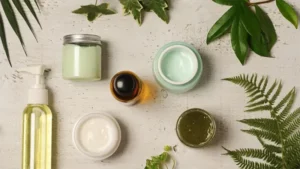

What is peptide serum? It is a facial serum formulated with peptides: short chains of amino acids. Depending on the formula, a peptide serum may help improve the appearance of fine lines, skin texture, and hydration.
Peptides are used in many skin care products, including serums, moisturizers, and eye creams. Different peptides and formulas can have different effects, so results vary from one product to another.
What Are Peptides in Skin Care?
Peptides are short chains of amino acids. Amino acids are also components of proteins, including collagen, elastin, and keratin.
In skin care, topical peptides are added to a formula for a particular purpose. Some are designed to support the look of firmer or smoother skin, while others are included alongside moisturizing ingredients.
A peptide serum does not contain the same thing as collagen itself. Applying a peptide also does not guarantee that it will increase collagen production in every person’s skin.
What Does Peptide Serum Do?
Depending on its ingredients and formulation, a peptide serum may help:
- Improve the appearance of fine lines.
- Make skin look smoother or firmer.
- Support a hydrated, comfortable skin feel.
- Complement a routine focused on the skin barrier.
These benefits depend on the specific product. A serum with hyaluronic acid, glycerin, or other moisturizers may improve hydration through those ingredients as well as through its overall formula.
How Do Peptides Work?
Peptides are often described as messengers because some can interact with skin cells in laboratory settings. For example, certain signal peptides are studied for their potential role in processes associated with collagen and other skin proteins.
However, the way a peptide behaves in a laboratory does not automatically tell us how a finished serum will work on skin. The peptide’s structure, concentration, formulation, and ability to reach its intended location all matter.
Some studies of topical peptide formulas have reported improvements in signs of skin aging, but findings for one ingredient or product should not be applied to every peptide serum.
Common Types of Peptides in Skin Care
Signal Peptides
Signal peptides are studied for their interactions with processes involved in skin structure. They are often included in products marketed for firmness and the appearance of fine lines.
One example is palmitoyl pentapeptide-4. Its presence on an ingredient list does not, by itself, establish the result a finished serum will deliver.
Copper Peptides
Copper peptides are peptides associated with copper. You may see copper tripeptide-1 listed in serums designed for visible signs of aging or skin care support.
Follow the product’s directions when combining a copper peptide serum with other active ingredients. Different brands may provide different layering advice based on their formulas.
Other Peptide Complexes
Some products contain a blend of several peptides. Others combine peptides with ingredients such as niacinamide, ceramides, or hyaluronic acid.
A longer ingredient list is not necessarily better. The quality of the complete formula and the evidence supporting its claims are more useful than the number of peptides alone.
What Does the Research Say?
Researchers have studied some peptide-containing products for fine lines, skin texture, hydration, and other visible concerns. Results vary because studies use different peptides, concentrations, formulas, and methods.
For example, one small randomized trial compared creams containing specific peptides with a placebo for the appearance of lines around the eyes. This study does not establish that every peptide serum will have the same effect.
When evaluating claims, look for information about the finished product, the number of participants, the study length, and whether a comparison product was used.
Who Can Use a Peptide Serum?
Peptide serums are available for different skin types. The best choice depends on the whole formula, not just the word “peptide” on the front of the bottle.
For Dry Skin
Look for a serum that fits comfortably under moisturizer. Ingredients such as hyaluronic acid and glycerin can help attract water to the skin, while a moisturizer helps reduce moisture loss.
For Oily or Acne-Prone Skin
A lightweight formula may feel more comfortable. Check the complete ingredient list and observe how your skin responds, especially if you already use prescription acne treatments.
For Sensitive Skin
Consider a fragrance-free formula and introduce it gradually. Even products marketed for sensitive skin can cause a reaction, depending on the individual and the other ingredients in the formula.
How to Use Peptide Serum
- Test the product: Try it on a small area of skin before applying it to your face.
- Cleanse: Wash your face with a cleanser suitable for your skin type.
- Apply the serum: Use the amount recommended on the label.
- Moisturize: Follow with a moisturizer if needed.
- Use sunscreen: In the morning, finish with broad-spectrum sunscreen.
The American Academy of Dermatology recommends testing a new skin care product on a small area before regular use. If irritation develops, stop using it and ask a healthcare professional for advice.
Can You Combine Peptides With Other Ingredients?
Peptides and Hyaluronic Acid
Many skincare routines combine peptides with hyaluronic acid. Some serums already contain both, so a separate hyaluronic acid product is optional rather than essential.
Peptides and Vitamin C
Some finished products contain both peptides and vitamin C. For separate products, follow each brand’s instructions: certain manufacturers advise using particular peptide formulas and direct acids or pure vitamin C at different times.
For example, The Ordinary provides specific pairing guidance for its peptide products. Do not assume that every combination has the same restriction.
Peptides and Retinoids
Some routines include both peptides and retinoids, but tolerance depends on the products and the person. Introduce one new product at a time and ask a dermatologist if you are unsure how to combine your treatments.
How Long Does a Peptide Serum Take to Work?
Hydrating ingredients may improve how skin feels relatively quickly. Changes in the appearance of fine lines or texture can take longer, and some people may notice little difference.
Follow the product directions and assess the result over time. A serum cannot permanently stop skin aging or replace treatments prescribed for a medical condition.
How to Choose a Peptide Serum
- Identify your goal: Decide whether hydration, texture, or the appearance of fine lines matters most to you.
- Check the full formula: Look beyond the peptide name to review fragrance, moisturizers, and other active ingredients.
- Consider your skin type: Choose a texture that fits your routine and feels comfortable on your skin.
- Review the claims: Look for clear information about the finished product rather than assuming all peptides work alike.
- Follow storage guidance: Use the product within its stated period and store it as directed.
Frequently Asked Questions
What is peptide serum used for?
A peptide serum is used in skincare routines to support goals such as smoother-looking skin, hydration, or improving the appearance of fine lines. Benefits depend on the formula.
Do peptides replace collagen?
No. Peptides and collagen are different substances. Some peptides are studied for their role in processes associated with skin proteins, but a serum should not be described as a direct replacement for collagen.
Can I use peptide serum every day?
Many products are designed for regular use, but you should follow the label and consider your skin’s tolerance. Reduce use or stop if irritation develops.
Are peptide serums the same as eye creams?
Both may contain peptides, but they are different product formats. Use a serum near the eyes only if its label says it is suitable for that area.
A Facial Serum Manufacturer’s View
Developing a peptide serum involves selecting a suitable peptide, building a compatible formula, and assessing stability and packaging. Any product claim should be supported by evidence for the finished formula and meet the requirements of the target market.
Xiangxiang Daily is a facial serum manufacturer supporting brands with serum formulation and packaging projects.