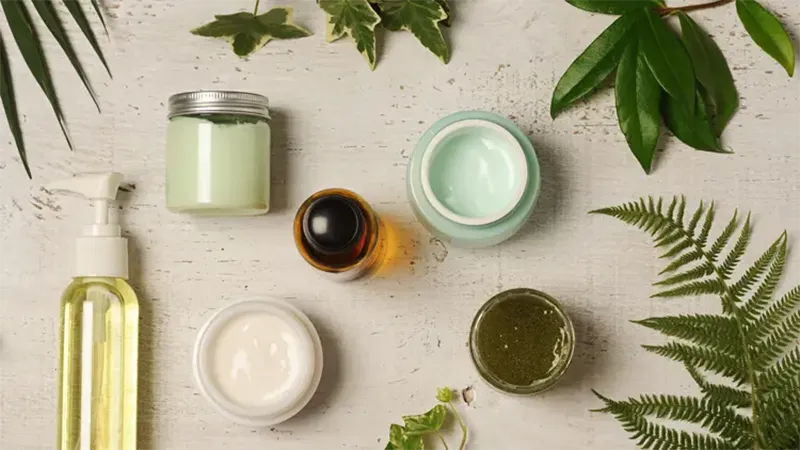
Vegan private label cosmetics let you sell beauty products under your own brand without using animal-derived ingredients. You can choose a ready-made formula or ask a manufacturer to make one for you.
Before launch, check where the ingredients come from. You should also review your claims, packaging, and supplier records. This guide explains what to look for.
What Are Vegan Private Label Cosmetics
Vegan private label cosmetics contain no animal-derived ingredients. A manufacturer makes the products, and a brand sells them under its own name.
Your range can include skincare products, hair care, body care, and makeup products. You can start with one product or build a wider cosmetic line.
Ask your supplier to check the source of each ingredient before you make a vegan claim. The review should include colors, fragrances, and blends.
Vegan and Cruelty Free: What Is the Difference
Vegan generally means a product has no animal-derived ingredients. Cruelty free generally relates to animal testing.
A vegan and cruelty free claim needs evidence for both parts. A product may have no animal ingredients, but its testing history still needs review.
For a cruelty-free claim, ask whether the finished product or its ingredients were tested on animals. You should also check the practices of suppliers and other parties involved in testing.
Also, cruelty free products may contain beeswax or honey. These are animal-derived ingredients and do not fit a vegan brief.
Each certification program has its own rules. Some check ingredient sources and whether products or ingredients have been tested on animals. Read the rules before using a program’s logo.
The US FDA notes that companies may rely on suppliers or other parties for animal testing. Ask for supply chain records before making a claim.
Which Vegan Products Can You Add to Your Line
Choose products that fit your customers and sales channels. These are some common options:
- Facial skincare: Cleansers, serums, and creams.
- Body care: Body lotion, body wash, and body scrub.
- Hair care: Shampoo, conditioner, and hair masks.
- Makeup: Lip products, foundation, and eye makeup.
Not every factory makes every product type. Makeup brands seeking vegan makeup should check that the supplier offers their chosen formats.
For skincare and hair care, explore our private label skin care manufacturer and private label shampoo manufacturer pages. Ask our team to check if a proposed formula meets your vegan brief.
How to Check Ingredients for a Vegan Formula
An ingredient name does not always tell you its source. Some materials can come from animals, plants, or other sources. Ask for records for the exact materials used in your formula.
- Beeswax and honey: These come from animals and do not fit a vegan brief.
- Lanolin: This comes from sheep’s wool. Ask the supplier about other options.
- Collagen: Conventional collagen may come from animals. Check the source of any alternative.
- Glycerin and squalane: These can come from different sources. Ask which source the supplier uses.
- Colors and fragrances: Request details about their components and sources.
Plant based ingredients alone do not prove that a finished product meets a vegan standard. Other materials and processing aids may also need review.
How to Create a Vegan Private Label Cosmetics Line
1. Define Your Product Brief
List your target customers, product types, sales markets, and price range. Tell the supplier if you need a vegan formula, cruelty-free records, or third-party certification.
If you want a product for sensitive skin, discuss the full formula with the supplier. A vegan claim does not mean that a product will suit everyone.
2. Choose a Formula
Ask if the supplier has an existing formula that can be checked against your brief. If you want a specific texture or ingredient profile, discuss a custom formula.
For facial skincare, explore our private label facial cream and serum category. Confirm that the proposed formula meets your needs before placing an order.
3. Review Samples and Documents
Check the sample’s texture, scent, and appearance. Ask for the ingredient list and available source statements. Check that the product also works well in your chosen pack.
If you want certification, contact the certifier early. The review may include raw materials, testing practices, and supplier records.
4. Confirm the Order
Before you approve production, confirm the minimum order quantity, sample costs, lead time, and packaging. Ask if the MOQ applies per formula, scent, size, or label design.
Check packaging claims on their own. A vegan formula does not automatically mean its pack is recyclable or sustainable.
Questions to Ask a Vegan Cosmetics Manufacturer
Use these questions to compare suppliers:
- Which product types can you make?
- Can you make the formula without animal-derived ingredients?
- Can you provide ingredient source statements?
- What animal testing records can suppliers provide?
- Can we submit the formula for our chosen certification?
- What are the MOQ, sample costs, and lead time?
- Which packaging options and product documents are available?
Keep the answers with your product records. If an ingredient or supplier changes, check that your claims still hold true.
Frequently Asked Questions
Are Vegan Cosmetics Always Natural or Organic
No. Vegan refers to the absence of animal-derived ingredients. A vegan formula may contain plant-derived, fermented, or synthetic materials. Natural and organic claims need a separate review.
Can Vegan Products Be Suitable for Sensitive Skin
They may be, but this depends on the full formula and the user. Vegan products can still contain fragrances or other ingredients that irritate some people.
Do Vegan Products Need Third-Party Certification
Rules vary by program and market. Whether or not you seek certification, keep evidence for the claims you make to customers.
Can I Start With a Small Product Range
Yes. A focused range can help you test demand before adding more products. Ask the manufacturer about the MOQ for each formula and pack.
Discuss Your Vegan Private Label Project
Xiangxiang Daily supports private label skincare, hair care, and body care projects. Share your product ideas, target market, ingredient needs, and expected order size with our team.
Before making a claim, confirm the ingredient sources and testing records for your formula. You should also check the certification rules and supporting documents for your target market.