
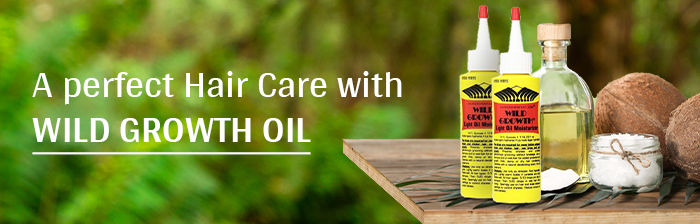
Wild Growth Hair Oil is a popular hair oil online.
Many people use it because they want softer hair, less breakage, and better moisture.
It is also common in curly, coily, relaxed, and dry hair routines.
Some users also try it because they want longer-looking hair.
But does it really grow hair?
The answer is not that simple.
Hair oil can help the hair feel softer.
It can add shine.
It can reduce dryness and friction.
This may help the hair keep more length.
But hair oil is not a guaranteed treatment for bald spots or genetic hair loss.
This Wild Growth Hair Oil review explains what the product is, what is inside it, how to use it, what results are realistic, and what side effects to watch for.
As a private label hair oil manufacturer, Xiangxiang Daily supports hair oil, scalp care oil, hair mask, shampoo, conditioner, and full hair care product lines for global buyers.
What Is Wild Growth Hair Oil?
Wild Growth Hair Oil is a rich plant-based hair oil.
It is made for scalp and hair care.
People often use it to moisturize dry hair, soften rough strands, and support easier styling.
It is also used in scalp massage routines.
The texture can feel heavy if too much is applied.
That is why many users start with only a few drops.
The product is often used for:
- Dry hair.
- Curly hair.
- Coily hair.
- Relaxed hair.
- Chemically treated hair.
- Protective styles.
- Scalp massage.
- Breakage-prone hair.
The product may help hair look and feel healthier.
It may also help reduce dryness.
But it should not be treated as a medical hair loss product.
Hair loss can have many causes.
These include genetics, hormones, illness, medication, stress, poor nutrition, and scalp disease.
If hair loss is sudden, patchy, painful, or fast, a dermatologist can help find the cause.
Wild Growth Hair Oil Ingredients
The formula uses several types of oils and plant-based ingredients.
Most of these ingredients work by coating the hair, adding slip, and helping reduce dryness.
They can make hair feel smoother and easier to comb.
They do not all grow hair directly.
| Ingredient Group | Examples | What It May Do |
|---|---|---|
| Carrier oils | Coconut oil, olive oil, jojoba oil, rice bran oil, pumpkin seed oil | Help seal moisture, add shine, and reduce dryness |
| Rich oils and butters | Heavier oils and cocoa butter-style emollients | Help coarse or dry hair feel softer |
| Plant extracts | Botanical extracts and nutrient-rich oils | Support a natural hair care story |
| Essential oils | Peppermint, lavender, eucalyptus, clary sage, grapefruit, geranium | Add scent and scalp freshness, but may irritate sensitive users |
Carrier oils are important for hair feel.
They can make the hair smoother.
They can also reduce friction when combing or styling.
Less friction may mean less breakage.
This can help hair keep more of its length over time.
Essential oils give the product a strong scent and scalp feel.
Some users like that fresh feeling.
Others find it too strong.
People with a sensitive scalp should patch test first.
White Bottle vs Yellow Bottle
Wild Growth is often discussed in two bottle types.
The white bottle is usually seen as the richer hair oil.
It is often used in small amounts on the scalp and hair.
The yellow bottle is usually seen as a lighter oil moisturizer.
It is often used after washing or for lighter moisture support.
| Version | Common Use | Best Fit |
|---|---|---|
| White bottle | Richer scalp and hair oil | Dry hair, coarse hair, protective styles, scalp massage |
| Yellow bottle | Lighter oil moisturizer | Damp hair, daily softness, lighter oil routines |
Start with a small amount.
More oil does not always give better results.
Too much oil can lead to buildup, itching, or a heavy scalp feel.
Does Wild Growth Hair Oil Work?
It depends on what you want it to do.
If your goal is softer hair, better shine, and easier detangling, the product may help.
If your goal is less dryness and less breakage, it may also help.
If your goal is guaranteed hair regrowth, expectations should be lower.
Hair oil can support length retention.
Length retention means the hair keeps more of the length it already grows.
This can happen when hair breaks less.
For curly, coily, relaxed, or dry hair, less breakage can make hair look like it is growing faster.
But this is not the same as treating hair loss at the follicle level.
| Goal | Can Hair Oil Help? | Realistic Result |
|---|---|---|
| Dry hair | Yes | May help seal moisture and improve softness |
| Breakage | Sometimes | May reduce friction during styling |
| Shine | Yes | Can make hair look smoother and glossier |
| Scalp massage | Yes | Can support comfort and routine consistency |
| Genetic hair loss | Very limited | Not a proven treatment for pattern hair loss |
| Hair follicles | Limited support | May help scalp comfort, but cannot reactivate inactive follicles |
A better question is not only “Does it grow hair?”
A better question is “Does it help my hair stay moisturized, break less, and feel easier to manage?”
That is a more realistic way to judge a cosmetic hair oil.
Wild Growth Hair Oil Benefits
The main benefits are linked to moisture, softness, shine, scalp massage, and breakage control.
These benefits are useful for many dry hair routines.
1. Helps Seal Moisture
Hair oil can help seal moisture after washing or conditioning.
This is useful for dry, curly, coily, or chemically treated hair.
It may also reduce a rough or brittle feel.
2. Supports Length Retention
Hair can seem like it is not growing when it breaks often.
Oil can reduce friction during styling.
This may help users keep more of their existing length.
3. Adds Shine and Softness
Oils can make hair look smoother.
They can also improve slip during combing.
This can make styling less stressful.
4. Helps With Scalp Massage
Many users apply the oil while massaging the scalp.
The massage can make the routine feel relaxing.
It can also help spread the oil more evenly.
5. Works With Protective Styles
People wearing braids, twists, wigs, or other protective styles may use a small amount to refresh the scalp.
The key is to avoid overuse.
Too much oil can trap residue and make the scalp uncomfortable.
How to Use Wild Growth Hair Oil
The best amount depends on hair type.
The safest rule is to start small.
A few drops are often enough.
Too much oil can cause buildup.
- Shake the bottle before use.
- Start with a small amount.
- Apply to the scalp or hair sections as needed.
- Massage gently with fingertips.
- Do not scratch the scalp with nails.
- Comb gently if needed.
- Use less next time if the hair feels heavy.
- Wash it out if the scalp feels itchy or irritated.
For Scalp Massage
Part the hair into sections.
Apply a few drops to the scalp.
Massage gently for a few minutes.
Do not overload the scalp.
This is important for oily scalp, dandruff, or sensitive skin.
For Dry Ends
Apply a tiny amount to the ends.
This can help reduce roughness and add shine.
Avoid using too much near the roots if the hair is fine.
For Curly and Coily Hair
Use it after water-based moisture or leave-in conditioner.
The oil can help seal that moisture.
This may improve softness and reduce friction during styling.
For Protective Styles
Use a small amount on exposed scalp areas.
Do not apply too much oil under wigs, braids, or extensions.
Too much buildup can lead to discomfort.
For dry or damaged hair routines, buyers can also review our hair mask manufacturer category.
Side Effects and Who Should Be Careful
Most people can use hair oil without major issues.
But side effects can still happen.
The most common problems are greasiness, buildup, strong scent, itching, and scalp discomfort.
Essential oils can also irritate sensitive skin.
Possible side effects include:
- Scalp itching.
- Redness.
- Flaking.
- Heavy buildup.
- Greasy hair.
- Clogged-feeling scalp.
- Strong fragrance sensitivity.
- Allergic reaction to essential oils or botanicals.
Do a patch test before using it on the full scalp.
Apply a small amount to a small area first.
Watch for redness, itching, burning, or swelling.
Stop using it if irritation appears.
Who Should Use Extra Caution?
- People with very oily scalp.
- People with dandruff or scalp inflammation.
- People with scalp eczema or psoriasis.
- People with fragrance sensitivity.
- People who get buildup easily.
- People with sudden or patchy hair loss.
AAD recommends seeing a dermatologist if you are losing hair and do not know the cause.
It also recommends gentle washing, moisturizing conditioner, and avoiding habits that damage fragile hair.
You can read AAD’s hair loss care tips here: AAD hair loss tips.
Private Label Hair Oil Ideas for B2B Buyers
Wild Growth Hair Oil is useful for product planning.
It shows that consumers care about natural oils, scalp massage, moisture, softness, and length retention.
For private label buyers, this category can support many product ideas.
- Rosemary scalp care oil.
- Castor oil hair oil.
- Jojoba and coconut hair oil.
- Lightweight hair oil for fine hair.
- Rich hair oil for curly and coily hair.
- Scalp massage oil.
- Hair oil for protective styles.
- Hair oil and hair mask set.
- Hair oil and shampoo set.
- Men’s scalp care oil.
For claim safety, avoid unsupported wording.
Do not say “regrows hair,” “cures hair loss,” or “reactivates follicles” unless the product is properly supported and regulated for that use.
Safer claim directions include:
- Helps reduce breakage caused by dryness.
- Helps hair feel softer and smoother.
- Supports scalp comfort.
- Adds shine.
- Supports length retention.
- Helps seal moisture.
- Supports a healthier-looking scalp.
For full product line planning, buyers can review our private label hair care manufacturer service.
Formula and Packaging Notes
Hair oil products need clear texture planning.
Some users want rich oils.
Others want lightweight oils that do not feel greasy.
Before sampling, buyers should prepare:
- Target hair type.
- Scalp type.
- Oil texture preference.
- Fragrance direction.
- Natural ingredient story.
- Leave-in or wash-out positioning.
- Dropper, pump, or nozzle packaging.
- Bottle size.
- Target market and price level.
- Claim wording.
For scalp-focused product ideas, buyers can review our scalp treatment manufacturer category.
Quality Checks Before Bulk Production
Hair oil needs stable appearance, scent, and texture.
Before bulk production, buyers should check:
- Oil clarity.
- Color stability.
- Odor stability.
- Texture and spread.
- Greasy feel.
- Scalp comfort.
- Hair shine.
- Packaging leakage.
- Dropper or pump function.
- Label accuracy.
- Claim wording.
- Batch consistency.
- Hot and cold stability.
For factory-side checks, buyers can review Xiangxiang Daily’s cosmetic quality control page.
For larger projects, our cosmetics manufacturing support can help with production, filling, packing, inspection, and export preparation.
Conclusion
Wild Growth Hair Oil is a rich plant-based hair oil.
It is often used for moisture, shine, scalp massage, and breakage control.
It may be helpful for dry, curly, coily, relaxed, or textured hair routines.
It may also help hair keep more length by reducing dryness and friction.
But it should not be viewed as a guaranteed hair growth treatment.
Hair loss has many causes.
Some causes need professional diagnosis and medical treatment.
For users, the best approach is to start small, patch test first, avoid buildup, and focus on realistic benefits like softness, shine, and less breakage.
For B2B buyers, this product category shows strong demand for private label hair oil, scalp care oil, rosemary hair oil, castor oil blends, and hair care sets.
Xiangxiang Daily can support private label hair oil, shampoo, conditioner, scalp treatment, hair mask, and full hair care product lines.
For custom hair oil projects, start with our private label hair oil manufacturer service.
FAQ
Does Wild Growth Hair Oil really grow hair?
It may help with moisture, softness, scalp massage, and breakage control.
That can support length retention.
But it is not a proven treatment for genetic hair loss or bald spots.
What are the main Wild Growth Hair Oil ingredients?
The formula includes carrier oils, plant extracts, and essential oils.
Commonly discussed oils include olive oil, coconut oil, jojoba oil, rice bran oil, pumpkin seed oil, peppermint oil, and lavender oil.
How do you use Wild Growth Hair Oil?
Start with a small amount.
Apply a few drops to the scalp or hair.
Massage gently and adjust based on hair type and scalp comfort.
Do not overuse it.
Can I leave Wild Growth Hair Oil in my hair?
Many users leave small amounts in the hair between washes.
If the scalp feels itchy, greasy, or heavy, use less or wash it out.
Is Wild Growth Hair Oil good for curly hair?
It can be useful for curly, coily, and textured hair.
It helps seal moisture and reduce friction.
Use a small amount to avoid heaviness.
Can Wild Growth Hair Oil cause itching?
Yes, some users may experience itching, buildup, or irritation.
This can happen from overuse, essential oils, fragrance, or scalp sensitivity.
What is the difference between the white and yellow bottle?
The white bottle is often used as a richer hair oil.
The yellow bottle is usually discussed as a lighter oil moisturizer.
Users often choose based on hair texture and oil preference.
Can Xiangxiang Daily develop private label hair oil?
Yes.
Xiangxiang Daily can support private label hair oil, scalp care oil, rosemary hair oil, castor oil blends, hair mask, shampoo, conditioner, packaging, samples, and quality checks.