Biotin shampoo is a hair cleanser that contains biotin, also known as vitamin B7. Many formulas are marketed for fine, weak, or thinning hair and aim to leave it looking fuller or feeling easier to manage.
It is important to separate appearance from growth. A shampoo may make existing strands feel softer or look more voluminous, but biotin on the label does not prove that the product can grow new hair. If you are noticing ongoing hair loss, finding the cause matters more than choosing a shampoo by its main ingredient.
What Is Biotin Shampoo?
Biotin shampoo is a rinse-out product that combines cleansing ingredients with biotin and other hair care ingredients. Depending on the formula, it may also contain proteins, conditioning agents, plant oils, or scalp-care ingredients.
Biotin is an essential nutrient that helps the body process fats, carbohydrates, and amino acids. A biotin deficiency can contribute to hair thinning, although deficiency is uncommon. That nutritional role does not mean applying biotin in a shampoo will correct every hair concern.
Its first job is still cleansing. A suitable formula should remove oil and product buildup while leaving your scalp comfortable and your hair manageable.
What Can Biotin Shampoo Do for Your Hair?
A well-formulated shampoo may make hair feel cleaner, softer, or fuller after washing. Some products include ingredients that help improve the feel of the hair surface, while others are designed to give fine strands more body.
Possible benefits depend on the complete formula:
- Fuller-looking hair: A lightweight or volumizing formula may help fine hair look less flat.
- Easier styling: Conditioning ingredients can improve the way the lengths feel after washing.
- Less breakage from handling: A suitable shampoo and conditioner may make fragile hair easier to manage.
- A comfortable scalp: Cleansing helps remove excess oil and residue, provided the product suits your skin.
These benefits should not automatically be credited to biotin alone. The cleansing system, conditioning ingredients, and the way you style your hair can all affect the result.
Does Biotin Shampoo Help Hair Grow?
There is not enough strong clinical evidence to conclude that ordinary biotin shampoo reliably grows new hair. A fuller appearance after washing may come from how the finished product affects existing strands, not from an increase in the number of hairs.
The American Academy of Dermatology notes that some shampoos marketed for hair loss can make hair look fuller or help reduce breakage. That is different from treating the cause of hair loss or regrowing hair.
Research on oral biotin supplements also needs to be kept separate from research on a rinse-out shampoo. A supplement, scalp serum, and shampoo have different forms and conditions of use; a result from one does not prove the others will work.
Does It Help Hair Grow Longer?
It might help you retain length if the complete routine makes hair easier to handle and reduces breakage. However, retaining more of the hair you already have is different from making it grow faster at the scalp.
If your ends break as quickly as your hair grows, consider the whole routine: conditioning, gentle detangling, heat styling, coloring, and regular trims. A shampoo alone cannot permanently repair split ends.
How to Compare Biotin Shampoos
Many products share “biotin” in their name but offer different textures, fragrances, and ingredients. The following examples illustrate what to compare. Xiangxiang Daily has not independently tested or ranked these products.
Maple Holistics Biotin Shampoo
The brand positions this shampoo for fuller-looking hair and lists biotin alongside ingredients such as plant oils. Its formula may appeal to shoppers looking for a product marketed to fine or thinning hair.
Check the complete ingredient list if your scalp is sensitive to fragrance or essential oils. A fuller-looking result should not be treated as proof of new growth.
Mill Creek Botanicals Biotin Shampoo
This formula lists biotin with ingredients including hydrolyzed keratin, panthenol, aloe, and peppermint oil. It is an example of a multi-ingredient shampoo rather than a product whose performance can be attributed to biotin alone.
If peppermint or fragrance has irritated your scalp before, review the label carefully. Formulas and packaging can change, so check the version sold in your market.
OGX Biotin & Collagen Shampoo
OGX markets its Biotin & Collagen shampoo for a fuller, more voluminous look. The published ingredient list includes biotin, hydrolyzed collagen, and conditioning ingredients.
Collagen in a shampoo does not mean the product replaces collagen in the body or guarantees new hair growth. Judge it by how the complete formula cleans and how your hair feels after drying.
How to Choose the Right Formula
For fine hair: Look for a lightweight formula and assess your hair once it is dry. A product that leaves the roots coated may make fine strands look flatter rather than fuller.
For dry or curly hair: Look for comfortable cleansing and pair the shampoo with a conditioner that gives enough slip for gentle detangling. Our guide to what conditioner does explains why the second step can matter.
For a sensitive scalp: Check the fragrance and ingredient list. Stop using the product if it causes itching, burning, or a rash, and seek professional advice if irritation continues.
For persistent thinning: Do not rely on an ingredient name alone. A dermatologist can help identify whether you are experiencing breakage, increased shedding, or another type of hair loss.
How Often Should You Use It?
Follow the label and adjust your washing schedule to your scalp, hair type, and activity level. Some people need frequent cleansing because their roots become oily; others may wash less often to keep their lengths comfortable.
Massage the shampoo gently into a wet scalp, then rinse thoroughly. Apply conditioner where your hair needs it, usually through the lengths and ends. If you want to know whether a new product suits you, change one product at a time and pay attention to scalp comfort as well as the finished look.
Do You Need Biotin Supplements Too?
Using a biotin shampoo does not mean you need a supplement. The National Institutes of Health reports that biotin deficiency is uncommon and that evidence for the hair benefits often claimed for supplements is limited.
High-dose biotin supplements can also interfere with certain laboratory tests. Tell your healthcare professional and laboratory staff about supplements you take, and ask for advice before using one for hair loss.
What Should Brands Consider When Developing Biotin Shampoo?
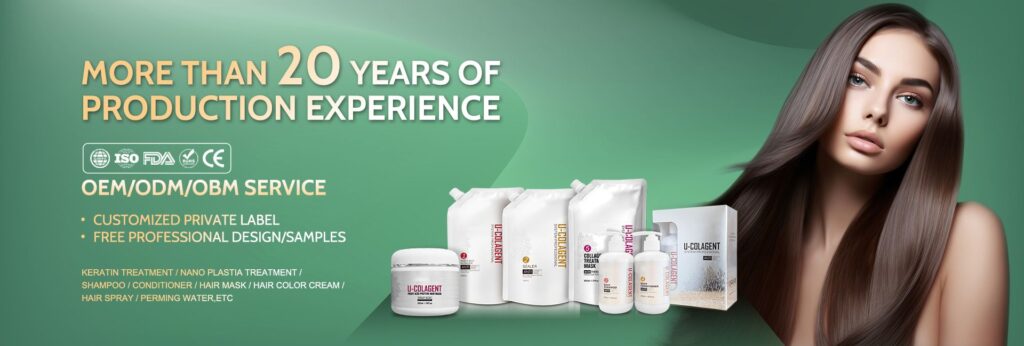
From a manufacturer’s perspective, a biotin claim should begin with a clear product goal. A shampoo developed for fuller-looking fine hair may need a different balance of cleansing and conditioning from one designed for dry, fragile lengths.
Compare samples for foam, rinse feel, scalp comfort, detangling, and how much weight they leave after drying. Claims such as reduced breakage or regrowth need evidence for the finished product and must suit the rules in the intended market.
Brands can explore Xiangxiang Daily’s private label shampoo and conditioner range. For a broader comparison of formats and evidence, read our guide to biotin products for hair growth.