Hair mask vs conditioner is a common question for people with dry, damaged, or treated hair. The simple answer is this: conditioner is for regular wash care. A hair mask is for deeper care.
Both products can make hair feel softer. But they do not have the same texture, use time, formula goal, or product position.
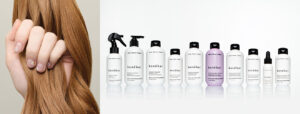
This topic is also useful for hair care brands. A clear product line can include shampoo, conditioner, hair mask, hair oil, and scalp care products.
A personal care manufacturer can help brands plan the right formula, packaging, claims, and product set.
1) Main Difference
Conditioner is a rinse-off product used after shampoo. It helps hair feel smoother, softer, and easier to comb.
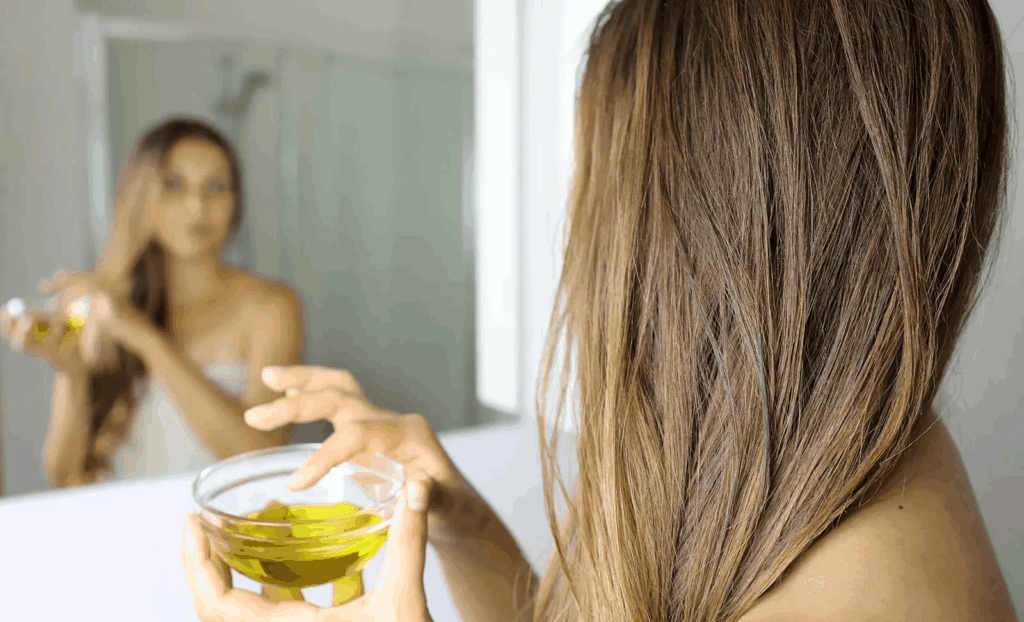
A hair mask is a richer rinse-off treatment. It is often used weekly or when hair needs more care. It usually stays on the hair longer than conditioner.
The main difference is care level, texture, and use time.
| Product Type | Main Goal | Use Time | Best For |
|---|---|---|---|
| Conditioner | Daily softness and easy combing | Short rinse-off time | Regular wash routines |
| Hair Mask | Deeper care and richer hair feel | Longer leave-on time before rinsing | Dry, damaged, frizzy, or treated hair |
For brands, this difference matters. Conditioner can support daily use and repeat purchase. A mask can support premium care, salon care, repair positioning, and treatment sets.
Xiangxiang Daily supports this category through hair mask manufacturer services for retail brands, salons, e-commerce sellers, distributors, and wholesale buyers.
2) When to Use Each Product
Conditioner is usually used after shampoo. Many people use it after every wash or most wash days.
A mask is usually used less often. Many consumers use it once or twice a week. Some use it after coloring, bleaching, heat styling, swimming, or long sun exposure.
Use conditioner when: hair needs quick softness, smooth combing, light moisture, or daily care.
Use a hair mask when: hair feels dry, rough, frizzy, weak, or hard to manage.
Use both when: the routine targets damaged hair. Conditioner can support daily softness. A mask can give a richer weekly care story.
For hair care brands, this creates a simple routine:
- Shampoo for cleansing.
- Conditioner for regular softness.
- Hair mask for deeper weekly care.
- Hair oil for shine and dry ends.
- Scalp treatment for root and scalp care.
This routine helps brands sell more than one product in the same line.
3) Formula Texture and Ingredients
Conditioner and hair mask formulas can use similar ingredient groups. But the formula balance is different.
A conditioner is often lighter. It should spread fast and rinse well. It should not leave hair too heavy.
A mask is usually richer. It can use more conditioning agents, oils, butters, proteins, amino acids, or bond-care inspired ingredients.
Common conditioner ingredients: Cationic conditioning agents, fatty alcohols, light silicones or silicone alternatives, panthenol, glycerin, aloe vera, and fragrance.
Common hair mask ingredients: Rich conditioning agents, shea butter, coconut oil, argan oil, macadamia oil, amino acids, ceramides, peptides, and plant extracts.
For damaged hair: Amino acids, hydrolyzed protein, panthenol, ceramides, argan oil, macadamia oil, and rich emollients can support a stronger care story.
For breakage care: A smooth formula can help hair feel easier to comb. This may help reduce pulling during brushing. When supported by test data, brands can use claim language such as “reduces breakage from combing.”
For frizz control: Smooth conditioning systems, light oils, silicones or silicone alternatives, and anti-frizz polymers can help improve hair feel.
For color treated hair: A mild formula and soft after-feel are important. The product should not promise medical or permanent repair effects.
Brands can also connect this product line with shampoo and conditioner manufacturer support for full cleansing and care routines.
4) Hair Type and Product Positioning
The best product depends on hair type. A light conditioner may work well for fine hair. A rich mask may work better for dry, curly, or damaged hair.
Fine hair: Use a light conditioner or lightweight mask. Avoid a greasy or heavy finish.
Dry hair: A rich mask can support softness, comfort, and smoother hair feel.
Curly hair: A mask can help with moisture feel and manageability. It can pair well with leave-in cream or styling products.
Bleached or colored hair: A mask can support a premium care story. Brands should use careful wording such as “helps hair feel stronger” or “supports smoother-looking hair.”
Oily scalp with dry ends: Conditioner or mask should be used mainly on lengths and ends. The line can also include a scalp product for root freshness.
This is where brands can build different SKUs for different users. A mass-market line may need one conditioner and one mask. A salon line may need several masks for different hair needs.
For scalp-focused routines, brands can use scalp treatment manufacturer support to add scalp tonic, scalp serum, scrub, or pre-wash products.
5) Product Ideas for Hair Care Brands
Hair care brands can use this comparison to build a clear product range. This helps buyers understand the product role faster.
Daily Smooth Conditioner: A light rinse-off product for regular wash routines. It can target softness, smooth combing, and fresh scent.
Repair Hair Mask: A rich weekly treatment for damaged hair, heat-styled hair, or color treated hair.
Anti-Breakage Hair Mask: A smoothing mask for weak-feeling hair. The formula can focus on better combing, less rough feel, and reduced breakage from brushing when supported by testing.
Anti-Frizz Mask: A smoothing treatment for humid markets, frizzy hair, and dry lengths.
Curly Hair Mask: A nourishing formula for textured hair routines. It should feel rich but not too heavy.
Salon Deep Treatment Mask: A premium product for salons, spas, and retail backbar sets.
Hydrating Conditioner and Mask Set: A simple two-product set for e-commerce sellers, beauty retailers, and distributors.
A full hair care range can also include private label hair oil manufacturer support for shine, dry ends, scalp massage, and finishing products.
6) Packaging Market Fit and Claims
Packaging should match the product texture and sales channel.
Conditioner packaging: Bottles, pump bottles, squeeze tubes, and travel sizes are common. The package should make daily use easy.
Hair mask packaging: Jars, tubes, wide-mouth bottles, and sachets are common. Jars can show a rich texture. Tubes can feel cleaner and easier to use.
Salon size: Large jars or pump packs can work for salons, spas, and professional backbar use.
Mini packs: Sachets and small tubes can work for trial packs, beauty boxes, travel kits, and online bundles.
Market fit also matters. In the Philippines, lightweight conditioner, anti-frizz masks, and humid-weather hair care can be useful product angles.
In Nigeria, richer masks, textured hair care, dry hair care, and protective style routines may have stronger appeal. A mask can pair well with shampoo, conditioner, and hair oil.
Safer claim language includes:
- Helps hair feel soft and smooth.
- Supports dry and damaged hair care routines.
- Helps reduce the feel of rough hair.
- Leaves hair easier to comb.
- Helps improve the look of frizzy hair.
- Rich texture for weekly deep care.
- Supports healthier-looking hair.
- Helps reduce breakage from combing when supported by testing.
Brands should avoid strong medical repair claims. Cosmetic wording should focus on hair feel, appearance, softness, smoothness, and manageability.
A related high-performing shampoo topic, sulfate-free shampoo Philippines, can support the wider hair care cluster and help brands connect gentle cleansing with conditioner and mask routines.
7) Manufacturing Quality and Sampling
For B2B projects, conditioner and hair mask products should start with a clear target. The formula should match the hair type, texture goal, price level, and sales channel.
Formula checks: The product should have stable appearance, suitable viscosity, good spread, smooth rinse-off, and pleasant after-feel.
Hair feel checks: The product should make hair feel soft and manageable. It should not leave too much residue.
Combing checks: Brands can review wet combing and dry combing feel. This is useful for products that claim smoother hair or reduced breakage.
Packaging checks: Bottles, tubes, jars, pumps, caps, labels, and cartons should be tested before shipment.
Stability checks: Heat, cold, freeze-thaw, color, scent, viscosity, and separation should be reviewed before bulk production.
Claim checks: Product pages should explain use method, hair type, texture, and claim limits clearly.
Before bulk production, brands can review cosmetic quality control needs such as stability, packaging fit, leakage, microbial control, label adhesion, and carton strength.
If your brand needs full product planning, OEM and ODM personal care services can help connect formula direction, fragrance, packaging, sampling, filling, and export needs.
For larger orders, cosmetics manufacturing support can also help with production planning, filling, packaging, quality review, and export preparation.
Before sampling, brands should prepare a simple brief.
- Do you want conditioner, hair mask, or a full hair care set?
- Is the product for dry hair, damaged hair, frizz, curls, color treated hair, or salon use?
- Should the texture feel light, creamy, rich, buttery, or fast-rinsing?
- Do you prefer argan oil, coconut oil, macadamia oil, shea butter, protein, amino acids, or ceramides?
- Do you need bottle, tube, jar, sachet, mini size, or salon size?
- Which market and sales channel will the product target first?
Conclusion
Hair mask vs conditioner is mainly a question of care level. Conditioner is usually for regular softness and easier combing. A hair mask is usually a deeper treatment for dry, damaged, frizzy, or treated hair.
For consumers, both products can be useful in one routine. Conditioner can support daily wash care. A mask can support weekly deep care.
For hair care brands, this comparison can guide product line planning. A clear conditioner and mask set can serve retail, salon, e-commerce, distributor, and wholesale channels.
If you are planning a private label hair care line, Xiangxiang Daily can help develop conditioner, hair mask, shampoo, hair oil, scalp treatment, and styling products with suitable formula, scent, packaging, claim language, and market direction.
For custom production, our private label hair mask manufacturer service can support salon brands, retail brands, online sellers, distributors, supermarkets, and wholesale buyers.
FAQ — Hair Mask vs Conditioner
Q1: What is the main difference between a hair mask and conditioner?
Conditioner is usually for regular softness and easy combing. A hair mask is usually a richer treatment for deeper care.
Q2: Can you use a hair mask instead of conditioner?
Sometimes, yes. But many routines use conditioner for regular care and a mask for weekly deep treatment.
Q3: How often should you use a hair mask?
Use frequency depends on hair type, damage level, product texture, and climate. Many consumers use a mask once or twice a week.
Q4: Is a hair mask good for damaged hair?
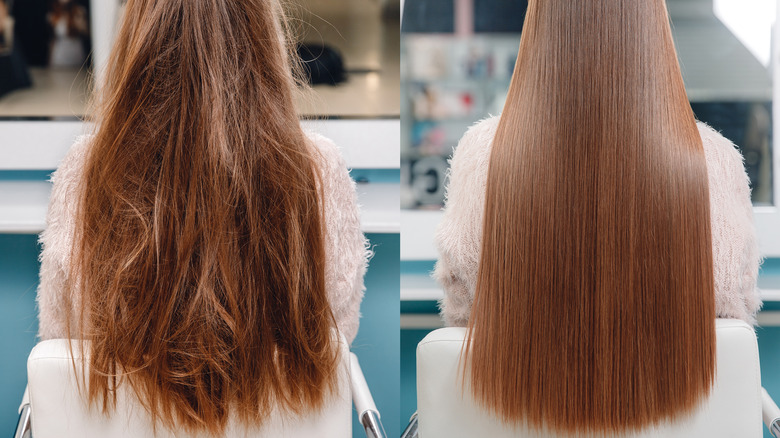
Yes. A well-designed mask can help damaged hair feel softer, smoother, and easier to manage.
Q5: Can a hair mask reduce breakage?
A smooth and conditioning formula can help reduce pulling during combing. When supported by testing, brands can use wording such as “helps reduce breakage from combing.”
Q6: Is conditioner enough for dry hair?
For mild dryness, conditioner may be enough. For very dry or damaged hair, a richer mask can be useful.
Q7: What ingredients are common in hair masks?
Common choices include shea butter, argan oil, coconut oil, macadamia oil, amino acids, panthenol, ceramides, and protein-inspired ingredients.
Q8: What packaging is best for hair masks?
Jars, tubes, wide-mouth bottles, sachets, and salon-size packs are common. The best choice depends on texture, price level, and sales channel.
Q9: What should brands prepare before contacting a manufacturer?
Prepare the target market, hair type, product texture, ingredient story, scent direction, packaging idea, benchmark product, claim direction, and sales channel.