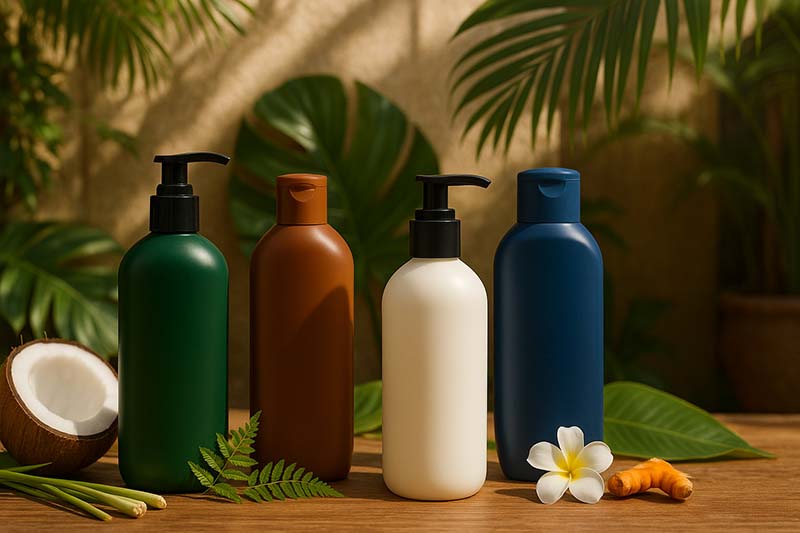
You can make a simple natural shampoo by mixing liquid Castile soap with distilled water just before washing your hair. It takes only a few minutes, but the result may feel different from your usual shampoo.
Castile soap is alkaline. It can leave some hair feeling rough or waxy, especially in hard water. Make enough for one wash, and pay attention to how your hair and scalp feel afterward.
What You Need to Make Natural Shampoo
For one small wash, gather:
- 1 teaspoon of unscented liquid Castile soap suitable for skin
- 1 teaspoon of distilled water
- A clean cup or small bowl
- A clean spoon
If you have thick or long hair, you may need a little more. Keep the same ratio of soap to water, and check the soap’s label for directions and warnings.
How to Make Natural Shampoo at Home
- Pour the Castile soap and distilled water into the clean cup.
- Stir gently until the liquids are combined.
- Wet your hair thoroughly with lukewarm water.
- Apply the mixture to your scalp and massage with your fingertips.
- Rinse well. If your lengths feel dry, use your usual conditioner afterward.
- Discard any mixture left in the cup.
The mixture will be thinner than many commercial shampoos. It may also leave your hair with less slip, so take care when detangling. Stop using it if your scalp becomes irritated or your hair feels excessively dry.
Can You Store Homemade Natural Shampoo?
For this recipe, make a fresh portion each time. Once you add water to a product, its existing preservative system may no longer protect the diluted mixture during storage.
A clean bottle alone does not solve the problem. According to the U.S. Food and Drug Administration, water and raw materials can introduce microorganisms into cosmetics.
Fresh aloe vera, coconut milk, and herbal tea can make a stored mixture even harder to preserve. Essential oils and vitamin E are not reliable replacements for a suitable cosmetic preservative.
Why Does Homemade Shampoo Make Hair Feel Waxy?
A waxy coating is a common complaint about Castile soap shampoo. Soap can react with minerals in hard water, leaving residue on the hair. Some people also find that it makes their hair feel rough or tangled.
Rinse thoroughly and see how your hair feels once dry. If the coating returns after every wash, the recipe may not suit your hair or water. A formulated shampoo with different cleansing ingredients may work better.
If your scalp already feels dry, be careful about using a strong cleanser to remove the residue. Our guide to clarifying shampoo for a dry scalp explains when deeper cleansing may be useful and when a gentler wash is a better choice.
Can You Add Natural Oils or Aloe Vera?
Many DIY recipes include ingredients such as coconut oil, olive oil, aloe vera, or essential oils. Each can change the way the mixture feels and rinses.
- Coconut or olive oil: These can leave hair feeling softer, but too much may make it greasy or difficult to rinse.
- Aloe vera: It is often used in hair care products, but fresh aloe added to a stored mixture creates an extra preservation challenge.
- Essential oils: These can irritate the skin. Do not apply them undiluted to your scalp.
Keep your first attempt simple. If it causes itching or leaves your hair coated, it will be easier to identify what may have caused the problem.
Should You Use Baking Soda or Apple Cider Vinegar?
Baking soda is popular in some “no-poo” routines, but its high pH can leave hair feeling dry or rough. Apple cider vinegar is acidic and can irritate skin if used improperly.
Using one after the other does not guarantee a balanced shampoo. Avoid trying to adjust a soap mixture by guessing how much vinegar it needs.
How Is a Formulated Natural Shampoo Different?
A formulated shampoo usually combines cleansing ingredients called surfactants with ingredients chosen for texture, hair feel, and preservation. Some surfactants are made using plant-derived materials, but the finished formula still needs careful development.
At Xiangxiang Daily, we look at how the ingredients work together as a complete product. A shampoo needs to clean the scalp, rinse well, and remain stable in its packaging. The type and amount of each ingredient affect the result.
For a closer look at the ingredients used in finished products, read our guide to shampoo formulation ingredients and their functions.
A product intended for sale also needs appropriate preservation, stability, and packaging checks. A shampoo that looks and smells fine is not necessarily protected from microbial contamination.
Is Natural Shampoo Better for Your Hair?
Not always. The word “natural” can describe different products, and the origin of an ingredient does not guarantee that a shampoo will suit your scalp.
A simple soap-based wash may work for some people. If it leaves your hair coated, tangled, or dry, choose a shampoo that cleans comfortably and suits your hair type. For persistent itching, pain, or flaking, seek advice from a healthcare professional.