
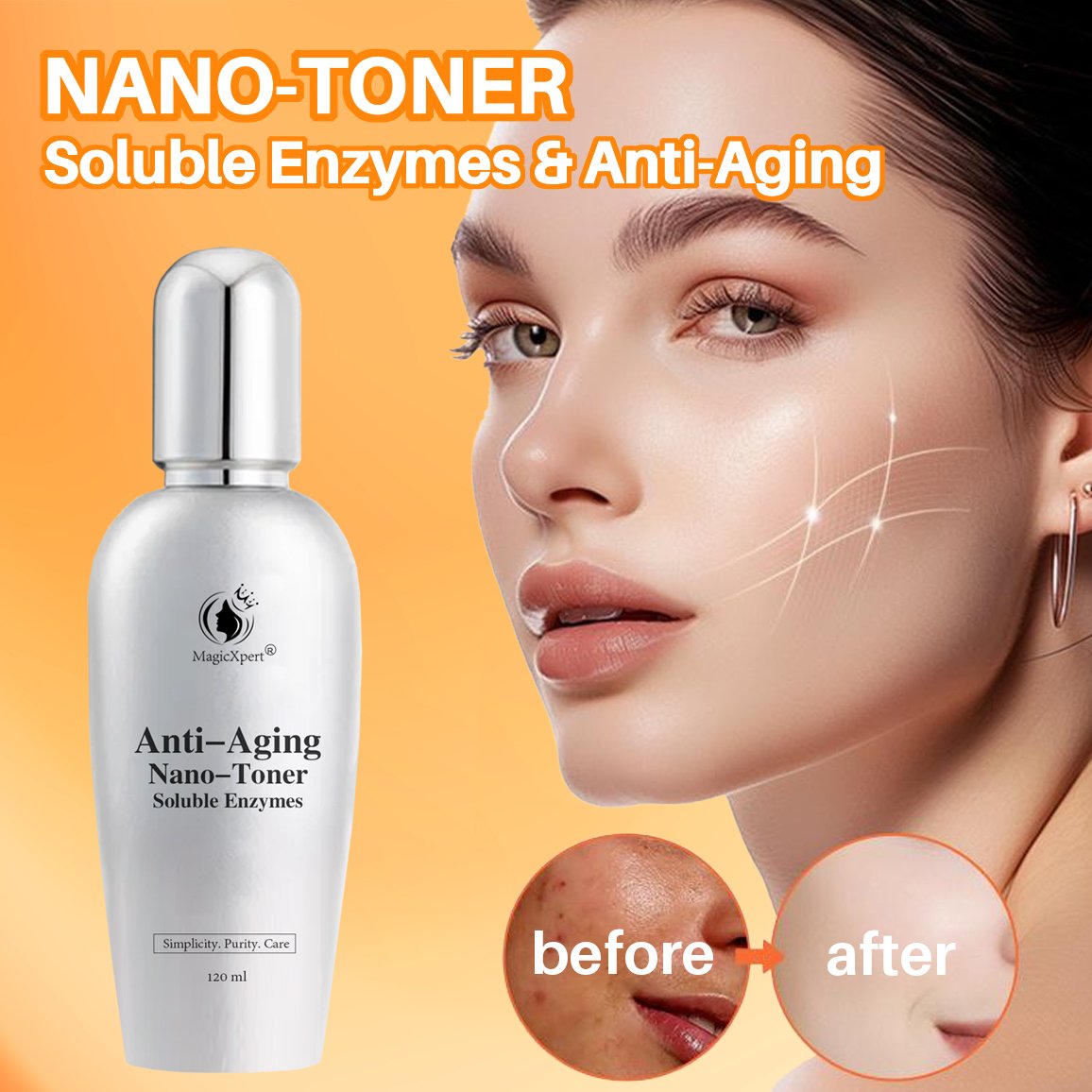
Face toner is a lightweight product usually applied after cleansing. Depending on its formula, it can add hydration, gently exfoliate, or help reduce the look of excess oil.
So, what does toner do for your face? The answer depends on the ingredients in the bottle. A hydrating toner and an exfoliating toner can feel similar, but they do different jobs. Neither is essential for everyone.
What Is a Skin Toner?
A skin toner is usually a water-based liquid that you leave on your face after cleansing. Older toners were often astringent and designed to remove oil. Today, many formulas focus on hydration, while others contain exfoliating ingredients.
Toner is an optional step in a skincare routine. If your cleanser and moisturizer already keep your skin comfortable, you do not have to add one.
What Can Toner Do for Your Face?
Add a Layer of Hydration
Hydrating toners often contain ingredients such as glycerin or hyaluronic acid. These help attract water and can leave skin feeling softer after cleansing.
A toner may add hydration, but dry skin may still need a moisturizer afterward to help maintain moisture.
Help With Excess Oil and Clogged Pores
Some toners contain salicylic acid, a beta hydroxy acid. It exfoliates and can help with unclogging pores, which may be useful for some people with acne prone skin.
More is not always better. An exfoliating toner can also cause dryness or irritation, especially if you already use other acne treatments. The American Academy of Dermatology explains how salicylic acid is used for acne.
Improve the Look of Skin Texture
Some exfoliating formulas use acids such as glycolic or lactic acid to help remove dead skin cells from the surface. This can make skin feel smoother. Other toners focus on comfort and hydration rather than exfoliation.
Toner cannot permanently shrink pores. A suitable formula may make them look less noticeable, but the result depends on the product and your skin.
How to Choose a Toner for Your Skin Type
The best choice depends on your skin and the other products you use. Compare the complete formula, not just the word “toner” on the label.
- Dry skin: Consider a hydrating formula with glycerin or hyaluronic acid, followed by moisturizer.
- Oily or acne prone skin: A lightweight toner may feel comfortable. A salicylic acid formula can be an option if your skin tolerates it.
- Sensitive skin: Start with a simple, fragrance-free hydrating formula. Avoid products that cause burning or leave your face feeling tight.
- Combination skin: Choose a formula that feels comfortable across both oily and dry areas.
Even products marketed for all skin types can irritate some people. If you have rosacea or another skin condition, ask your dermatologist before adding a toner. Strong astringents and exfoliating products may be unsuitable for reactive skin.
How to Use Toner in Your Skincare Routine
- Wash your face with a gentle cleanser.
- Apply the toner with clean hands or a cotton pad, as directed.
- Follow with a serum if you use one, then moisturizer.
- In the morning, finish with sunscreen.
Most toners are left on the skin, but check your product’s instructions. If you use prescription skin medicine, follow your clinician’s directions for application order.
Hydrating toners and facial essences can serve similar purposes. You may not need both. Our guide to when to use essence in a skin care routine explains how these products can fit together.
Can You Use Toner Every Day?
Some hydrating formulas can be used daily if your skin tolerates them. Toners with exfoliating active ingredients may need to be used less often. Follow the label and introduce one new product at a time.
Be careful when combining an exfoliating toner with retinoids or other acids. Using several potentially irritating products together can leave skin dry or uncomfortable. Stop using a product that causes a persistent burning sensation, rash, or swelling.
Do You Need Toner After Cleansing?
No. Toner is a choice, not a required step. Your skin does not automatically need a separate toner to make every serum work or to correct its pH after every wash.
Consider one if it gives you a benefit you want, such as an extra layer of hydration. If your current routine works well, it is also fine to skip it.
A Manufacturer’s View: Why Formulas Differ
Two products labeled “toner” can have very different ingredients and purposes. A watery texture alone does not tell you whether a formula hydrates, exfoliates, or suits sensitive skin.
For brands, the intended user and application instructions should guide the formula and packaging. Xiangxiang Daily lists PDRN collagen toner pads as one format. Brands can discuss ingredient direction, samples, and packaging for their target market.
Whether you choose a liquid toner or a pad, use it for a clear purpose and pay attention to how your skin responds.