Can you find a shampoo that promotes hair growth? Some shampoos are marketed for thinning hair and contain ingredients that researchers have studied. However, a shampoo’s label does not prove that it can regrow hair or treat the cause of hair loss.
A useful shampoo can clean the scalp, improve how hair feels, and help reduce breakage when paired with gentle care. If your hair is becoming thinner, the right next step depends on why it is happening.
This guide compares shampoo options, explains the evidence behind common ingredients, and helps you decide when to seek professional advice.
Can Shampoo Really Promote Hair Growth?
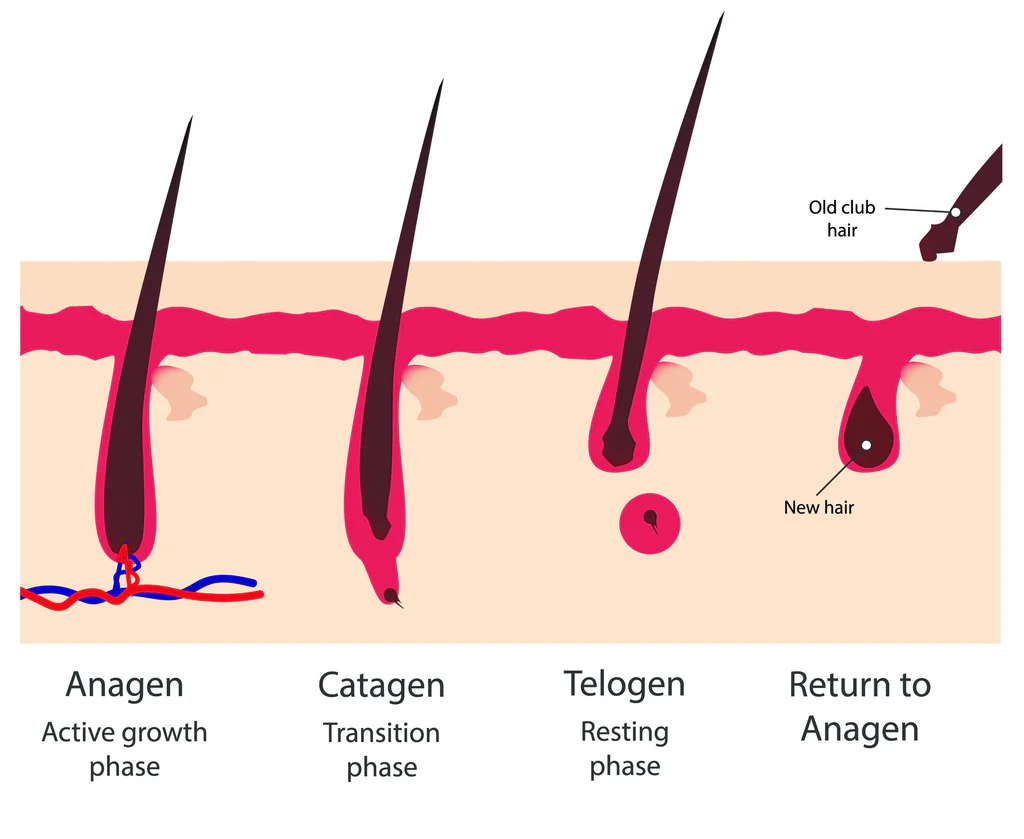
Hair grows from a hair follicle beneath the skin. Hair loss can occur for many reasons, including inherited conditions, illness, stress, some hairstyles, and other factors.
Shampoo is a rinse-off product. Its main job is to clean the scalp and hair. Some formulas also make strands feel smoother or appear fuller, while others treat a specific scalp concern such as dandruff.
These benefits are different from helping a follicle grow new hair. A shampoo for thinning hair may be a useful part of your routine, but it should not replace an assessment when shedding or thinning continues.
Shampoo Options to Consider for Thinning Hair
The following examples serve different needs. Xiangxiang Daily has not independently tested these products, and their inclusion does not mean they are proven treatments for every type of hair loss.
Vegamour GRO Revitalizing Shampoo
Byrdie selected Vegamour GRO Revitalizing Shampoo as its overall top pick in a test of products marketed for hair growth. The review reports that its tester noticed changes around the hairline, while also noting that the product may leave the scalp feeling itchy.
This is an example of a cosmetic shampoo marketed for thinning hair. A tester’s experience does not establish that the product will regrow hair for everyone. Read the ingredient list and consider your scalp’s needs before buying.
Garnier Fructis Grow Strong Fortifying Shampoo
Byrdie included Garnier Fructis Grow Strong as a more affordable choice in the same review. A strengthening shampoo may appeal to someone whose main concern is hair that breaks during washing or styling.
Keep in mind that reducing breakage and treating hair loss at the follicle are different goals. Check the product label for its current ingredients and intended use.
Nizoral Anti-Dandruff Shampoo
In the United States, Nizoral Anti-Dandruff Shampoo contains 1% ketoconazole. Its labeled purpose is to control dandruff, not to serve as a proven treatment for every cause of hair loss.
If flakes and itching are part of your concern, an appropriate dandruff shampoo may help address those symptoms. Follow the label and ask a healthcare professional if you are unsure whether it suits you.
For the product review and its testing method, see Byrdie’s hair growth shampoo guide. Product formulas and availability may change, so check the current label in your market.
Hair Growth, Shedding, or Breakage: What Is the Difference?
Before choosing hair care products, look at the change you are trying to address. Hair that breaks may leave short pieces along the lengths. Shedding involves hairs coming away from the scalp.
A gentle shampoo and conditioner can make fragile strands easier to manage and may help reduce damage from combing. That can help you retain length, but it does not necessarily change how quickly new hair grows.
Thinning at the part, temples, or crown may have a different cause from broken ends. A board certified dermatologist can examine the pattern and discuss whether testing or treatment is appropriate.
Key Ingredients in Shampoos Marketed for Hair Growth
Brands highlight many ingredients, but the evidence is not the same for each one. The complete formula, the people studied, and the way a product is used all matter.
Caffeine
Caffeine appears in shampoos and leave-on scalp products. Some clinical studies have reported promising results, but study designs and formulas vary. Evidence for a specific caffeine shampoo should be assessed on its own.
A result from a leave-on product does not automatically apply to a rinse-off shampoo. Nor does the presence of caffeine on an ingredient list guarantee a visible change.
Biotin
Biotin is a common ingredient in products marketed for healthy hair. Its presence in a shampoo does not prove that the finished formula can regrow hair or correct a deficiency.
If you are considering a supplement because of hair loss, ask a healthcare professional first. The cause of thinning may have nothing to do with biotin.
Ketoconazole
Ketoconazole is an antifungal ingredient used in some medicated dandruff shampoos. It can be useful for an appropriate scalp concern when used as directed.
Do not assume that every ketoconazole shampoo is a hair growth treatment. Check its labeled purpose and speak with a clinician if thinning continues.
Panthenol and Conditioning Agents
Panthenol and other conditioning ingredients can improve how hair feels and help with manageability. They may be useful when dry hair tangles or breaks easily.
These ingredients support the hair shaft. Their inclusion does not prove that a shampoo changes the growth cycle of the hair follicle.
Rosemary and Other Botanical Ingredients
Rosemary appears in oils, shampoos, and other hair care products. Research on one rosemary preparation cannot automatically be applied to every shampoo containing the ingredient.
Botanical extracts can also irritate some people. If a product causes burning, a rash, or persistent itching, stop using it and seek advice.
For a closer comparison, read our guide to anti hair loss shampoo ingredients.
How to Choose a Shampoo for Your Specific Hair Needs
For Fine or Thinning Hair
Choose a cleanser that leaves your scalp comfortable and your hair easy to style. A volumizing shampoo may make fine hair look fuller, but this is a cosmetic effect rather than proof of new growth.
If your part is widening or you notice ongoing shedding, take note of when it began and speak with a clinician. Early assessment can help identify the cause.
For Dry Hair or Breakage
Look for a gentle shampoo and use conditioner to help detangle the lengths. Avoid pulling through knots, and limit styling practices that cause heat or tension damage.
If short broken hairs are your main concern, track whether your hair becomes easier to comb and breaks less. These observations are more useful than expecting a shampoo to change the follicle.
For an Oily Scalp
Choose a shampoo that removes excess oil without leaving the scalp uncomfortable. Washing frequency varies by person, so adjust your routine to your scalp and hair type.
If you also have flakes or itching, consider whether a dandruff shampoo is appropriate. Persistent symptoms should be assessed rather than covered with more styling products.
For Color-Treated Hair
If you color your hair, check whether the manufacturer describes the formula as color safe. Follow your colorist’s instructions after a recent service and compare how the shampoo leaves both your scalp and your lengths feeling.
For a Sensitive Scalp
Review the ingredient list for fragrances or other substances that have irritated you before. A shorter ingredient list or a sulfate free claim does not guarantee that a product will suit everyone.
Stop using a product that causes significant irritation. A dermatologist can help assess persistent scalp symptoms and suggest suitable care.
Do Scalp Circulation Claims Mean a Shampoo Works?
Some brands say that their products support scalp circulation. A cool or tingling feeling, however, does not prove that a shampoo improves blood flow or grows hair.
Look for evidence on the finished product and the specific claim. Ask whether a study measured new hair growth, reduced shedding, hair breakage, or simply how participants felt about their hair.
A product may perform well as a cleanser even if its hair growth claim has not been established. Decide what you need it to do before paying more for a featured ingredient.
What Treatments Have Evidence for Hair Loss?
The best approach depends on the cause. For some types of hair loss, a healthcare professional may recommend topical minoxidil or another treatment. Availability and instructions vary by country and product.
Minoxidil is not the same as an ordinary shampoo. It has specific directions, and a clinician or pharmacist can help you decide whether it is appropriate for you.
The American Academy of Dermatology’s guide to hair loss diagnosis and treatment explains why identifying the cause matters before selecting a treatment.
How Long Should You Try a Shampoo?
Follow the product directions and assess what the shampoo can reasonably do. Cleansing and hair feel can often be judged after washing, while changes in breakage may take longer to notice.
There is no reliable timeline that applies to every shampoo and every cause of thinning. If your hair loss is increasing, do not delay seeking advice while waiting for a cosmetic product to work.
For a fair comparison, note when you started, how often you use the product, and any changes to your routine. Photos taken in similar light can help you track the appearance of your hair, although they do not replace a diagnosis.
When Should You See a Dermatologist?
Seek professional advice if hair loss is sudden, patchy, or getting worse. You should also ask for help if thinning comes with scalp pain, redness, significant scaling, or another new symptom.
A dermatologist can review your medical history, examine your scalp, and discuss whether tests are needed. The earlier you understand the cause, the sooner you can choose an appropriate plan.
Frequently Asked Questions
Can shampoo regrow hair?
Some shampoo formulas have been studied, but evidence varies. Ordinary shampoos should not be assumed to regrow hair or treat all causes of hair loss.
Is a sulfate free shampoo better for thinning hair?
Not automatically. Sulfate free and sulfate-containing formulas can both be suitable. Choose a shampoo that cleans comfortably and works for your scalp and hair.
Can a shampoo make hair look thicker?
Yes. Some formulas can make strands feel or look fuller. That appearance does not necessarily mean the number of hairs has increased.
Is hair shedding always a sign of permanent hair loss?
No. Shedding can have several causes, and some are temporary. A healthcare professional can help assess persistent or sudden changes.
Can I use a growth shampoo with minoxidil?
Possibly, but check the directions for both products and ask a pharmacist or healthcare professional. Do not mix or change a prescribed treatment without advice.
For Hair Care Brands
Brands developing a shampoo for thinning hair should define the intended cosmetic benefit and gather appropriate evidence for each claim. A private label shampoo manufacturer can discuss formula direction, packaging, and testing needs for the target market.