
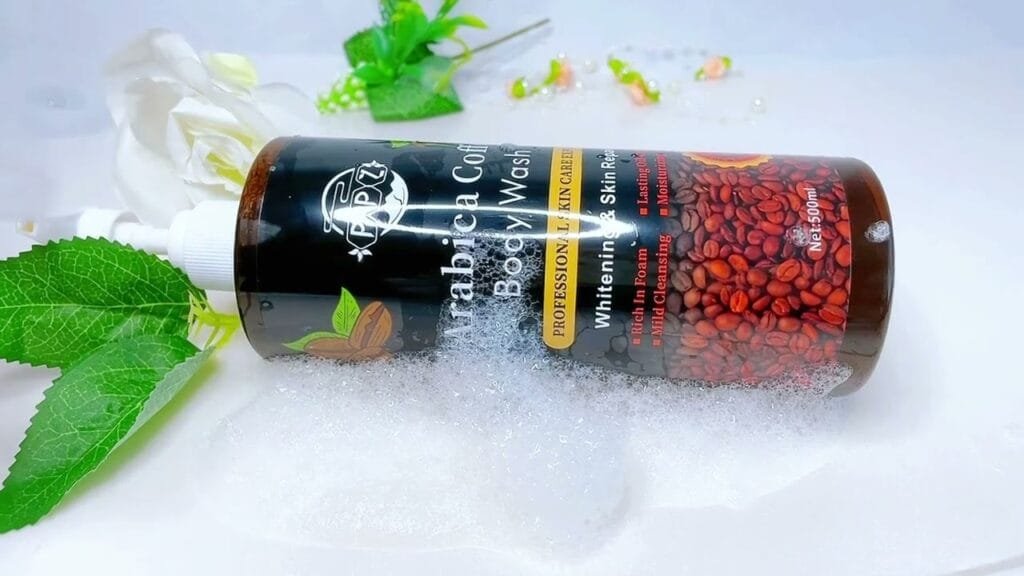
Shower gel is a liquid cleanser for washing your body in the shower. It helps remove sweat, excess oil, and everyday dirt, then rinses away with water.
If you have seen a bottle next to shampoo and conditioner in a hotel, shower gel is generally the one meant for your skin. It serves much the same purpose as body wash, although the texture and formula can vary.
What Is Shower Gel Made Of?
Most shower gels contain water and cleansing ingredients called surfactants. These help lift oil and dirt from the skin so they can be rinsed away.
A formula may also contain ingredients that affect its texture, scent, and skin feel. For example, glycerin can help attract moisture, while thickeners give the product its gel-like consistency.
From a manufacturer’s perspective, the whole formula matters. Two products with the same featured ingredient can feel different because their cleansing systems, ingredient levels, and other components are not identical.
Shower Gel vs. Body Wash: What Is the Difference?
Shower gel and body wash are both liquid body cleansers. A product called a gel often has a clear or gel-like texture, while a body wash may look creamier. However, brands use the names differently, and the categories overlap.
A moisturizing body wash is often chosen for a softer feel after rinsing, but a shower gel can also contain moisturizing ingredients. The name alone does not tell you which product will suit your skin.
If your skin feels tight after washing, compare the full formula and try a cleanser designed for your skin needs. Our guide to what serum body wash is explains another type of body cleanser.
Shower Gel vs. Bar Soap
Both shower gel and bar soap can clean your body. The main difference you notice may be the format: one comes from a bottle or pump, while the other is solid.
Bars are not all the same. Some are traditional soaps, while others are cleansing bars made with different ingredients. Likewise, shower gels can vary in how they feel on the skin. Choose the product that cleans comfortably without leaving your skin irritated.
How to Use Shower Gel
- Wet your skin with warm water.
- Pour a small amount of gel into your hands or onto a clean washcloth.
- Massage it gently over your body, focusing on areas that need cleansing.
- Rinse thoroughly and pat your skin dry.
- Apply moisturizer afterward if your skin needs it.
If you have dry skin, avoid long showers with hot water. The American Academy of Dermatology recommends warm water, a gentle cleanser, and moisturizer after bathing.
How Do You Choose a Shower Gel for Your Skin?
For dry skin: Look for a gentle cleanser that leaves your skin comfortable after rinsing. A moisturizer applied afterward can help hydrate the skin.
For sensitive skin: A fragrance-free formula may be a useful starting point. Stop using any product that causes itching, redness, or discomfort.
For oily skin: Choose a formula that removes excess oil without leaving your skin feeling tight. More foam or a stronger scent does not necessarily mean better cleansing.
Can You Use Shower Gel on Your Hair or Face?
Shower gel is generally designed for the body. Unless the label says it is suitable for hair or face, a product made for those areas may give you a better result.
A hair-and-body product is designed for both uses, but an ordinary body cleanser may leave hair tangled or dry. If you are wondering about the opposite situation, read our guide to using shampoo as body wash.
What Should Brands Consider When Developing Shower Gel?
A shower gel and body wash may serve the same basic purpose, but brands can offer different experiences through texture, fragrance, packaging, and the way each formula rinses.
At Xiangxiang Daily, brands can explore our private label body wash range and discuss their preferred product feel, formula, and packaging with our team.