An oily scalp and dry hair can happen at the same time. Your roots may look greasy soon after washing, while the mid-lengths and ends feel rough or brittle.
The best approach is to care for each area differently. Cleanse your scalp as often as it needs, then apply conditioner mainly to the drier lengths. Adjust the products and wash schedule to suit your hair type.
Why Is My Scalp Oily but My Hair Dry?
Your scalp makes sebum, a natural oil that helps protect the skin and hair. Oil can collect near the roots while the ends remain dry, especially if your hair is long or curly.
The lengths may also feel dry because of heat styling, coloring, bleaching, friction, or frequent use of a cleanser that leaves them feeling rough. At the same time, sweat and hair products can make oily roots look even heavier.
This does not mean your whole head needs the same treatment. The scalp needs cleansing, while the ends may need extra conditioning.
How to Care for an Oily Scalp and Dry Hair
1. Wash your hair when your scalp needs it
There is no perfect time between washes for everyone. Fine or straight hair with an oily scalp may need frequent washing. Thick, curly, or coily hair may need a different schedule.
Pay attention to how your scalp feels. If your roots become greasy or uncomfortable quickly, you may need to wash more often. If your scalp feels tight or your lengths become rough, review your shampoo and routine.
The American Academy of Dermatology recommends adjusting washing to your hair type and how oily or dirty it becomes.
2. Apply shampoo mainly to your scalp
Wet your hair, then gently massage shampoo into your scalp. Focus on the roots rather than scrubbing the full length. Rinse thoroughly and let the water carry the shampoo through your hair.
This helps remove excess oil, product residue, and dead skin cells while reducing unnecessary friction on dry ends. Choose a shampoo that leaves your scalp clean without making it feel irritated or tight.
3. Condition the dry lengths
Use conditioner after shampooing. If you have fine or straight hair, start with the ends. If your hair is dry, curly, or thick, you may prefer to condition more of the length.
Apply the product where your hair needs it, while avoiding the roots if they become greasy easily. Follow the directions and rinse well.
Shampoo and conditioner have different jobs: one cleanses, while the other helps soften and detangle. You may need to try different amounts before finding the right balance.
4. Add a hair mask if needed
If regular conditioner does not give your ends enough slip or softness, try a rinse-out mask on the dry sections. Start with a small amount and follow the timing on the label.
If your hair feels heavy afterward, use less product or choose a lighter formula. Our guide to how to use a hair mask explains where it fits in a routine.
5. Use dry shampoo between washes, not instead of them
Dry shampoo can absorb some oil and make roots look fresher between washes. Apply a small amount where needed and follow the product directions.
It does not clean the scalp in the same way as shampoo and water. The American Academy of Dermatology recommends continuing regular washing to remove oil, residue, and buildup.
Can You Use Oil on Dry Hair If Your Scalp Is Oily?
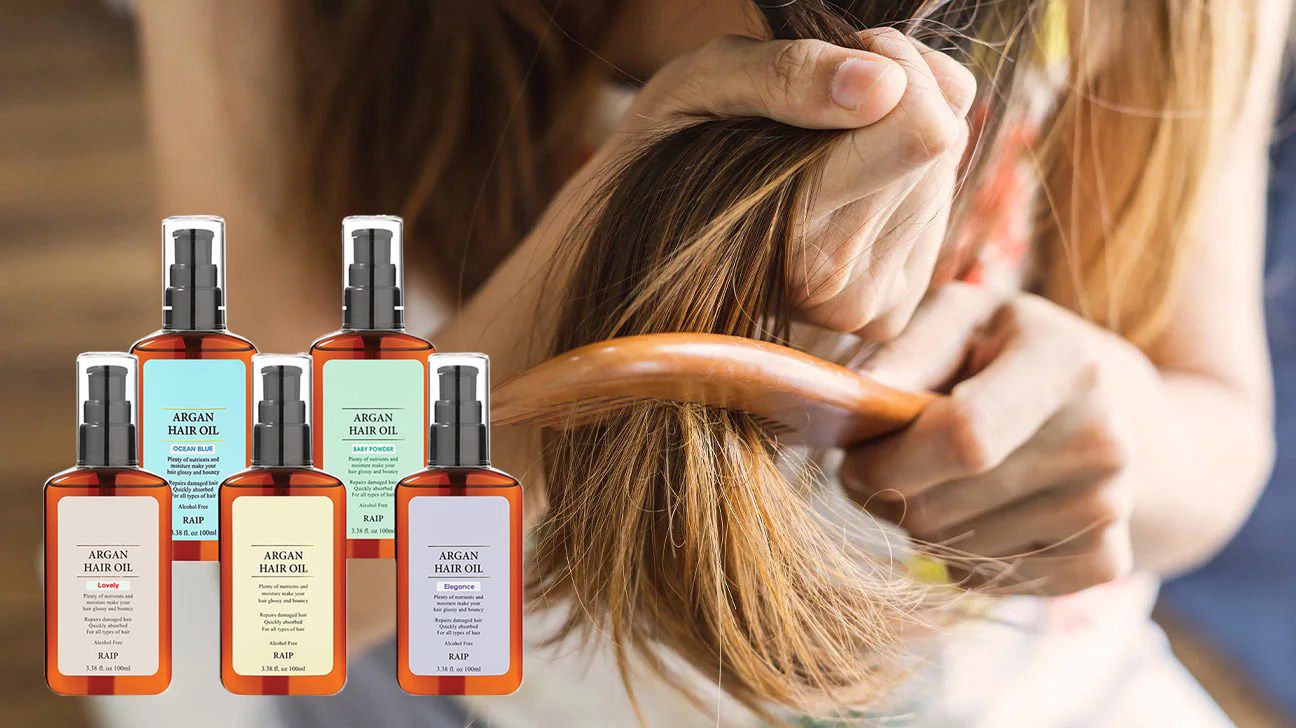
Yes. A small amount of hair oil may help dry ends feel smoother, but it is optional. Start with a little on the ends and add more only if needed. Keep it away from your scalp if your roots become greasy easily.
Argan, jojoba, and coconut oils are used in hair care products, but no single oil works best for everyone. Fine hair may feel weighed down by too much product. Coarser or curlier hair may need a different amount or formula.
Hair oil does not replace shampoo or conditioner, and there is not enough evidence to assume that applying it will control scalp oil production. Avoid applying essential oils directly to the scalp, as they can cause irritation.
What About Itching or Flakes?
Flakes can have different causes. Dandruff may occur alongside an oily scalp, but dryness, product irritation, and other conditions can also cause flaking.
A dandruff shampoo may help some people. Follow the label and adjust use to your hair type. If your lengths are dry, a conditioner applied away from the roots can help them feel more manageable.
Persistent itching, redness, thick or greasy scales, soreness, or unusual hair loss are reasons to speak with a dermatologist. Conditions such as seborrheic dermatitis may need a different treatment, and symptoms alone do not confirm the cause.
Common Questions
Does washing more often make an oily scalp produce more oil?
Washing removes oil from the surface, but it does not reliably change how much sebum your glands produce. Choose a schedule that keeps your scalp comfortable without making your hair feel overly dry.
Should I skip conditioner if I have oily hair?
Not necessarily. Apply it to the dry lengths and ends instead of the roots. If your hair feels flat, try a smaller amount or a lighter conditioner.
Can I fix split ends with oil?
Oil can make dry ends look smoother for a time, but it cannot permanently mend split ends. A trim removes the split portion. Gentle handling can help reduce further damage.
Conclusion
Oily roots and dry ends need different care. Wash your scalp when needed, condition the dry lengths, and add a mask or a little oil only if it helps. Make one change at a time so you can see what works for your hair.